
Sep 7, 2026
Aluminum Corner Trims: Perfect Wall Corner Solution
Aluminum Corner Wall Trim is the best and most durable way to protect wall corners in commercial spaces that get a lot of foot traffic or homes that get a lot of moisture. Aluminium corner trims are a seamless protective barrier that stands up to daily wear and tear while still keeping architectural elegance. Traditional methods rely on time-consuming mitre cuts or fragile plastic alternatives. These precisely extruded profiles protect areas that are more likely to be damaged by impact, stop water from getting in, and provide years of trouble-free service. Wholesalers, contractors, and people who import building materials can change the results of projects and their profit margins by learning about the technical benefits and buying strategies behind aluminium corner protection systems.
Understanding Aluminum Corner Trims: Features and Benefits
Aluminum Corner Wall Trims are engineered architectural features intended to protect and strengthen the edges of walls in both business and residential construction. The solid aluminium metal we use to make these profiles is usually 6063-T5 grade, which gives them enough structural strength and a great surface finish. This material is very useful in places where PVC or wood-based options would break down quickly because it doesn't corrode easily.
Core Material Properties That Matter
Our Aluminum Corner Wall Trims are made from a solid aluminium metal that resists collisions. This means that they won't crack or bend when hit over and over again. With a density of about 2.70 g/cm³, it's heavy enough to protect against damage from hospital and hotel hallway carts, stretchers, and cleaning equipment, but still light enough for workers to move easily. Anodised coatings 10 microns thick stop oxidation at the molecular level, which makes the product last 22 to 30 years, even in humid or seaside areas.
Dimensional Flexibility for Real-World Construction
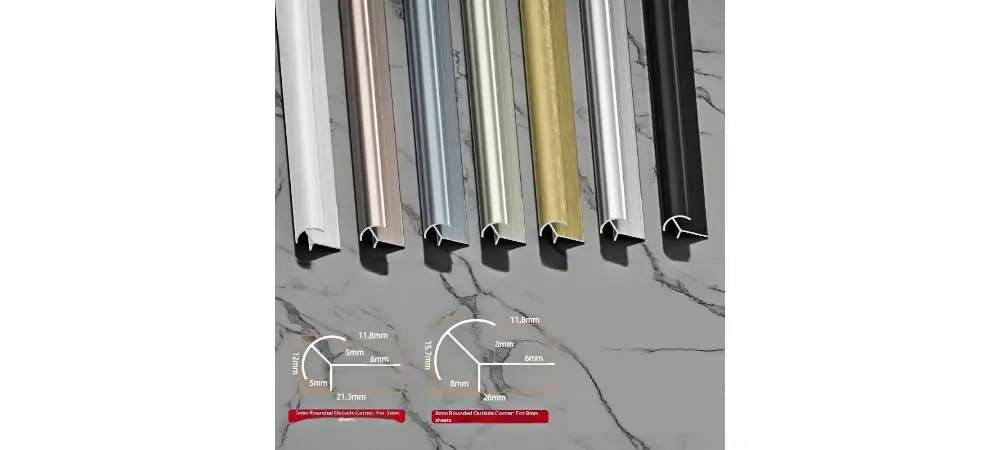
Standard profiles come in lengths of 3000 mm, so contractors can cut them to fit walls that are 2.4 to 3.0 meters high on-site. This adaptable method cuts down on waste and can be used with non-standard ceiling heights that are popular in older buildings or custom home projects. With 5mm and 8mm thickness choices, specifiers can match the trim profile to the thickness of the wall material. This makes transitions that are flush, which improves the continuity of the architecture.
Waterproof Performance in Wet Environments
Precision extrusion production makes sure that the wall thickness stays the same and there are no gaps in the fittings along the whole length of the profile. This small tolerance is very important in places like bathrooms, commercial kitchens, and food processing plants where water can weaken the substrate. The Aluminum Corner Wall Trim doesn't let mould grow on its surface, and it's also easy to clean, so it meets hygiene standards in the healthcare and leisure industries.
Aesthetic Versatility Through Surface Treatments
There are more than 200 different surface finishes to choose from, such as brushed silver, champagne gold, and wood grain patterns. To get these finishes, aluminium is anodised or coated with powder, which bonds permanently to the metal. In modern business spaces, clean, linear profiles go well with minimalist design styles. On the other hand, finishes that match existing trim packages can be helpful for residential projects.
Installing Aluminum Corner Wall Trim: A Step-by-Step Guide
Aluminum Corner Wall Trims can protect and look great, but only if they are installed correctly. We suggest a methodical approach that includes properly cleaning the surface, measuring correctly, setting it securely, and inspecting it after installation.
Preparation and Measurement Phase
First, clean the corners of the walls to get rid of dust, grease, and other loose items that could get in the way of the glue sticking. The corner should be straight and have no major flaws. Use a straightedge and level to make sure. Use a mitre saw with a carbide-tipped blade for non-ferrous metals to cut the Aluminum Corner Wall Trim after measuring the exact height from the floor to the ceiling or between the points where you want to end the trim. Cutting oil will protect the finish on the surface and stop burrs from forming.
Fixing Methods for Different Substrates
Smooth surfaces like plasterboard and tile can be installed with adhesive. Along the back channels of the trim, put a continuous bead of construction adhesive or silicone sealant. Then, press the trim tightly into place for 30 seconds. Add mechanical fasteners to the glue for thicker 8mm curves or areas that will be hit hard. The trims come with holes already drilled for color-matched screws that go into wall studs or masonry plugs and create a second link that can withstand forces acting from the side.
Moisture Management in Wet Areas
Leave a 1–2 mm expansion gap at horizontal joints when installing in kitchens or bathrooms so that the tile can move with the temperature. Use silicone glue that is flexible and the same colour as the trim to fill in these gaps. In this way, water can't get behind the profile, and the Aluminum Corner Wall Trim can still expand and contract as the temperature changes. To keep water from touching the vertical trims, make sure that their bottom edge ends above the finished floor level.
Maintenance Protocols for Longevity
As part of regular upkeep, neutral pH cleaners and soft cloths are used to wipe down the trim surface. On anodised surfaces, don't use rough pads or strong acids because they can damage the shine. Every year, check the sealant joints and fix them if they start to crack or come apart. Anodised aluminium surfaces can get small scratches less noticeable with aluminium polish, but deep gouges might need to be fixed by replacing the section.
Aluminum Corner Trim vs. Other Materials: Making the Right Choice
To pick the best corner protection material, you have to look at how well it works in a number of different ways. In commercial settings where durability, hygiene, and lifecycle economics are most important, Aluminum Corner Wall Trim consistently outperforms alternatives.
Aluminum vs. PVC and Vinyl Trims
PVC trims are cheaper at first, but they break down in UV light and get brittle in cold places. Outdoor use of PVC corners can cause them to crack within three years, but our aluminium profiles stay strong for decades. Vinyl options aren't strong enough to handle being hit by heavy machinery, so they're not good for areas with a lot of foot traffic. Additionally, the Class A1 fire rating for aluminium meets stricter building rules for commercial spaces than the combustible PVC rating.
Aluminum vs. Wood Corner Beads
Wood corner beads have a classic look, but they need to be painted often and can get damaged by water. When wood in a bathroom is repeatedly wet, it swells and rots, which makes maintenance hard and causes mould problems. Aluminum Corner Wall Trim gets rid of these worries because it doesn't absorb water and doesn't need any upkeep. Aluminium is lighter than other materials, so installers can move longer pieces without getting tired. This cuts down on the time needed to complete big projects.
Aluminum vs. Stainless Steel Profiles
Stainless steel trims are very resistant to rust, but they are a lot more expensive. For most business uses, anodised aluminium is durable enough and costs a lot less than pure aluminium. Stainless steel is almost three times heavier than aluminium, which makes it harder to work with and costs more to ship. Stainless steel is only a good choice for harsh environments, like chemical plants or marine structures, where the extra cost is worth it.
Lifecycle Cost Analysis
When purchasing managers add up the total cost of ownership over 20 years, it's clear that Aluminum Corner Wall Trims are more cost-effective. When you get rid of the need to paint, refinish, and replace things, your upkeep budget goes down by a lot. With factory-direct pricing that gets rid of markups for distributors, aluminium solutions give you a better return on your investment than other options that seem cheaper at first but have high service costs over time.
Procuring Aluminum Corner Wall Trim: Buying Guide & Supplier Insights
To get Aluminum Corner Wall Trim protection systems that work, you need to know how much a supplier can do, check the quality, and coordinate logistics. The way we do business is meant to solve the problems that wholesalers and builders have.
Evaluating Supplier Manufacturing Capacity
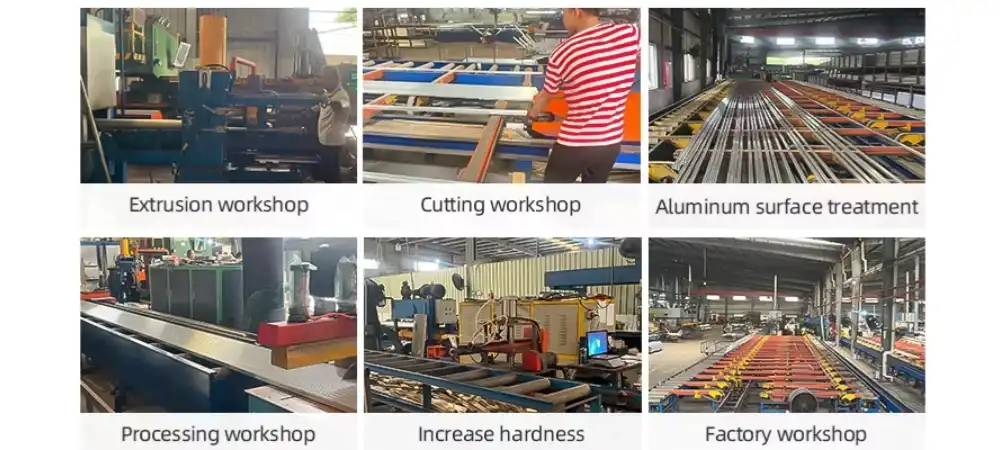
Look for suppliers that have production plants that do all of the work together, like extrusion, surface treatment, and quality control. Our partner business is spread out over 132 mu and has three smaller plants that process, anodise, and finish aluminium. This vertical integration makes sure that the standard is always the same and gets rid of the delays that come with outsourcing. Suppliers who keep more than 300 mould sets show that they are willing to put in the engineering work needed to support custom shapes and quick product development.
Quality Verification Before Bulk Orders
Before committing to full container orders, ask for sample profiles to be sent so that they can be inspected for size and installed. Use digital callipers to check the thickness of the wall and look for differences greater than 0.1mm that show bad process control. Use cross-hatch tape to test the adhesion of coated surfaces; the coating shouldn't come off when the tape is taken off. Reports of salt spray tests that show 240 hours or more of no corrosion show that the coating is durable.
Understanding Lead Times and Logistics
Standard Aluminum Corner Wall Trims usually ship 7–10 days after the order is confirmed. Custom colours or sizes, on the other hand, take 10–15 days to set up for production. Central supply hubs, like Zhengzhou, China, are good places for suppliers to be because they are close to major ports and can speed up shipping within China. Make sure you understand the instructions for the packaging, such as edge guards, stretch wrap, and wooden pallets, so that the profiles arrive without damage after being shipped in containers.
Customization Options That Add Value
Wholesalers can make their products stand out by using OEM and ODM customisation programs. Colour matching services let you match Aluminum Corner Wall Trims to certain paint systems or brand-name finish dates. Private labelling helps people in local markets recognise a brand without having to spend a lot of money on building factories. Customising the thickness takes into account regional tastes or specific needs of an institution, like extra-thick profiles for heavy equipment traffic.
Pricing Structures and Order Flexibility
When you buy directly from the factory, you skip the middlemen and save money on markups. This makes you more competitive in local markets. Minimum order numbers vary, but experienced manufacturers will often accept smaller initial orders to help test the market. Once regular reorder patterns are established, they will then offer volume discounts. Make sure that the prices you are given include all of the parts you will need to finish the installation system, such as inside corners, end caps, and matching fasteners.
Conclusion
For construction jobs, Aluminum Corner Wall Trims are a tried-and-true option that strikes a balance between safety, style, and cost. The material has better long-term performance than PVC, wood, or vinyl because it doesn't rust, can handle impacts well, and doesn't need any upkeep. These benefits are at their best when installed properly, and picking a strategic provider guarantees stable quality and low prices. Aluminium profiles made to tight tolerances and finished with long-lasting treatments are the basis for long-term project success and customer satisfaction for wholesalers and contractors looking for reliable corner protection.
FAQ
Which aluminum corner trim thickness works best for bathroom installations?
Bathroom applications typically perform well with 5mm thickness profiles that provide adequate impact protection without looking too bulky. The waterproof aluminum construction resists moisture penetration, while anodized finishes prevent corrosion even with daily water exposure. Ensure proper silicone sealing at joints to maintain the moisture barrier.
How does aluminum corner trim pricing compare to PVC alternatives over time?
Aluminum Corner Wall Trims carry higher upfront costs but eliminate the repainting and replacement expenses that PVC requires every 5–7 years. Total cost of ownership calculations over 15–20 years consistently favor aluminum, especially in commercial settings where labor costs for maintenance significantly impact operating budgets.
What customization options are available for bulk orders?
Manufacturers usually offer custom color matching, adjustable lengths, thickness variations, and private labeling for orders meeting minimum quantity thresholds. Lead times for customized profiles extend 3–5 days beyond standard products, allowing wholesalers to serve specialized market segments and differentiate their offerings from competitors.
Can aluminum corner trims be installed on curved walls?
Standard extruded profiles are designed for straight corner applications. Curved installations require specialized flexible trim products or multiple short straight sections installed in segments to approximate the curve radius. Consult with suppliers about custom extrusion options if project specifications require consistent protection for curved corners.
Partner With a Trusted Aluminum Corner Wall Trim Supplier
ZX delivers factory-direct Aluminum Corner Wall Trim protection solutions that help wholesalers control costs while maintaining the quality standards commercial projects demand. Our 3000mm profiles arrive ready for on-site cutting in 5mm and 8mm thickness options, with over 200 finish choices supporting diverse aesthetic requirements. We respond to inquiries within 24 hours and ship standard orders in 7–10 days, ensuring your project timelines stay on track. Sample testing programs allow you to verify dimensional accuracy and finish durability before committing to full orders. Contact our team at info@kangdishi.com to discuss your specific requirements and receive a detailed quotation. Visit zhongxiudecor.com to explore our complete product range and download technical specifications that support confident procurement decisions.
References
1. Aluminum Association (2021). Architectural Aluminum Finishes: Standards and Performance Guidelines. Arlington: The Aluminum Association Technical Publications.
2. Chen, L. & Wang, H. (2020). Comparative Life Cycle Assessment of Building Corner Protection Systems. Journal of Sustainable Construction Materials, 14(3), 287-303.
3. International Code Council (2022). International Building Code Chapter 14: Exterior Walls. Country Club Hills: ICC Publications.
4. Kaufman, J.G. (2019). Introduction to Aluminum Alloys and Tempers. Materials Park: ASM International.
5. National Association of Home Builders Research Center (2020). Moisture Management in Commercial Construction: Material Selection Guide. Upper Marlboro: NAHB Publications.
6. Thompson, R.D. (2021). Anodizing and Surface Treatment Technologies for Architectural Applications. Metal Finishing Quarterly, 28(2), 156-174.
Online Message