
Sep 3, 2026
Aluminum Moulding & Trim: The Secret to a Perfect Finish
The secret to achieving flawless architectural finishes lies in selecting the right trim solution. Aluminum Decorative Mouldings have emerged as the industry standard, offering unmatched durability, design flexibility, and installation efficiency. These engineered profiles transform ordinary spaces into polished environments while addressing common finishing challenges such as corner gaps, moisture damage, and inconsistent edge quality. For procurement managers and wholesalers, understanding how aluminum trim delivers both aesthetic excellence and operational efficiency is essential to staying competitive in today's building materials market.
Understanding Aluminum Decorative Mouldings: Benefits and Applications
Aluminum Decorative Mouldings are a big step forward from the old ways of finishing things. When you look at your options side by side, the engineering benefits become clear right away. When wood moldings are wet, they warp and rot. PVC alternatives break when temperatures change. Fiberglass goods need a lot of work done to the surface. Aluminum Decorative Mouldings get rid of these headaches completely.
Material Superiority in Real-World Conditions
Today's Aluminum Decorative Mouldings are made from the 6063-T5 metal, which has a tensile strength of over 160 MPa while still being light and easy to handle. The profiles weigh about one-third less than stainless steel versions of the same thing, which cuts down on the work needed to place them and the load that the structure needs to hold. This strength-to-weight advantage is very important when furnishing commercial buildings with multiple floors or large residential developments.
Aluminum Decorative Mouldings that have been properly treated are more resistant to corrosion than most other materials. Anodized surfaces with a film thickness of 10 µm or more are very good at protecting things in damp places, along the coast, and in places where cleaning chemicals are used. This means that the finish should last 12 to 16 years without needing to be refinished, which is an important factor when figuring out the total cost of ownership for big jobs.
Practical Applications Across Market Segments
Aluminum Decorative Mouldings can be used in a variety of fitting situations. In high-end hotel settings, shadow line profiles make wall changes look clean and keep corners from being hit by luggage carts. The recessed design keeps the sightlines clear, which goes well with modern interior design. Specialized tile edge configurations that keep moisture out of substrate materials are useful in kitchens and bathrooms. With these designs, you don't have to use weak mitered tile corners that break when they are hit or heated up.
Installing floors in large businesses can be tricky for a number of reasons. Heavy-duty metal transition strips allow for structural movement and thermal expansion across large areas of granite or porcelain tile. When rolling loads and heavy foot traffic, like in stores, hit the surface, the profiles keep it from cracking. Manufacturers of cabinets and frames like the physical stability that keeps the lines straight even when the temperature and humidity change.
Aluminum Decorative Mouldings vs. Alternative Materials: A Comparative Guide
Before making a purchase choice, it's important to know how different materials work in a number of important areas. Lifecycle cost analysis shows benefits that go far beyond the reasons for buying something in the first place.
Economic Performance Over Time
At first glance, wood trim may seem like a good deal, but it needs to be painted, sealed, and eventually replaced because of damage from water or bugs. PVC profiles don't get damaged by water, but they do break down over time, especially in cold places where the temperature drops and the profiles crack. When composite materials are exposed to direct sunshine or high humidity for a long time, they often delaminate.
Aluminum Decorative Mouldings stay true to their measurements and surfaces for the whole time they are used. Long-term facility management costs are cut by a large amount because there is no need for painting, sealing, or protective coatings. In business settings, where fixes cause processes to stop and money to be lost, this stability is especially useful.
Environmental Resistance and Sustainability
Extreme temperatures test how strong a material is. Wood swells and shrinks, leaving gaps and warping. PVC gets stiff when it's cold and soft when it's hot. Aluminum Decorative Mouldings work the same way in temperatures ranging from -40°C to +80°C, so they can be used in both warm indoor places and outdoor areas that are open to the weather.
Aluminum Decorative Mouldings can be recycled, which fits with the trend of building methods becoming more eco-friendly. The material can be recycled over and over again without losing any of its quality. This helps meet LEED certification requirements and lowers the environmental impact of projects. Low VOC emissions come from manufacturing processes compared to PVC or composite production methods that release volatile compounds while making things.
How to Choose and Install Aluminum Decorative Mouldings: A B2B Guide
To be successful at sourcing, you need to judge sellers based on certain performance factors. Product certifications give you a basic level of peace of mind. Check for CE and ROHS compliance, which shows that the product meets safety standards and cares for the environment. Having ISO 9001:2015 approval means that quality management is used systematically throughout the whole production process.
Procurement Criteria That Matter
The ability to manufacture has a direct effect on the success of a project. Suppliers with large mold inventories (300 or more dedicated profiles) can customize items more quickly and without having to wait for tooling delays. This ability is important when you're trying to serve a wide range of customers or meet specific design needs. More than 200 finish options can be color-matched, so the design can be perfectly aligned with wood grain textures, marble patterns, brushed metal effects, and solid colors.
Cross-section sizes from 20 mm to 100 mm and flexible configurations can meet a wide range of application needs. Standard lengths of 2.4m to 4m cut down on trash by making cutting plans more efficient. When suppliers offer mixed batch orders with acceptable minimum amounts, it gives wholesalers more inventory freedom, which is especially helpful when they have to meet the needs of multiple customers at the same time.
Installation Best Practices
Best results are guarantyd when the surface is properly prepared. Substrates that are clean and free of dust, oil, and other loose materials make good fixing surfaces. When it comes to substrate type and load requirements, Aluminum Decorative Mouldings can be attached in a number of ways, such as with adhesives, mechanical fasteners, or snap-fit configurations.
When carbide-tipped blades with high tooth counts are used to cut Aluminum Decorative Mouldings, they produce very little dust. This lack of dust is very different from wood or composite materials, which need a lot of cleaning up and control. The clean cutting process speeds up installation times and keeps the work site cleaner, which is very helpful for repairs that are happening while people are still there or in places where cleaning is very important.
Care must be taken with corner treatment. Prefabricated internal and external corner pieces give the corners a professional look without the problems that come with putting them together in the field. When corner pieces aren't available, precise miter cutting makes parts that look like they're one piece. Because Aluminum Decorative Mouldings don't change size over time, the joints stay tight and don't open up like gaps do in wood assemblies.
Top Aluminum Decorative Moulding Designs and Industry Trends
Modern types of architecture like clean lines and changes that are hard to see. Shadow line curves make small visible breaks between ceilings and walls without adding the bulk of crown molding. The deep designs go well with simple styles and keep the protective function at edges that are more likely to get damaged. The simple look works well in modern business settings where visual simplicity helps build brand environments.
Metallic finishes are becoming more and more popular in high-end installs. Effects like brushed metal, satin chrome, and anodized bronze give things a classy look that goes with hardware and lighting. Wood grain textures add a traditional warmth while keeping Aluminum Decorative Mouldings' technical benefits. This is a great mix for commercial and domestic settings where both performance and natural warmth are important.
Product development is affected by sustainability issues. The market wants responsible sources, so companies are switching to eco-friendly production methods and trying to get green certificates. Powder coating technologies with a thickness of 60–80 εm offer long-lasting finishes that meet AAMA 2604 standards while getting rid of the liquid fumes that come with traditional painting methods. Aluminum Decorative Mouldings that are classified as Class A1 non-combustible meet fire safety standards in high-rise buildings and public gathering areas.
The evolution of the supply chain is still changing how procurement works. Putting factories in strategic sites near logistics hubs saves money on shipping and speeds up delivery times. With factory-direct sourcing models, you don't have to pay markups to a distributor, and you can get technical support and make changes right away. Digital tools for communication make it easier to ask for quotes, get samples, and keep track of orders in foreign business.
Procuring Aluminum Decorative Mouldings: Trusted Suppliers & Purchasing Tips
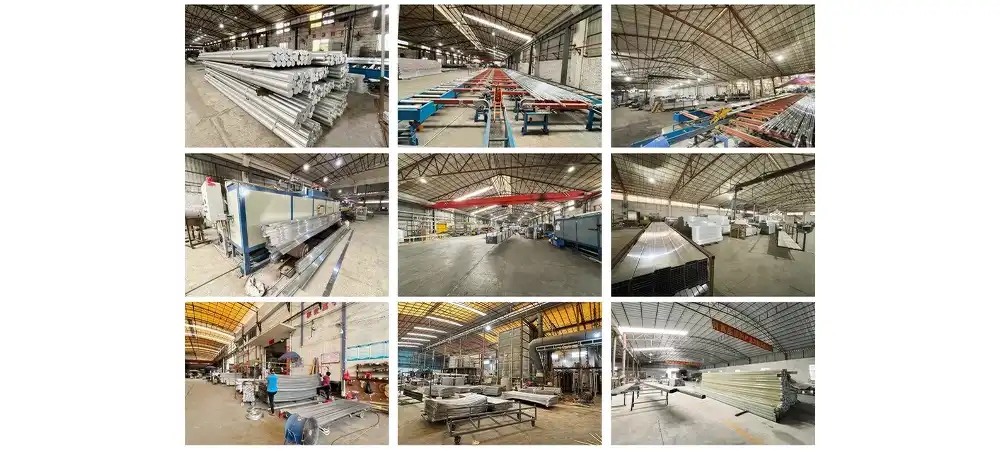
Manufacturing credentials are the first thing that suppliers are looked at. Check the size of the production and its history of running. Companies that have been around for a while and have multiple sites spread out over a lot of land show that they can handle large orders and keep supplies steady even when the market changes. Partnership models with dedicated production facilities give customers first access and give you more customization options than trading middlemen do.
Quality assurance procedures show how committed a seller is to making great products. In-process monitoring and pre-shipment verification are both part of dual inspection systems that find flaws before they affect customers. Corrosion resistance claims are backed up by salt spray testing that follows ASTM B117 guidelines. Coating adhesion testing using ISO 2409 cross-cut methods proves that the surface treatment will last. Batch-to-batch color consistency is important for phased projects or repeat orders, and Delta E colorimeter verification makes sure of it.
As important as product quality is the system for customer service. Suppliers who answer questions 24 hours a day help keep projects moving forward without frustrating delays. Technical help with installation instructions and amount estimates keeps bidders from making mistakes that cost a lot of money. Export documentation knowledge makes foreign deals easier by making sure that the right customs paperwork, fumigation certification, and logistics planning are done.
Having samples available speeds up the decision-making process. Progressive suppliers offer sample programs that are easy on the wallet and let you try the product before you commit. Specification choices are less risky when Aluminum Decorative Mouldings can be tested in real-life site settings to check fit, finish, and installation characteristics. This chance to try things out is especially helpful when moving from familiar materials to new ones.
Procurement strategy is affected by factors like bulk buying. Volume pricing systems keep prices reasonable while rewarding bigger commitments. Flexible minimum order amounts allow inventory managers to choose the best way to handle deals for large orders and capital that is tied to stock. Custom manufacturing options, such as private labeling, help resellers build their own brands by letting them create their own product lines.
Logistics skills have a direct effect on how well deliveries go. Suppliers who are close to transportation hubs can ship items faster and with more carriers. Items in stock usually arrive within 7 to 10 days, which allows for quick restocking. International supply chains are safer when they can arrange filling containers, keeping records, and keeping track of them.
Conclusion
Aluminum Decorative Mouldings and trim solutions give the perfect finish thanks to their high-quality materials, ease of installation, and long-lasting performance. The engineering benefits over traditional materials—stable dimensions, resistance to corrosion, and operation that doesn't need any maintenance—lead directly to lower total ownership costs and better project results. Procurement pros can meet the needs of a wide range of projects while staying ahead of the competition in their markets by carefully choosing suppliers based on their manufacturing capabilities, quality control, and support infrastructure.
FAQ
What advantages do aluminum profiles offer compared to wood trim?
Aluminum Decorative Mouldings don't warp, rot, or get damaged by insects like wood does when it gets wet. The dimensional stability keeps the lines straight even when the humidity and temperature change, so there are no gaps in the growth during the different seasons. No painting, sealing, or refinishing is needed during the 12–16 year service life, so there is no need for maintenance. With dust-free cutting, installation goes faster because there is no need for messy cleaning and surface preparation work.
Can aluminum moulding withstand outdoor or coastal applications?
Marine-grade finishing with 20–25 εm anodized layers or PVDF coats work very well in places with a lot of salt and UV light. The standard anodizing process protects most interior and covered exterior uses well. Choosing the right finish for the environment will make it last as long as possible.
How do you achieve professional corner joints?
Prefabricated 90-degree internal and external corner pieces remove the need for fabrication on-site and ensure a uniform look. Precision miter cutting with carbide blades that have a lot of teeth makes joints that don't show when corner pieces aren't needed. Because Aluminum Decorative Mouldings are so accurate in its measurements, it keeps parts tight and doesn't let gaps form over time.
Are custom colors available for specific design requirements?
There are more than 200 finish libraries with options like solid colors, wood grains, marble patterns, and brushed metals. Unique design goals can be met by custom color matching against RAL codes or specific samples. Powder coating and anodizing produce long-lasting finishes with color consistency that is the same from batch to batch, as shown by colorimeter tests.
Contact ZX for Premium Aluminum Decorative Mouldings
With more than 300 profile designs and more than 200 finish options, Zhengzhou Zhongxiu Building Materials Co., Ltd. is ready to assist you with your Aluminum Decorative Mouldings procurement needs. Our strategic manufacturing relationship makes CE and ROHS-certified goods that last 12 to 16 years and are backed by thorough quality testing. Whether you need ready-to-ship stock or custom OEM production for named product lines, our team can help you from the design stage all the way thru delivery. To discuss your needs and receive detailed quotes within 24 hours, go to zhongxiudecor.com or email our Aluminum Decorative Mouldings supplier team at info@kangdishi.com.
References
1. American Architectural Manufacturers Association. (2018). AAMA 2604: Voluntary Specification, Performance Requirements and Test Procedures for High Performance Organic Coatings on Aluminum Extrusions and Panels.
2. ASTM International. (2019). ASTM B117-19: Standard Practice for Operating Salt Spray (Fog) Apparatus. West Conshohocken, PA: ASTM International.
3. International Organization for Standardization. (2016). ISO 2409:2013: Paints and Varnishes – Cross-cut Test. Geneva: ISO.
4. Aluminum Association. (2020). The Environmental Footprint of Semi-Finished Aluminum Products in North America. Arlington, VA: The Aluminum Association.
5. Green Building Council. (2021). LEED v4.1 Building Design and Construction Guide. Washington, DC: U.S. Green Building Council.
6. National Fire Protection Association. (2018). NFPA 101: Life Safety Code – Classification of Building Materials. Quincy, MA: NFPA.
Online Message