
Nov 4, 2026
Are High-Density Impact Panels Waterproof?
A high-density impact panel is very resistant to spills, moisture, and repeated washings. I wouldn’t claim any panel is indeed 100% waterproof without product-specific test results. The ZX high-density impact panel employs bamboo charcoal powder and high-molecular polymer. The product data reveals that there is no absorption of water, no swelling, and no blackening. However, water may still get in via unsealed edges, joints, cut-outs, and points of fasteners; thus, the installation is just as vital as the core itself. Below I describe the phrases, the tests to ask for, the comparison of the panel with other materials, and how to pick it for schools and hospital projects.
What Is a High-Density Impact Panel?
Bamboo Charcoal Core and Glue-Free Pressing
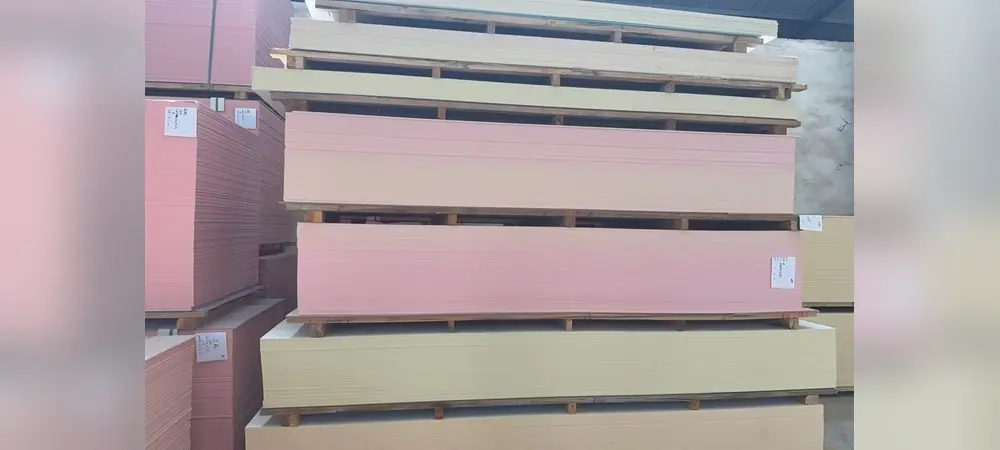
It’s a high-density impact panel wall safety board that’s meant to take the scrapes and cleaning of everyday life. ZX version is made by hot pressing a high-molecular polymer and bamboo charcoal powder without glue; thus, there is no formaldehyde or adhesive line that may break over time. This core also traps smells and TVOC and is thus perfect for schools and hospitals, where the polymer bonding creates a scratch-resistant surface.
Sizes, Thickness, and Density Options
The sheets are available in 2.44m x 1.22m sizes, and bespoke lengths up to 3m are available on request. The thickness varies between 5 and 9 mm, while the density values are between 6 and 9. The anti-impact ratings (7.5 to 9.0) are about as strong as solid wood. Finishes are available in soft-touch, high-gloss, wood grain, or marble grain, enabling organizations to match density to certain halls or wards without paying too much.
Where Buyers Use It
This board is often chosen by buyers for kindergartens, school corridors, and hospital rooms for the elderly. These heavy traffic areas need materials that can take the abuse of carts and chairs, not materials such as gypsum or clay tiles that chip and break. This also helps to decrease patching of the easy-clean surface. Wood grain and marble finishes are popular in hotels and restaurants because of their longevity and looks.

Waterproof, Water-Resistant, or Moisture-Proof: What Each Term Means
Three Terms, Three Different Promises
Waterproofing stops water from getting in when submerged or under pressure. Water-resistant materials can deal with splashes. Moisture-proof items will not expand or grow mold in damp air. Because of the frequent confusion about these phrases, ZX describes its high-density impact panel as mold- and moisture-proof with zero absorption. But this is a wall covering, not a membrane. A full system needs a good foundation, membranes, and drainage.
Where Water Still Gets In
The panel front can be waterproof, but the wall behind is not. Water usually penetrates at unsealed cut edges, joints, screw points, and outlet cutouts. The first approach to keep mold out is moisture management (EPA, 2008). Installers will have to seal all edges and repair any leaks or dampness before commencing the installation.
Splash, Humidity, Washdown, and Immersion
The sort of touch determines the performance. Low absorption means you can deal with mopping splashes or humidity, but sealed joints and suitable solutions are needed for everyday cleaning. Standing water or deep immersion (the worst) should not be addressed without sufficient foundation details and drainage. Indicate exposure level for each wall to verify that the specification is appropriate to the location.

How to Verify Moisture Resistance and Compare Wall Materials
Test Data and Samples to Request
When analyzing a high-density impact panel, facts, not puffery, should be used. Request test methods, sizes, and exposure periods for water absorption and swelling. Before comparing findings, verify ASTM D570 (plastics) and ASTM D1037 (wood-based panels) as standard techniques. ZX delivers E0 environmental reports, CE/RoHS documentation, and samples for cleaning or scratching tests.
Fire, Impact, and Emission Documents
Public initiatives need the right documentation, not just basic performance. The panels fulfill Class B1 fire retardance; however, US purchasers may optionally request ASTM E84 (2023) findings. The impact resistance claims need to be validated per ISO 7892 (1988) methods. CDC recommendations on water damage and mold in hospitals are a good reference, since moisture logs are important in healthcare.
How the Panel Compares With Other Materials
MDF swells up with water if untreated, whereas plywood depends on the quality of its adhesive. The gypsum board surface is prone to denting, and fiber cement is generally too heavy or unflexible for interior shielding purposes. This layer, in contrast, is 5 mm to 9 mm thick, is water-repellent, and complies with B1 fire safety requirements. Lower lifecycle cost means less painting and fewer maintenance, more essential than the original unit price.
Selecting, Installing, and Buying for Commercial Projects
Match Density and Thickness to Exposure
Selection should be based on exposure, not on looks. High-density impact panels with anti-impact ratings (7.5 to 9.0) are needed for school and hospital corridors. Residential rooms are well suited to densities of 6 to 7. For high-traffic walls, 8 mm or 9 mm sheets give the required rigidity, whilst 5 mm is enough for less demanding applications. Always check local fire and emission laws while bidding.
Installation Steps for Moisture-Exposed Areas
A good board will not stick to a moist wall. Repair any leaks and ensure the substrate is clean and level before attaching by gluing or screwing as per the manufacturer’s instructions. Seal the sides, corners, and outlets with matching trim. In damp areas, the detailing is more crucial than the panel face, hence ZX provides ornamental I-trims, edge trims, and skirting boards to disguise rough edges.
Batch Consistency, Lead Time, and Export Documents
“When buying projects, matching colors and meeting deadlines are a top priority. Production runs are tested for density, and their surfaces are checked for uniformity of grain and feel of wood. Our partner factory verifies 5% of each batch, six times, before they ship. Delivery takes roughly 15 to 20 days. All customs, booking, fumigation, and sea freight with protective packaging are done by our logistics professionals. Get packing lists and proof of origin early.
Applications and Common Buying Mistakes
Hospitals, Schools, and Care Homes
Medical institutions may use a high-density impact panel to protect against wheelchairs and enable regular cleaning, without formaldehyde emissions. Schools utilize them for lockers and heavy foot traffic and generally choose colorful finishes in children's settings. They guard walls from walkers in care homes. Always verify disinfectant compatibility and local health regulations before adopting a finish.
Mistakes That Cause Rejected Materials
When looking for protective cladding, the following three mistakes are often made:
- Treating "waterproof" as a complete spec. A simple label does not tell you the test technique used or the joint form used. Confirm the test report and exposure time with bid criteria for each batch.
- Disregarding edges and joins. Water failures usually begin at cut edges and holes rather than on the panel face. Design for trims and sealants throughout the design process and train installers.
- Choosing on the basis of lowest unit cost only. Fading or swelling boards cause refunds and penalties. Look at the whole cost of ownership, including maintenance and time for installation.
- Final Checklist Before Approval
- Before you sign off, say whether each wall will be dry, humid, or splash-prone. Then describe the cleaning needs, fire resistance, impact resistance, and water absorption. Check the seal and substrate specifications. Finally, before you approve the transaction, make sure that the supplier has particular test results, special export packing and a precise lead time.
Conclusion
The phrase waterproof must be substantiated. A high-density impact panel deals with splashes and cleaning. But the performance depends on the core, joints and exposure intensity. Water absorption, swelling and fire tests provide a solid basis for a customer to accept a specification. These B1 fire-retardant panels are better suited to busy corridors than MDF or plywood, after the joints are detailed and the batch consistency validated.
FAQ
1. Is a high-density impact panel fully waterproof?
No panel prevents leaks alone. ZX products do not soak up water, but the overall performance of the wall depends on sealed sides, tight joints, and a safe base.
2. Can I use it in hospital cleaning areas?
Yes, it is suitable for hallways and rooms cleaned often, provided the disinfectants follow building health rules. Standing water areas require more detailed planning.
3. Which thickness should I choose?
Choose from 5 mm, 8 mm, or 9 mm. Busy areas work best with 7.5 to 9.0 density thick sheets. Let us know your risk level for a specific recommendation.
4. How do I request samples or a quotation?
Email info@kangdishi.com with the order size, thickness, finish, and destination. We respond within 24 hours to provide a specification and quote.
Request a ZX High-Density Impact Panel Sample and Project Quote
Tell ZX the project type, size, high-density impact panel, and schedule to receive a suitable specification. We provide samples and allow for custom lengths or colors. The team will reply within 24 hours. Start a technical discussion by emailing info@kangdishi.com before placing an order.
References
1. ASTM International, ASTM D570 Standard Test Method for Water Absorption of Plastics, 2018
2. ASTM International, ASTM D1037 Standard Test Methods for Evaluating Properties of Wood-Base Fiber and Particle Panel Materials, 2012
3. ASTM International, ASTM E84 Standard Test Method for Surface Burning Characteristics of Building Materials, 2023
4. U.S. Environmental Protection Agency, Mold Remediation in Schools and Commercial Buildings, 2008
5. International Organization for Standardization, ISO 7892 Vertical Building Elements: Impact Resistance Tests, Impact Bodies and General Test Procedures, 1988
6. Centers for Disease Control and Prevention, Guidelines for Environmental Infection Control in Health-Care Facilities, 2003
Online Message