
Oct 26, 2026
Can aluminum corner trim be used outdoors?
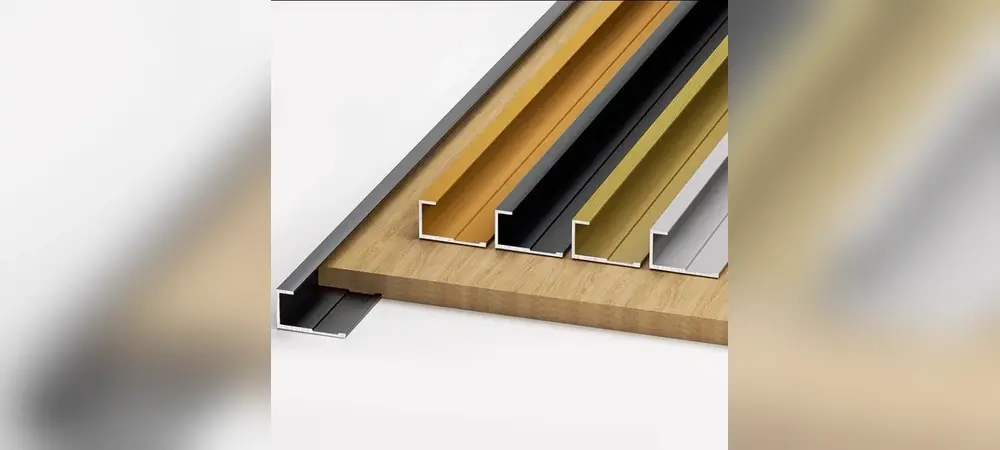
Aluminum corner wall trim is good for outdoors. Aluminum is inherently corrosion resistant and with an anodized or powder coated surface it is resistant to rain, UV and temperature changes for 22-30 years. Our solid aluminum alloy profiles are precision-extruded in 5mm and 8mm thicknesses to fit snugly against the margins of the wall, keeping moisture out. Aluminum corner protection is a reliable solution for external wall applications whether you are sourcing for a beach resort, a business façade, or a high-traffic public structure.
Understanding Aluminum Corner Trim for Outdoor Use
What Is Aluminum Corner Trim?
Aluminum corner trim is an architectural profile that is put on the edges and corners of walls that are visible. It keeps those edges safe from being hit, getting wet, and wearing down. When used outside, it also protects the wall base below from freeze-thaw cycles and rain driven by the wind. The product usually comes in standard lengths of 3000mm, which lets workers cut it on-site to fit any wall height.
Why Aluminum Performs Outdoors
Aluminum corner wall trim naturally forms an oxide layer that protects it from rusting in the air without any other treatment. When an anodized coating of ≥10μm is put on top, like we do with our profiles, that barrier gets a lot stronger. ASTM B117 testing standards say that properly anodized aluminum can withstand more than 240 hours of simulated coastal exposure without showing any signs of wear. That level of durability is hard to find in metals or plastics that haven't been treated.
Surface Finishes That Matter
Aluminum trim made for outside is usually finished in one of two ways: anodizing or powder painting. By bonding directly to the metal surface, anodizing makes a hard layer that is stable in UV light. It doesn't chalk or fade because the powder layer adds 60–80 microns of polymer protection. Our profiles come in matte black, silver, and champagne gold, and you can choose from more than 200 different styles to make them fit any outer color scheme.
Aluminum Corner Trim vs. Alternative Materials for Exterior Walls
The type of material you use directly affects how long your installation lasts and how often it needs to be maintained. This is a useful list that compares aluminum to the most popular options.
Aluminum vs. Steel
Steel corner bead has been used for a long time in outdoor plastering, but it rusts when the protected coating is scratched, which happens a lot during installation. Silver doesn't rust. It makes a passive oxide layer that stops corrosion from spreading even if it doesn't have a coating on the outside. Aluminum is the better long-term investment for places near the coast or with a lot of damp.
Aluminum vs. Vinyl and Plastic
Vinyl corner trim is cheap, but it breaks easily when exposed to UV light for a long time, and it can also warp in hot places. Vinyl just can't hold its shape on the outside of businesses where carts, equipment, and people walking around all day will hit the corners hard. Aluminum corner wall trim, which has a Vickers hardness of 60–95 HV and a mass of about 2.70 g/cm³, can take a lot of pressure without changing shape.
Aluminum vs. Wood
To stay outside, wood trim needs to be painted, sealed, and reapplied every so often. It can absorb water, rot, be damaged by insects, and grow bigger in the summer and smaller in the winter. Aluminum doesn't need any of that. If you finish an aluminum profile correctly, it will still look great in 20 years with just a little cleaning. This is a big plus for project owners who are figuring out the total cost of ownership over the project's lifetime.

How to Install Aluminum Corner Trim Outdoors: Best Practices
It is just as important to put the product correctly as it is to choose the right one. If it's not installed correctly, it will not last as long and will let water in, which will damage the wall behind it.
Surface Preparation
Clean the part of the wall well to get rid of dust, oil, and any loose stuff. A primer coat makes it easier for paint to stick to masonry or stucco on the outside and protects the base. Let the surface dry completely before you attach the trim. Over time, moisture trapped behind the profile can cause the glue to fail or change color.
Cutting and Fixing Methods
A carbide-tipped blade made for non-ferrous metals cuts through our 3000mm shapes neatly. When you're cutting, use a lubricant to keep the cut edge from getting burred. When fixing things outside, stainless steel screws work better than nails because they don't rust and keep their holding force through cycles of heat expansion. A neutral-cure silicone adhesive rated for exterior use gives a clean finish and allows for small substrate movement in places where screw holes are not wanted.
Ongoing Maintenance
Aluminum corner wall trim outside doesn't need much care. Once or twice a year, use a neutral pH cleaner and a soft cloth to wipe the surface clean. Do not use rough pads or acidic cleaners on the anodized surface. Over time, pH levels below 4 or above 9 can etch it. Every year, check the expansion joints and put silicone sealant back on them if any gaps have opened.
Procurement Considerations for Outdoor Aluminum Corner Trim
Finding outdoor-grade trim is more complicated than just looking for the cheapest price. The whole cost of a project is affected by things like quality, wait time, certifications, and help after the sale.
When purchasing managers look at metal corner trim suppliers, these are the main things they look at:
- Certification compliance: CE and RoHS certification confirms that the product meets European safety and environmental standards. Our profiles carry both, along with a Class B1 fire rating — a requirement on many public and commercial projects.
- Batch color consistency: For large exterior installations, color variation between shipments is a serious risk. Our factory runs computerized measurement checks on every batch and conducts salt spray tests to verify coating uniformity before shipment.
- Lead time reliability: Standard orders ship within 7–10 days from our Zhengzhou facility. Large-volume or custom orders complete within 10–15 days. That schedule fits most project timelines without requiring excessive safety stock.
- OEM and private label options: Importers and distributors building their own brand lines can work with us on custom dimensions, finishes, and packaging. With 300+ molds already in production, we accommodate new profile designs without long tooling delays.
All of these things lower the risk of buying and give purchasing managers peace of mind when they place large orders on foreign markets.
Conclusion
Aluminum corner trim is a good choice for use outside, as long as the aluminum corner wall trim profile has the right finish and all the necessary certifications. Our solid aluminum alloy profiles have a Class B1 fire rating, a service life of 22 to 30 years, and an anodized finish that can withstand 240 hours of salt spray tests. This means they will be valuable for a long time. The right metal corner protection option is out there and can be checked. This is true whether you are a regional wholesaler who keeps standard colors in stock, a furniture maker who needs matched color batches, or a foreign importer who needs CE-compliant goods for your local market.
FAQ
1. Can aluminum corner trim be painted to match exterior wall colors?
Yes. Powder-coated aluminum accepts exterior-grade topcoats well, provided the surface is lightly sanded and cleaned before painting. Factory-applied finishes in 200+ colors also reduce the need for field painting on most projects.
2. Is aluminum corner trim compatible with stucco and drywall exteriors?
Aluminum corner trim works on both substrates. On stucco, it is typically set into the wet coat and screwed through the flanges. On drywall used in covered exterior applications, adhesive and screw combinations are standard.
3. How does aluminum corner trim perform under extreme UV and heat?
Anodized aluminum does not chalk, fade, or soften under prolonged UV exposure. Powder-coated finishes may show minor color shift after many years in direct sun, but structural integrity remains unaffected. Our profiles are tested under ASTM-compliant weathering standards.
4. What is the minimum order quantity for bulk procurement?
MOQ varies by profile type and customization level. We accommodate small trial orders and scale to full container loads. Contact our sales team for specific quantities and pricing structures.
5. Do your profiles come with documentation for customs clearance?
Yes. We supply CE certificates, RoHS reports, country of origin documents (CO/Form E), and full English-language commercial documentation to support smooth customs clearance in the US, EU, Middle East, and Southeast Asia.
Source Your Aluminum Corner Trim Supplier Directly from ZX
ZX, or Zhengzhou Zhongxiu Building Materials Co., Ltd., sells factory-direct aluminum corner wall trim that is certified by CE and RoHS and comes with 200+ finish choices and normal lead times of 7–10 days. The 5mm and 8mm solid metal shapes we sell can be used inside or outside. Today, ask for a sample, a bulk price, or an OEM specs sheet. Please go to zhongxiudecor.com or email us at info@kangdishi.com to talk to our staff.
References
1. American Architectural Manufacturers Association (AAMA). AAMA 2604: Voluntary Specification, Performance Requirements and Test Procedures for High Performance Organic Coatings on Aluminum Extrusions and Panels. AAMA, 2020.
2. ASTM International. ASTM B117: Standard Practice for Operating Salt Spray (Fog) Apparatus. ASTM International, 2019.
3. ASTM International. ASTM B221: Standard Specification for Aluminum and Aluminum-Alloy Extruded Bars, Rods, Wire, Profiles, and Tubes. ASTM International, 2021.
4. European Committee for Standardization. EN 755-9: Aluminium and Aluminium Alloys — Extruded Rod/Bar, Tube and Profiles. CEN, 2016.
5. Kaufman, J. Gilbert. Properties of Aluminum Alloys: Fatigue Data and the Effects of Temperature, Product Form, and Processing. ASM International, 2008.
6. National Association of Home Builders (NAHB). Study of Life Expectancy of Home Components. NAHB Research Center, 2021.
Online Message