
Nov 5, 2026
Can Waterproof Bathroom Wall Panels Be Fastened to Studs?
Yes, in many cases, a waterproof bathroom wall panel can be fastened to studs, and a waterproof anti-mold WPC wall panel is one example. The answer has limits, though. The studs must be straight, dry, and spaced to match the panel's span, and the fasteners must suit the material. The panel body resists water, but it does not replace sealed joints, backing in direct-spray zones, or local code requirements. In this guide, I explain when direct fastening works, how to install it correctly, and what contractors and distributors should check before ordering.
How Waterproof Anti-Mold WPC Wall Panels Work in Bathroom Environments
What a Wood Plastic Composite Panel Is
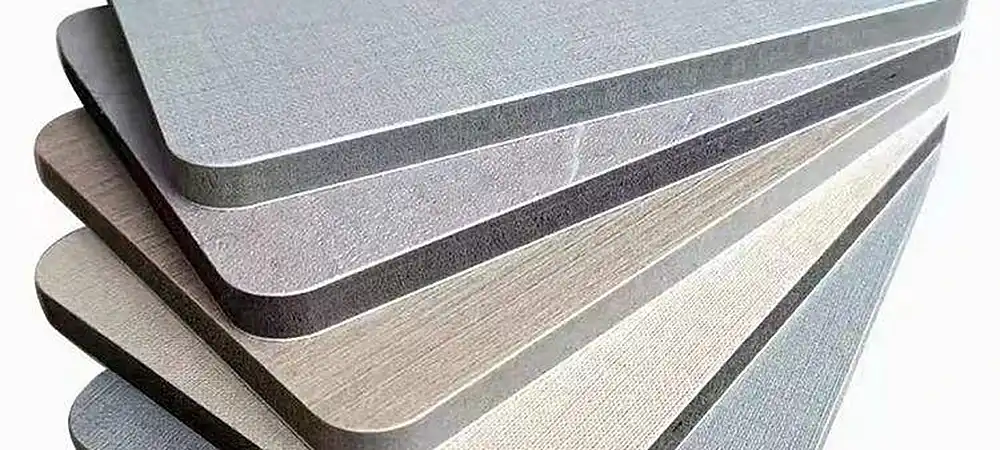
Plastics that are thermoplastic and useful ingredients are mixed with wood fiber to make WPC. After that, the mixture is shaped into a hard board. Our ZX panels are made of wood fiber about 60% of the time and HDPE 30% of the time. High-temperature co-extrusion joins the pretty film to the core. The USDA Forest Products Laboratory says that solid wood swells and shrinks when the amount of water in it changes. Putting the fiber inside the plastic helps it stay put. Standard sheets are 1.22 m x 2.44 m, but you can get them in any length you want, up to 3 m.
Water Resistant, Waterproof, and Mold Resistant Are Different Claims
A lot of people think these words mean the same thing, but they don't. Its water resistance tells you how well the panel body handles water. After 24 hours in water, our panels don't soak up more than 1% of the water that is on them. Mold resistance describes how fungi come to be. The usual way to test man-made polymers against fungi is with ASTM G21. Our panels get a score of 0, which means they didn't grow at all. These claims don't mean that a wall is completely waterproof. Water is still getting in through the floor or tub's cracks, holes, and screw holes. I believe you should ask each service for the result of the test that supports each claim.
Why Joints and Ventilation Decide Long-Term Mold Control
Walls are more important than just the surface because mold needs water to grow. According to the U.S. Environmental Protection Agency, the humidity in a room should be less than 60%, preferably between 30% and 50%, and things that are wet should be dry in 24 to 48 hours. If the bathroom fan works, the corner is covered, and the supply line doesn't leak, then a waterproof anti-mold WPC wall panel is safer than any sign. There is always a complaint about a failed sealant line or a hidden plumbing leak in places that are damp. The panel stays clean.

Can WPC Bathroom Wall Panels Be Fastened Directly to Studs?
When Direct Fastening Works
This method works best on dry-side walls, like those around the toilet, vanities, and walls that aren't close to the shower head. Also, it works with pre-built or flexible systems as long as the builder decides on the best way to do things and the frame is right. To fit the panel, the studs must be flat, straight, dry, and well-spaced. In the U.S., 16 inches on center is a usual spacing for home building, but it's not a rule. If the panels are too thin, they can bend between the studs and reflect light in an odd way. Before you drill, check the technical data from the supplier to make sure the maximum span that is not supported is correct.
When Extra Backing Is Needed
There's more to open baths, steam rooms, and rooms that don't get enough airflow than just screws and walls. The International Residential Code tells us what kinds of support materials can be used behind wall tile in shower and tub areas. To find out what the rules are for other finishes, look at both the panel instructions and the building codes in your area. In most cases, a cement or fiber-cement backing board, a waterproof layer, or a base that can handle water will work better where it hits the wall directly. If the wall is going to be sprayed, the waterproof anti-mold WPC wall panel should be the finish layer and not the sealing layer.
How Thickness, Span, and Fasteners Affect the Specification
The waterproof anti-mold WPC wall panels we sell are between 3.5 mm and 18 mm thick. How far a panel can stretch between supports depends on how thick it is. When you use thin boards, continuous backing works really well. It's usually fine for bigger boards to get knocked every day and for the space between the studs to be wider. How far apart the fasteners are, how strong the screws are that hold them in place, and the impact loads all have an effect on the end standard. Don't guess; instead, ask for data on screw retention and flexural strength. Pick screws that won't rust if the room is damp, since rust quickly stains a light finish. The Shore D hardness being above 70 is good, but it's not the same as a spread table.
The Correct Installation System for Fastening Waterproof WPC Panels to Studs
Prepare the Frame Before the First Panel
The frame, not the screen, is where most problems start. Shim the studs that are too low and plane the ones that are too high. When the amount of water in wood changes, the Wood Handbook says that it will move. A wet stud can bend behind a finished wall. Make sure there is no water on the wood. First, finish the plumbing pressure tests and the rough-in for the electricity. Then, put blocks where you want to put shelves or other things. Put down the membrane and backing board before putting up any panels in spray zones. When the frame is flat, tongue-and-groove pieces fit together well.
Choose Fasteners, Clips, and Expansion Gaps
What the manufacturer suggests is the best way to attach the waterproof anti-mold WPC wall panel. This could be face screws, hidden clips, or an adhesive that is made to work with the panel. Hidden clips keep the face clean and let you move around a bit in hot, stuffy rooms. Leave about 3 to 8 mm of space at the ends and sides for growth because heat does move. Then, trim over it. Talk to ZX about the gap that fits your length and width. The shapes will fit the edge of the panel because we sell border boards, trims, and other things that go with them. You shouldn't push a wall all the way up against the floor, ceiling, or tub.
Seal Joints, Corners, and Penetrations
Any holes that water can get through should be closed up. Make a silicone bead that can be shaped and run it along the bottom, around the pipes, and along the tub's edge. When the panel moves, caulk that is too stiff cracks. Cover the bottom edge with caulk and the floor or tub. This will keep water from rising. Follow the steps given by the supplier to install tongue-and-groove joints and trims. Overlapping profiles only keep water out if they are put in place the right way. While you cut and fit, leave the protective film on. When you're done, peel it off.
Waterproof WPC Wall Panels Versus Other Bathroom Wall Solutions
Comparing WPC, PVC, Ceramic Tile, and Wood Panels
Everything is meant to be there. Even though PVC panels are thin and light, they may bend more and not be as rigid as wood. To put down ceramic tile, you need a good base, mortar, grout, and skilled workers. It is strong and lasts a long time. The Tile Council of North America guide spells out these steps. Wooden walls look warm, but when they get wet, they look different. In the middle is a waterproof, anti-mold WPC wall panel that is hard, light, waterproof, and doesn't grow mold. It also comes in solid, metal, wood, stone, cloth, and stone grains. The panel is not the only part you should compare. This covers the joint treatment, work, trims, and glues.
Fire and Emissions Are Separate from Water Performance
A panel might be able to handle water but not fire, so think of them as two separate needs. Our panels are grade E0, which means they don't have any formaldehyde in them. They are also CE and ISO certified and come with reports from quality checks. Whether you want to use a product for business or pleasure, get information from a third party about its flame spread, smoke development, and reaction-to-fire class. People often need that paperwork to get into public buildings, hotels, and hospitals. Getting it late can slow down work more than getting it lost, so you should ask for it early.
Selecting the Right Panel for the Project
Pick a waterproof anti-mold WPC wall panel that goes with the room. There may not be a need for a larger board on the wall of a bathroom in a home that isn't near spray. However, there may be a need for one in a hotel hallway or a clinic. There are several things that need to be checked: density, thickness, screw retention, physical stability, and suspended spread. After that, you can pick one of more than 100 finishes. Distributors should keep a lot of colors that sell quickly and test out new ones in small amounts so they don't have any that aren't selling. First, get some samples. Soak one, and then screw it to a stud to see how it works.
Common Mistakes, Maintenance, and Supplier Checks
Installation Mistakes to Avoid
Why do things fail? It's simple: spray zones without membranes, uneven studs, the wrong bolts, no expansion gap, edges that aren't sealed, and glue that aren't made for the job. These all have the power to make things leak, rust, move, or grow mold. You can't use a pretty strip instead of the layer that needs to be sealed. Damp spots and water in the air make it more dangerous, so turn on the fan before and after showers and fix any leaks right away. Keep panels flat on boxes in a dry part of the building when it rains so they don't get wet before they are put in place.
Cleaning and Maintenance
It's easy to keep up. Wipe the surface down with clean water, a soft cloth, or a sponge that won't scratch to get rid of soap film. After that, let the surface dry. Do not use rough powders, steel wool, strong acids, sharp tools, heavy bleach, or water that is shot at joints under a lot of pressure. Every two months, look at the bottom sides, corner profiles, silicone lines, and pipe holes. If there are soft spots, stains, or a musty smell behind the wall, it may have been wet. If you want to, you can return the waterproof anti-mold WPC wall panels when the time comes. You don't have to paint, seal, or sand them.
Final Checklist Before You Approve an Order
First, check that the technical details are correct. For example, make sure that the studs are straight, square, dry, and spaced out properly. Also, make sure that there is backing where the spray hits, that the bolts work with each other, that there are no expansion gaps, and that the joints are sealed. Then, check the business details, such as samples, sizes, trims, test reports, color consistency, packaging, replacement supplies, and test results. We have a variable MOQ, production takes 10–15 days, and we promise that the co-extrusion film will not peel off for 10 years. We use wooden pallets with edge guards and stretch wrap to pack for shipping by sea. You can pay with L/C, D/A, D/P, T/T, Western Union, or online.

Conclusion
Waterproof bathroom wall panels can be put up on studs when the weather is good. Mold and water won't be able to grow on a waterproof anti-mold WPC wall panel. However, how long it lasts relies on how well the joints are sealed, how well it breathes, and how well it is backed. Direct fastening only works on dry-side walls with straight, dry studs that are evenly spaced. But showers and steam rooms need backer boards or membranes. Things can stay together and not leak if you use approved clips or fasteners, expansion gaps, and flexible sealant. In comparison to PVC, tile, and wood, WPC is rigid, light, and can be used in a lot of different ways. Even so, the data on fire and emissions still need to be checked separately. If you want to use what you've learned, make sure the panel is listed as part of a fully tested wall system and check it with written proof and samples.
FAQ
1. Can WPC panels be screwed directly to studs?
Yes, as long as you follow the span and fastener instructions that came with the panel. It can be used on dry-side walls with straight, dry, and evenly spaced studs.
2. When is cement backer board needed?
If the manufacturer or local code says so, it should be used in places with direct-spray showers and anywhere else that it says to.
3. Are anti-mold WPC panels suitable for showers?
They don't let water or germs in at the panel body. A shower wall also needs airflow that works, parts that are protected, and a screen behind the panel.
4. How do I choose the thickness?
Check with the seller to see if the width is right for the number of studs, the impact force, and the span. To compare them, get pieces of two different thicknesses and use a real stud frame.
5. How should I evaluate a supplier?
If you want to buy a lot of something, make sure you get export references, test reports, technical data sheets, examples, and information on how to package it.
Request a Waterproof Anti-Mold WPC Wall Panel Sample from ZX
Let ZX know how big your wall is, how far apart the studs are, how much moisture it will be exposed to, what thickness you want, what finishes you want, how many you want to order, and where the wall will be used. As a manufacturer of a waterproof anti-mold WPC wall panel, we offer a free trial pack, matching trims, custom lengths up to 3 meters, and OEM packaging. Get a quote and specification sheet by emailing info@kangdishi.com. Make sure the panel you want to buy has studs for mounting.
References
1. U.S. Environmental Protection Agency, A Brief Guide to Mold, Moisture, and Your Home, 2012
2. International Code Council, International Residential Code, 2021
3. ASTM International, ASTM G21 Standard Practice for Determining Resistance of Synthetic Polymeric Materials to Fungi, 2015
4. Forest Products Laboratory (USDA), Wood Handbook: Wood as an Engineering Material, 2021
5. Tile Council of North America, TCNA Handbook for Ceramic, Glass, and Stone Tile Installation, 2024
6. Clemons, C., Wood-Plastic Composites in the United States: The Interfacing of Two Industries, Forest Products Journal, 2002
Online Message