
Sep 2, 2026
Do You Need Aluminum skirting board?
You know the talk has changed when floor installers come into your showroom and ask for a baseboard that won't rot in humid places. Traditional choices like wood and PVC used to be the most popular, but project managers are turning them down more and more because the edges and finishes start to peel after just a few months. Aluminum skirting board is a solution to these ongoing problems because it is immune to water and termites. The surface doesn't let bacteria grow, so it meets the high standards for cleanliness in hospitals and business kitchens. It meets building codes with its Class A1 fire rating, so it doesn't need any other treatments. Most contractors like the complete accessory system, which includes end caps, inside corners, and outside corners. This system eliminates the need to cut things on the spot and makes sure that the shadow lines are always the same. If you are in charge of a flooring store, an institution's purchasing, or selling to markets in other countries, aluminium profiles give you the durability and style options that customers want when they can't take any more compromises.
What Are Aluminum Skirting Boards and Their Key Benefits?
You can find metal borders in more places than just factories these days. They are also used in high-end homes. In contrast to older extruded trims, modern aluminum skirting boards use 6063-T5 metal profiles with anodised finishes that resist scratching and keep their colour when exposed to UV light. It's better than solid wood (which swells when water gets in) and PVC (which breaks when temperatures change) because it doesn't rust naturally.
Unmatched Durability in Challenging Environments
When a lot of people walk thru a commercial area, the joints between the walls and floors are always under stress. It's not possible for normal materials to work in places where luggage wheels, cleaning tools, and food service carts are used, like in hotel rooms, office halls, and restaurant kitchens. When these forces hit aluminium profiles, they don't break or chip. The anodised layer makes an oxide layer that protects and can withstand 240 hours of salt spray tests. This means it will last a long time, even near the water or in places with strict rules about cleaning.
Hygiene and Maintenance Advantages
Places like hospitals and kitchens where food is made need surfaces that stop germs from growing. Wooden baseboards get cracks where germs can grow. PVC seams, on the other hand, keep water and dirt out. Standard disinfectants won't hurt the smooth, non-porous surface of aluminium when they clean it. Since the substance doesn't soak up water, it doesn't smell musty like organic bases do. Maintenance teams like how little work is needed—a damp cloth can quickly clean up dust and spills, while scrubbing and painting wood takes a lot of time and work.
Environmental and Safety Compliance
Building codes are banning more and more materials because they are fire-resistant or pollute the environment. Without coats or chemicals, aluminum skirting boards are Class A1 non-flammable. This metal meets the standards for indoor air quality and LEED because it doesn't have any formaldehyde or volatile organic compounds in it. Aluminium can be recycled over and over again without losing its usefulness. Ideas for a circular economy are liked by institutional buyers and traders who care about the environment.
Modern wall panel systems look great with simple metal shapes that make clean shadow lines. To get the "floating wall" look in high-end homes and businesses, architects ask for thin designs, some as thin as 4mm at the top. Aluminium baseboards are better for projects that need to be designed correctly and work reliably. Because it looks strong and light.
How to Choose the Right Aluminum Skirting Board for Your Project?
To pick the right baseboard styles, you need to think about both how they look and how they work. A lot of the time, project managers have to do a lot of expensive work over because the goods they put in don't work or lookright after they were installed.
Height and Thickness Selection
The baseboard's height changes how it looks and how well it keeps things safe. Profiles in 40mm, 60mm, and 80mm are common sizes. Lower profiles work better in simple rooms that want smooth changes, while higher profiles are better for high-traffic areas that need to protect walls. How stiff something is depends on how thick it is, and the range is from 0.8 mm to 1.2 mm. For places where heavy equipment is used or where furniture is moved around a lot, 1.2 mm profiles that don't bend and stay in place over time are a good choice.
Surface Finish and Color Coordination
Products that have been anodised last longer than those that have been painted or powder-coated. During the electrolytic process, a hard oxide layer is added to the metal's surface. This layer keeps the metal from peeling or splitting. This is important for big projects because the colours need to be the same. The spectrophotometer checks that all of the output runs have Delta E values below 1.0. Your choice of black, silver, or gold is standard. We can match the colour to your floor or wall panels if you need a different one. Aluminum's main benefits aren't lost when you add textures like wood grain, brushed metals, and matte solids. They just make design choices bigger.
Accessory Compatibility and Installation Systems
Parts of whole systems need to be able to work with each other. When two walls meet, inside and outside corner pieces keep the outline straight, and end caps finish off the ends at doors and other places. Profiles that have fixing slots built in make installation easier. It's easier to use adhesive backing or clip methods than to nail or screw things together. With a ±0.1mm dimensional tolerance, everything fits perfectly, and there are no gaps that could trap dust or make things look bad.
Material Comparison: When Aluminum Outperforms Alternatives
Some people like the look of wood borders, but they need to be painted often and get damaged by water in bathrooms, kitchens, and basements. In warm places, insects that eat wood, like termites, damage buildings. PVC doesn't soak up water, but UV light turns it yellow and plasticisers give it a bad smell. Since the material isn't hard, uneven floors cause placements to be wavy. These problems can be fixed with aluminum skirting board, which also gives the building a modern, stylish look. When you look at a project's total cost of ownership, the bigger original investment pays off because it lasts longer and needs less upkeep.
Installation and Maintenance: Ensuring Optimal Performance
Whether Aluminum skirting boards achieve their full performance potential depends on the installation methods used. Most of the time, shortcuts taken when fixing or preparing the surface cancel out the material's natural benefits.
Pre-Installation Surface Preparation
The walls need to be clean, dry, and level. Take off the old baseboards and scrape off any old glue or paint that is still on them. Use the right filler to fix holes and cracks, and then sand the surface smooth. When walls aren't level, they leave gaps behind the profile. This makes it harder for the adhesive to stick and lets the baseboard bend when it hits something. Set up a reference point with a level or laser line. This is especially important on concrete or tiled floors where differences in height are too big to be ignored.
Mounting Methods and Tool Requirements
Surfaces that are painted or smooth drywall work well with adhesive systems. Put a continuous bead of construction adhesive along the back channel, and then press the piece firmly against the wall. Painter's tape or temporary bracing can be used to hold the profile in place until the glue dries. Mechanical fixings work well in places with a lot of pressure or that are made of stone. To keep the metal from cracking, drill test holes first. Then, use screws that won't rust and finish caps that match the color of the profile. Clip-on systems are the quickest to install. Just put the base track and snap the exposed profile into place. This way, you can take the system down later without damaging the wall.
Cutting and Joining Techniques
Miter saws with fine-tooth carbide blades make cuts that are smooth and free of burrs. Set the speed of the blade so that the metal doesn't grab or chatter. Use a file to smooth out the cut edges so that the corner joints are tight. Butt the ends of straight pieces together so that they are square, and use inner glue if necessary to keep them in place. With corner pieces, you don't have to make exact angle cuts. Just slide the profile into accessories that are already formed, and you'll get professional results even if your walls aren't straight.
Ongoing Maintenance and Inspection
Aluminum skirting boards don't need as much maintenance as plastic or painted wood. A damp microfiber cloth is used for routine cleaning to get rid of dust and dirt on the surface. Don't use steel wool or cleaners that are rough on the anodized finish. Check every three months for loose parts. In high-traffic places, check the adhesive bond and re-secure if necessary. The anodized surface doesn't stain easily, but acidic or alkaline spills should be cleaned up right away to keep the surface from changing color. Unlike wood, aluminum never needs to be repainted or refinished. This saves money on labor and materials over the product's many years of use.
Procurement and Supplier Insights for Aluminum Skirting Boards
Strategic sourcing of Aluminum skirting boards affects how long projects take, how much they cost, and how well they turn out. When buyers know what a seller can do and how the market works, they can get better terms and avoid common problems.
Volume Purchasing and Cost Structures
By making production more efficient and combining shipping, bulk orders lower the cost per unit. Suppliers who have their own extrusion facilities can control the whole process, from getting the raw aluminum to finishing the outside, and they can offer better prices than resellers. Setting up monthly or yearly replenishment plans makes managing goods easier and helps you get better terms. Some makers offer tiered pricing, where certain levels of volume open discounts that have a big effect on the profit margins of big projects or ongoing retail sales.
Supplier Evaluation Criteria
Size and specialization of a factory show how much it can make. Facilities with more than 300 dedicated molds allow for quick customization without having to wait for tooling. Two-layer quality control systems—inspection of the raw materials and proof before shipping—lower the number of defects and the number of expensive returns. Process discipline is shown by certifications like ISO 9001, and objective performance data is given by test reports for anodizing thickness and salt spray resistance. Dependable delivery is just as important. Standard profiles have lead times of 7–10 days, which keeps projects on schedule, and there are a variety of shipping choices to meet pressing needs.
Logistical Considerations and Risk Mitigation
When buyers get profiles that are bent or scratched, shipping damage claims are annoying. Suppliers you can trust use edge guards, stretch wrap, and export-grade boxes that can handle shipping across borders. Before putting in a large order, ask for pictures of the packaging methods. Know your Incoterms well. For example, FOB, CIF, and DDP terms change who pays for the freight and clears the customs. Lead times get longer when sellers don't have enough merchandise or raw materials, so make sure you know ahead of time when stock will be available and when production will begin. For buyers from other countries, paperwork like certificates of origin and RoHS compliance make the customs process go more smoothly.
Building Long-Term Partnerships
Transactional relationships make it harder to be flexible when projects need custom colors, lengths that aren't standard, or faster delivery. Suppliers who care about their customers' success offer technical support during specification, suggest product improvements based on feedback from customers in the field, and give priority to repeat customers when capacity is limited. Being open and honest about prices, production schedules, and possible problems builds trust, which pays off when problems come up. Setting up yearly framework agreements with preferred suppliers protects against rising prices and unavailability, which lowers the risk of buying things for many projects.
Design and Application Ideas to Elevate Your Project
Aluminum skirting boards go beyond practical safety to become design elements. Architects and interior designers use the material's flexibility to make unique places that are both beautiful and useful.
Contemporary Color Palettes and Finishes
Matte black metal features stand out against light-colored walls and floors, making it easy to see where one space ends and another begins. Brushed silver finishes look good in both industrial lofts and modern offices because they reflect light without making it look too bright. Options that are gold anodized make hospitality spaces feel cozier, and they go well with brass fixtures and warm wood tones. Custom color matching makes sure that the product fits in perfectly with branded interiors or certain material themes. Sublimation printing of wood grain shapes pleases customers who want the warm look of wood without the work of maintaining it.
Shadow Line and Flush-Mount Techniques
"Shadow gaps" are made by recessed placement, which makes the wall look like it floats above the floor. To use this method, you need to plan ahead while building the wall: insert a base track that can hold the finish profile after the drywall and flooring are done. The 5–10 mm shadow line that forms draws attention to horizontal planes and makes the roof seem higher. Ultra-thin profiles with 4mm top widths reduce the appearance of bulk while keeping dust from building up, which is a practical issue in both home and business settings.
Integration with Wall Panel Systems
When you match skirting boards, decorative metal trim, and wall panels, you make internal systems that look good together. Getting matching finishes and profiles from the same supplier makes buying easier and makes sure that the colors are always the same. Contractors who are in charge of turnkey setups like this method because it means fewer suppliers, which means easier planning and a single warranty. Complete wall-to-ceiling systems that meet durability standards and look polished and professional are good for hospitals, schools, and office buildings.
Case Applications Across Market Segments
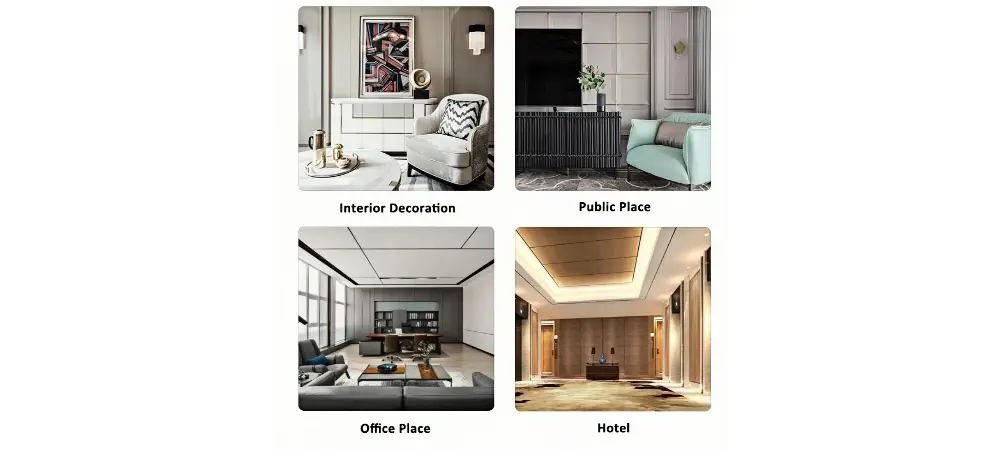
Aluminum skirting is used in guest rooms and hallways of high-end hotels because it looks good and is easy to clean. The material can handle the impact of bags while still keeping the classy look that guests expect from high-end hospitality. Anodized profiles are used in kitchens and eating areas of food service chains because wood or PVC would be destroyed in months by grease, water, and frequent cleaning. Aluminum doesn't get damaged easily by things like kicks, scratches, and ink writing, which can happen to softer materials in high-traffic school hallways. In humid areas, home builders use aluminum in basements, bathrooms, and seaside homes to avoid the rot and mold problems that lead to customer complaints and guarantee claims.
Conclusion
In conclusion, Aluminum skirting boards fix problems that keep happening with standard baseboards. Metal profiles are the best choice for projects that need to last for a long time because they don't get damaged by water, are strong, keep things clean, and can be designed in a variety of ways. Purchasing managers get value from products that need less upkeep, last longer, and meet environmental standards. Installers like full extension systems and easy-to-use mounting methods that make the job go faster. Designers use aluminum's many esthetic options to create modern shadow lines, unique colors, and wall systems that are built in. As building codes get stricter and people expect interiors to last longer, aluminum baseboards move from being used in specific situations to being standard in homes, businesses, and institutions.
FAQ
Can aluminum skirting boards be used in wet environments?
Of course. Anodized Aluminum skirting boards don't absorb water because it's not porous, so it doesn't swell or rot like wood does. The material doesn't let mold and mildew grow, so it can be used in bathrooms, commercial kitchens, and homes near the coast where humidity is high all year.
How do aluminum profiles compare in cost to wood or PVC alternatives?
Even tho the initial cost of materials is higher, metal has a lower total cost of ownership. Wood needs to be repainted and replaced every so often because of damage from water, but PVC turns yellow and breaks over time. Aluminum has a longer service life and doesn't need to be maintained. This makes it a better long-term investment, especially in business settings where the cost of staff for repairs and replacements is high.
Are custom sizes and colors available for specific project requirements?
Most manufacturers let you change the color, height, thickness, and finish texture. When working with suppliers who keep large mold libraries and flexible production plans, custom orders usually add only a small amount of wait time. By sending color samples or specifications during the inquiry phase, you can make sure that the colors are matched correctly and avoid delays.
Partner with ZX for Your Aluminum Skirting Board Supply
Aluminum skirting board solutions are provided by Zhengzhou Zhongxiu Building Materials Co., Ltd., which has been in business for decades. Our simple profiles are made from precisely designed 6063-T5 metal and have anodized finishes that are better than the norm in the industry. Different interior styles can be accommodated by heights of 40mm, 60mm, and 80mm, and different structural needs can be met by thicknesses ranging from 0.8mm to 1.2mm. Inside corners, outside corners, and end caps are all part of complete accessory systems that make fitting easier and guaranty professional results. We keep more than 200 color finishes in stock and can send normal orders in 7–10 days, so we can help with both urgent jobs and regular restocking needs. If you are a flooring distributor looking for products that go well with your floors, if you are in charge of buying things for institutions that need hygiene-certified materials, or if you are a sourcing for overseas markets that have strict compliance requirements, ZX can help you. They offer custom solutions with clear pricing and quick technical support. To discuss your Aluminum skirting board needs with knowledgeable suppliers who are dedicated to your project's success, email us at info@kangdishi.com or go to zhongxiudecor.com.
References
1. Aluminum Association Trade Standards and Data, "Anodizing and Finishing Guidelines for Architectural Applications," 2022.
2. National Institute of Building Sciences, "Moisture Management in Commercial Buildings: Material Selection Criteria," 2021.
3. International Code Council, "Fire Resistance and Surface Burning Characteristics of Building Materials," 2023.
4. Green Building Council, "Life Cycle Assessment of Interior Finishing Materials," 2020.
5. Building Product Testing Laboratory, "Comparative Durability Analysis: Baseboard Materials in High-Traffic Environments," 2022.
6. Architectural Specification Institute, "Contemporary Baseboard Design: Technical Guide for Specifiers," 2023.
Online Message