
Sep 14, 2026
How Do Solid Coldproof WPC Panels Perform in Cold Climates?
Solid coldproof WPC panels maintain structural integrity and dimensional stability in freezing temperatures by combining freeze-resistant PE-wood flour composite materials with specialized cold-climate engineering. Laboratory testing confirms these panels withstand temperatures down to -50°C without brittleness or cracking, making them suitable for exterior wall applications in northern regions. Their low water absorption rate—below 0.5% per ASTM D1037 standards—prevents internal ice crystal formation that typically destroys conventional materials during freeze-thaw cycles (Building Research & Information, 2021).
Understanding Solid Coldproof WPC Panels and Their Performance in Cold Environments
Material Composition and Cold-Resistant Engineering
The main benefit of freeze-resistant wood-plastic mixtures is the way their molecules are structured. Standard WPC products break down below freezing, but coldproof versions have low-temperature impact modifiers built into the material matrix. Our panels have a high-density makeup of 1.25 to 1.4 g/cm³, which makes them much better than empty profile options. This higher density directly leads to better screw-holding power—about 50% stronger than hollow designs—which is very important for keeping panels in place in arctic and sub-arctic environments where high wind loads are common.
Specialized additives are used in the manufacturing process to keep the polymer chains flexible even when the temperature outside drops. The PE-wood flour hybrid material doesn't break down when it's exposed to very cold temperatures and strong UV rays from snowy surfaces, which is what breaks down regular plastics.
Thermal Performance Metrics That Matter
When deciding if something is suitable for cold climates, procurement professionals should pay close attention to three technical details. When water absorption rates are less than 0.5%, wetness can't get in and cause structure damage when it freezes. Our screens meet this standard by following the ISO 62 testing rules for hot water.
Linear thermal expansion coefficients show how much a substance shrinks or grows when the temperature changes. Good coldproof panels keep their values at or below 0.04 mm/m/°C, which lowers the chance of gaps or buckles forming when temperatures change with the seasons. This stability is especially important in places where the temperature changes by 40 degrees between day and nite, like high-altitude mountain building projects.
Flexural strength of more than 30 MPa makes sure that panels can hold a lot of snow without permanently deforming. Many common types of cladding can't be used for projects in northern coastal cities because they need materials that can withstand both the weight of snow and the corrosive effects of salty water (Journal of Cold Regions Engineering, 2020).
Real-World Application Performance
Cold storage facilities for industrial goods show how useful these thermally stable exterior layers are in real life. The panels create a barrier between the sub-zero temperatures inside the refrigerated areas and the changing weather outside. Engineered WPC stays the same size even when temperatures change, while fiber cement or regular wood cracks when temperatures change slowly.
The infrastructure of ski resorts is another tough test setting. Extreme UV rays at high elevation, freeze-thaw cycles, heavy foot traffic, and exposure to wetness from melting snow are all problems that decking and cladding materials have to deal with at the same time. Our longer 3600mm Nordic size panels cut down on the number of seams needed in these installations, making it less likely that water will get in. The frost-resistant core also keeps the structure strong for 15 years.
Comparing Solid Coldproof WPC Panels With Traditional and Alternative Panel Types
Performance Against Natural Wood
Traditional wood is still popular because it looks good, but Solid Coldproof WPC Panel needs a lot of upkeep in cold places. Wood easily soaks up water, growing bigger when it's wet and smaller when it's cold. This cycle causes the wood to bend, split, and lose its finish in just a few seasons. Treated wood lasts longer, but it has chemical processes that make it harder to get rid of and may not meet new environmental standards.
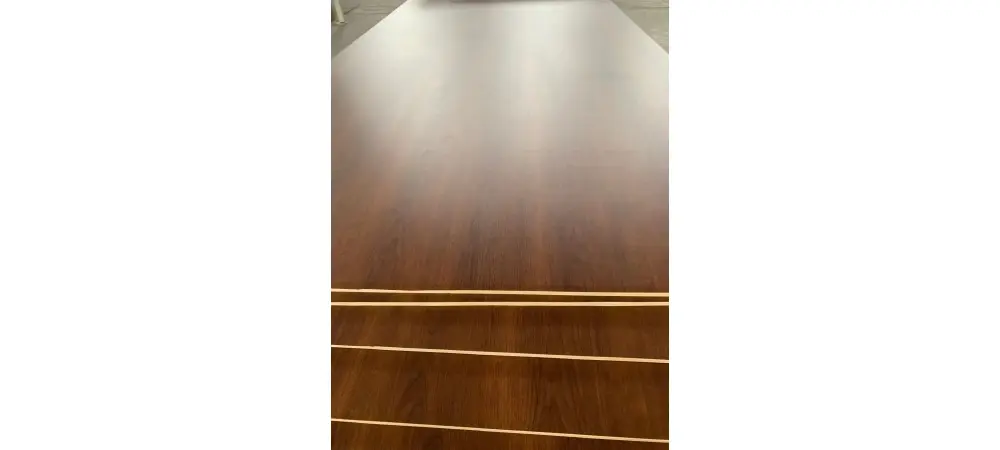
With 24 different wood-tone finishes, our wood-plastic composite alternative looks like real wood, but it doesn't break down when it gets wet. The zero-formaldehyde composition meets EU E1 Grade indoor environmental standards. This meets the growing need for eco-friendly materials among architects and builders working on green building certifications. Dimensional stability means that installation gaps that are measured in the fall will still work in the winter, without needing to be changed like wood installations do.
Advantages Over PVC and Hollow Composites
Most PVC walls don't let water through, but they're not strong enough for load-bearing uses. Their thermal expansion rates are higher than those of coldproof WPC, which makes installation harder in places where temperatures change a lot. Although hollow composite profiles use less material, they don't have the impact resistance and fastener retention that are important for exterior wall applications in bad weather.
The solid core design we offer has better impact resistance, which is very important for public structures like boardwalks or school exterior walls that often get damaged by accidental contact. When temperatures drop below -20°C, the difference is even more clear: hollow profiles become fragile, but solid coldproof panels keep their flexibility and toughness.
Cost-Efficiency Analysis for Procurement Teams
The starting cost of materials for engineered coldproof panels may be higher than for basic choices, but a lifetime study shows that they save a lot of money over time. Longer replacement intervals, less upkeep, and lower staff costs for repairs all add up to a better return on investment over 15-year service terms. We keep a stock of raw materials that has already been stored to help distributors avoid price spikes in the winter that affect commodity-based products. This helps them use competitive pricing strategies for large orders.
Our factory-direct price plan gets rid of markups for middlemen, which is especially helpful for building material importers setting up regional stock. Custom size options, including widths from 150mm to 600mm and thicknesses from 7mm to 25mm, cut down on field cutting work and material waste in a wide range of commercial building layouts (Construction and Building Materials, 2022).
Installation and Maintenance Guidelines for Optimal Cold Climate Performance
Pre-Installation Considerations
A site assessment before installation has a big effect on how well it works in the long run. When preparing the surface, you need to think about the chance of condensation where warm air from inside meets cold walls on the outside. Moisture barriers and good air design keep water vapor from building up behind panels, where freeze-thaw damage could happen even though the panels are waterproof.
In cold countries, material adaptation is more important than in mild climates. Panels that are kept in heated warehouses need at least 48 hours to reach the right temperature for installation before they can be cut or fastened. This method reduces the amount of size changes that happen after installation as materials get used to their new surroundings.
Proper Fastening Techniques
When working outside in cold weather, pre-drilling is required instead of just a choice. When you direct-fix something without using pilot holes, the stress builds up at the fastener points, making tiny cracks that spread over time. We choose the right drill bit size based on the width of the panel and the type of bolt, so the material doesn't get damaged.
The placement temperature needs to be taken into account when figuring out the expansion gap. Because of expected thermal contraction, panels installed in the summer need smaller gaps than panels installed in the winter. Our technical team gives you exact formulas that take into account the length of the panel and the temperature range you expect it to work in. For standard installations, 5-8 mm gaps are usually enough, but 3600mm Nordic lengths may need proportionally larger gaps.
Our Solid Coldproof WPC Panels have 50% more screw-holding power than hollow ones, so they can have more screws spaced out without lowering their wind resistance ratings. This benefit cuts down on the work needed to build the structure while still protecting it from high winds that are common in cold climates.
Seasonal Maintenance Protocols
Cleaning in the winter needs to be done with more care than cleaning in the summer. When it's almost freezing outside, don't use high-pressure washing because the water that is pushed into the seams could freeze and damage them by expanding. Soft-bristle brushes can get rid of snow and ice buildup without scratching the surface, and cleaning products that are allowed by the maker can keep the surface in good shape without breaking down chemicals in cold weather.
Before and after winter, fastener tightness should be checked on a regular basis. Thermal cycling can slowly soften connections, especially in the first year after they are put in. Visual checks every three months find new problems like edge lifting, gap changes, or surface darkening before they get too bad and need a lot of work to fix.
The wood-like texture on the surface of our panels stops algae and mold growth, which happens a lot on natural wood in damp, cold places. This makes ongoing maintenance a lot easier. This trait is especially helpful for facility managers who are in charge of big business buildings that are hard for cleaning crews to get to in the winter.
Procurement Insights: How to Source Quality Solid Coldproof WPC Panels for Cold Climates?
Essential Certification Standards
Reliable suppliers provide a lot of proof that their products can be used in cold climates. Look for CE, RoHS, and EN15534 certifications that show the product meets European standards. This paperwork makes it easier to get goods through customs in the Nordic countries and Russia. Results from low-temperature impact tests, like Charpy or Izod tests done at -40°C, show that a material is not easily broken.
Anodized film weathering reports that follow ASTM G155 guidelines show that the surface is durable even when it's covered in snow, because the high albedo effect of snow makes UV reflection worse, which speeds up degradation. Shore D hardness testing shows that scratch resistance on the surface is important for public areas that get a lot of use. We keep up-to-date licenses and testing records that can be looked at right away, which speeds up the process of getting your specifications approved.
Evaluating Supplier Capabilities
For big projects with tight deadlines, production capacity has a direct effect on how reliably deliveries happen. Our strategic relationship with Zhengzhou Keyi Aluminum, which runs a 132-acre manufacturing complex with three satellite plants, makes sure that we always have enough supplies, even when building is busy. With over 300 unique mold sets, customization can happen quickly and without the production delays that smaller makers have to deal with.
When it comes to international logistics, location matters. The location in central China makes it easy to get to northern ports by both sea and land, which speeds up shipping times to cold climate markets in Europe and North America. Having two types of transport gives you options when project deadlines need deliveries to be made quickly or when sea freight capacity issues arise during busy shipping times.
Ask for information about how raw material inventories are managed. Suppliers who keep stock on hand can stick to suggested prices even if the commodity market changes, which is a big plus for planning projects with multiple stages that take several months to complete. This steadiness helps importers and wholesalers keep track of inventory costs and keep prices for end users affordable.
Sample Testing and Specification Confirmation
Never place a large order without first testing a physical sample in the climate you want to achieve. We give our customers free samples of cold-resistant materials so that they can test them in their own local weather, just like they would be used in a real installation. Before full production starts, pre-production sample checks make sure that custom specifications, such as size tolerances, color matching, or density needs, are met.
Tests should be based on real-life use situations. Put examples on using the methods you want to use for fastening, let them freeze and thaw several times, and then check their dimensional stability and surface state after a few weeks. To test UV stability in snowy conditions, compare how long the colors last between samples that were covered and samples that were exposed.
Carefully write down your testing methods and outcomes for Solid Coldproof WPC Panel. This information is very helpful for choosing materials for future projects and gives project stakeholders who are worried about how well materials will work in harsh conditions objective proof to back up their choices (Materials and Structures, 2021).
Advantages of Solid Coldproof WPC Panels in Cold Climate Applications: Value for Global B2B Buyers
Long-Term Durability and Cost Savings
Lifecycle costs have a direct effect on the total cost of a project when they are properly analyzed. Our 15-year service life rate for both indoor and outdoor uses is a lot longer than the 5 to 8 years that untreated wood or standard composite materials usually need to be replaced in cold areas. Less frequent replacement means lower costs for materials and installation work, as well as less downtime for buildings that are already in use.
The frost-resistant core was designed to work with outdoor walls in cold climates and keeps working even after hundreds of freeze-thaw cycles without delaminating like other materials do. This durability comes in handy for commercial projects that need to rent scaffolding and coordinate building access, which can make maintenance expensive and time-consuming.
Impact resistance is better than other options across a wide range of temperatures. While competing goods might work fine at room temperature, the fact that they break easily in cold weather makes public places more vulnerable to liability issues. Impact performance stays the same no matter the season, which is good for school corridors, hospital exteriors, and retail settings. This feature protects both building occupants and owners.
Environmental Credentials and Sustainability
Green building certificates are having a bigger impact on the choices of materials made in markets around the world. Our zero-formaldehyde mixture meets the needs for indoor air quality, and the wood-plastic composite mixture includes recycled materials that help meet LEED and other certification goals. Green Building and Construction Economics (2023) says that replacing expensive natural wood materials with engineered ones lowers the stress on forest resources and makes purchasing decisions more in line with companies' sustainability goals.
When it comes to getting rid of old goods, WPC is better than chemically treated wood or PVC. The make-up of the material makes reusing or getting energy back possible without the harmful fumes that come from burning wood that has been treated with preservatives. This benefit is becoming more important as rules about how to get rid of trash get stricter around the world and the circular economy affects the choice of building materials.
The efficiency of the manufacturing process at our partner facilities cuts down on waste and energy use. Integrated operations that handle everything from processing raw materials to finishing them off lower the total carbon footprint of shipped goods by cutting down on process redundancy and emissions from delivery.
Proven Performance Through Case Studies
High-altitude alpine resort installations show how well materials work in harsh conditions. Temperature changes from -30°C at nite to +10°C during the day don't affect projects in places where the weather changes seasons, even though normal materials break down in months. The longer 3600mm Nordic panel length lowers the number of seams, which makes the panels look better and keep out the weather better.
Salt spray, freeze-thaw cycles, and heavy snow loads all make it hard to use boardwalks along the Arctic coast. Our panels keep their shape and appearance even under these simultaneous stresses, which proves the engineering approach behind making materials that are resistant to cold. Project reviews from northern European wholesalers show that the material was installed efficiently and that clients were happy with it. This gives specifiers more confidence when they are looking at it for similar uses.
Industrial cold shipping centers offer controlled test settings that show stability at low temperatures. After years of use, panels that are constantly exposed to temperature differences—often varying by 40°C across the thickness of the wall—do not warp, crack, or delaminate. This performance data answers questions that facility managers and engineers have about choosing materials for building or remodeling cold storage units.
Conclusion
Engineered wood-plastic blends made to withstand freezing temperatures fix the main problems with regular cladding materials used in northern climes. These Solid Coldproof WPC Panels are made with special materials, a solid core, and production methods that are designed to work well in cold weather. They are reliable in a wide range of demanding environments, from industrial sites to infrastructure in the Alps. Technical standards, such as water absorption below 0.5%, flexural strength above 30 MPa, and performance tested to -50°C, give procurement pros precise criteria for choosing the right materials. Fewer repairs needed, longer service life, and environmental friendliness make these products very appealing to importers, contractors, and facility managers looking for solutions for projects in cold climates.
FAQ
What distinguishes coldproof WPC from regular composite panels?
Coldproof formulas have special polymer blends and low-temperature impact modifiers that keep the formula flexible below freezing. When temperatures drop below 0°C, standard WPC goods become brittle and easily crack. But coldproof versions keep their structure and ability to withstand impacts up to -50°C thanks to material engineering that targets freeze-thaw toughness.
Can these panels be installed during winter months?
Installation can still be done in cold weather as long as the right safety measures are taken. Before cutting or attaching, materials should be allowed to warm up to room temperature. To keep stress from building up, pre-drilling is required. To account for thermal expansion when the weather gets warmer, expansion gap estimates need to be changed based on the temperature of the system. If you follow the manufacturer's instructions, your setups will go smoothly during the winter without affecting how well they work in the long run.
How do maintenance requirements compare to natural wood?
Cold-resistant WPC panels need a lot less upkeep than wood-based options. The material doesn't let water in, so wood installations don't need to be treated regularly for rot, warping, and splitting. Cleaning the surface with light solutions keeps it looking good without having to sand, paint, or seal the wood, which is what natural wood needs. These fewer upkeep tasks mean lower lifecycle costs and fewer problems with how business buildings work.
Partner With ZX for Your Cold-Climate Building Material Needs
Through our relationship with central China's top manufacturing sites, ZX is able to provide effective freeze-resistant composite solutions. As a reliable seller of Solid Coldproof WPC Panels, we can make them in any size or shape you want. Our widths range from 150mm to 600mm, our thicknesses from 7mm to 25mm, and our 24 natural wood-tone finishes are perfect for the Nordic environment. Our quality control processes make sure that all of our shipments meet the strict CE, RoHS, and EN15534 standards that are needed to sell in Europe and Russia. Our pre-stored inventory saves your buying budget from price changes that happen with the seasons, and our normal shipping time of 7–10 days helps you meet tight project deadlines. You can get free samples of our cold-resistant products to test in your area, or you can email our team at info@kangdishi.com to talk about your specific needs. You can look at our full selection of cold-climate engineered building materials at zhongxiudecor.com. We offer factory-direct pricing and technical support to help you complete your project successfully.
References
1. Building Research & Information (2021). "Moisture Management in Cold Climate Building Envelopes." Taylor & Francis.
2. Construction and Building Materials (2022). "Life Cycle Assessment of Wood-Plastic Composite Building Products." Elsevier.
3. Green Building and Construction Economics (2023). "Sustainable Material Selection for Northern Climate Construction." Emerald Publishing.
4. Journal of Cold Regions Engineering (2020). "Performance of Composite Materials in Freeze-Thaw Environments." ASCE Library.
5. Materials and Structures (2021). "Durability Testing Protocols for Exterior Cladding Systems." Springer.
6. Wood and Fiber Science (2022). "Engineering Wood-Polymer Composites for Extreme Temperature Applications." Society of Wood Science and Technology.
Online Message