
Oct 26, 2026
How Do You Clean Aluminum Decorative Mouldings?
Aluminum decorative mouldings may look excellent and endure considerably longer than most other materials. Short answer: clean them with a delicate cloth moistened with a light, pH neutral detergent solution. Rinse them out in clean water and dry them immediately. Don't scrub the anodised coating that protects the metal underlying with abrasive pads, steel wool or strong acidic or basic solutions. Facility managers normally recommend that commercial buildings that receive a lot of use be cleaned regularly every four to eight weeks to maintain the buildings looking beautiful and keeping their structure robust.
Understanding Aluminum Decorative Mouldings and Their Cleaning Challenges
There are a few things you should know before you clean. Aluminum trim forms are constructed from 6063-T5 aluminum. They have a 10µm thick anodized layer on them, so they do not rust. It protects them from UV damage, and it is what gives the surface its coloring. After some time the covering that makes things safe can crack.
How Aluminum Differs From Wood and PVC Trim
Wood is flexible and absorbent. PVC can warp and yellow from heat and UV radiation. Iron will not change its shape in the weather. It will not absorb water of itself. Strong acids or bases, however, can harm the powder-coated or anodized finish. That is the biggest danger of cleaning anything the wrong manner.
Common Contaminants Found on Decorative Trim Profiles
In public spaces such as hotels, store floors and workplace hallways the culprit is often oil, glue residue, construction dust and filth in the air. Most of the time, houses appear ugly because cooking oils, cleaning materials get everyplace. Different types of pollutants can be eliminated by different methods.
The Real Cost of Improper Cleaning
It may not seem like a big deal to use the wrong thing one time. Repeated use of bleach cleansers will quickly wear away the metal film. Once the defensive barrier is gone, odors decay faster. The picture is no longer looking excellent and it doesn't indicate it will last for 12 to 16 years. That would mean decreased sales for everybody, so we don’t want that to happen.”
Step-by-Step Cleaning Process for Aluminum Decorative Mouldings
Your investment is safe if you follow a consistent, methodical plan. The following five steps will always work, whether you're in a home or a business.
Step 1 — Assess the Surface and Identify Contaminant Type
Check the profile type and finish of any product before you apply it. Cleaners work a little differently on anodized surfaces, powder-coated finishes, and wood-grain film-wrapped profiles. Look for spots of oxidation, sticky residue, or scratches on the surface. This quick test tells you the right cleaning strength you need.
Step 2 — Prepare a Safe Cleaning Solution
Add some warm water to a small amount of mild dish soap or a detergent that doesn't change the pH level to clean aluminum decorative mouldings. When workers in the field choose cleaners, they often look at ASTM standards. Specifically, cleaners that pass pH 6–8 compatibility tests are thought to be safe for anodized aluminum. Do not use any bleach, vinegar-based sprays, or ammonia solutions at all.
Step 3 — Wipe, Rinse, and Dry in Sequence
Use a soft microfiber cloth and light, straight strokes along the length of the profile to apply the solution. Over time, circular scrubbing makes tiny scratches. To get rid of the detergent film, rinse well with clean water. Dry right away with a clean cloth—standing water speeds up edge oxidation, especially in places that are humid. This three-step process cut down on obvious surface damage by a large amount across a 500-room hotel renovation project we helped with in Southeast Asia.
Step 4 — Address Stubborn Adhesive or Grease Residue
Use a cotton pad to apply isopropyl alcohol (IPA) to any adhesive spots that were left over from the fitting process. Let it sit for 30 seconds before wiping off. IPA won't hurt anodized aluminum and won't change the way the coating works. Do not use paint thinner, acetone, or solvents that are based on petroleum. These can remove surface films and void product warranties.
Step 5 — Inspect After Cleaning
Once you're done cleaning, take a quick look along the whole length of the face. If you find any white powder, that means the oxidation process is just beginning. If it is caught early, it can be treated specifically with a store-bought metal polish before it gets worse.
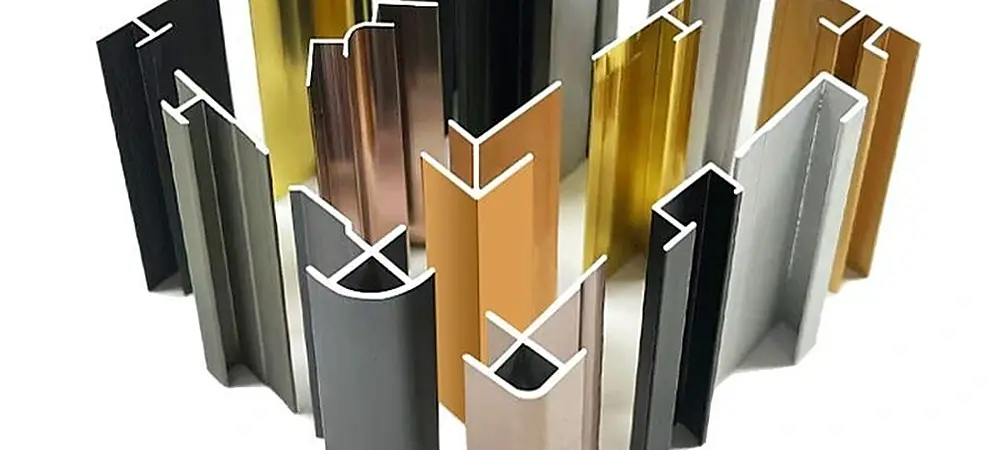

Comparison of Cleaning Methods and Products
If you need to clean something, choose the one that costs the least and works best for you. This is how the big groups look.
Chemical-Based Cleaners
While these work quickly and well, they can be very dangerous if not used right. If you want to get rid of thick grease with an alkaline degreaser, you need to carefully water it down and rinse it off within the time frame that the maker tells you to. And then use them on powder-coated trim profiles. If you don't thin them first, they will crack after a few weeks.
Eco-Friendly and pH-Neutral Alternatives
In the past ten years, building managers in businesses have become more and more interested in organic cleaners that don't change the pH level. Green building maintenance programs are becoming more popular as more LEED-certified buildings open in North America. These tools are easy to add and keep workers safe. They can also be used on sealed metal surfaces.
Mechanical Cleaning Methods
This type of brush can get into deep channels and profile grooves that a cloth can't. Even if the stain looks tough, you shouldn't use a metal brush or a rough pad on it. It is not possible to polish anodized film back to how it was before it was damaged by wear and tear.
Sometimes all three of these work really well. Get the right mix of pH-neutral daily cleaners, IPA to get rid of spot glue, and a soft-brush kit to clean the channels well. This is the most important thing for regular maintenance.
Maintenance Tips to Enhance Durability and Weather Resistance
It's not enough to just clean well. There is a careful plan in place to keep the artistic trim safe as the seasons and weather change.
Set a Cleaning Schedule Based on Environment
Clean the aluminum decorative mouldings every four weeks in places that are close to water or have a lot of moisture. Around the office, once every eight weeks is enough. In a private area that doesn't get a lot of foot traffic, clean the surface every three months. It will stay in good shape without adding to the wear. Being regular is more important than being regular.
Apply Protective Wax or Clear Sealant Annually
Put on a thin layer of aluminum wax that won't scratch just once. There will be even more defense against oxidation and UV light. This is very helpful for profiles that are put up near windows or other places where you can see the outside. Small flaws on the surface are filled in by the wax, and dust doesn't stick to it between baths.
Seasonal Adjustments for Temperature and Humidity
Metal that is out in the cold and ice during the winter rusts more quickly. Check the profiles in places where the temperature changes a lot, like entryways, loading docks, and covered patios, once the cold weather is over. Before the busy season starts, shields should be checked on things that will be in direct sunlight all summer.
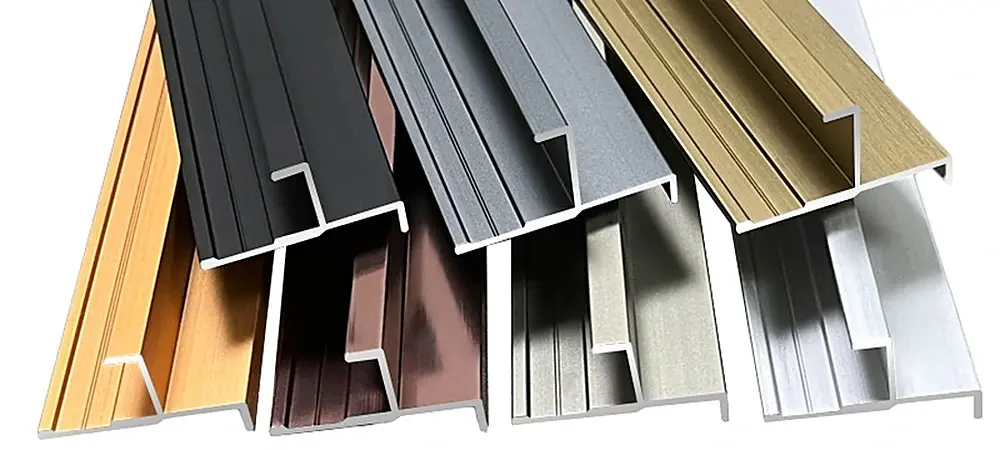
Procurement Considerations for Aluminum Trim Cleaning Supplies
It is smart for wholesalers or OEMs who need to buy a lot of metal profiles to find out how well those profiles work with maintenance goods.
Key Criteria When Selecting Cleaning Products for Bulk Use
When shopping for cleaning products, three things stand out as useful for many people. It should be pH 0 and safe for metal that has been cleaned. For the price per unit to go down, a lot of it needs to be sold at once. Safety Data Sheets (SDS) must be given by the seller to make sure that safety rules are followed. Business buying teams have to do this.
Vetting Your Aluminum Profile Supplier for Maintenance Support
If you buy metal decorative moldings from a certain company, they will give you more than just the moldings. They give you technical paperwork, set-up instructions, and cleaning tips. Ask each company if the metal film is at least 10µm thick. Cleansers and normal wear and tear won't be able to damage the shape as much if it isn't. Things that have CE, ROHS, or ISO 9001:2015 marks on them mean they were made in the right way.
Sample Requests and Trial Orders
Before you place a big order, get some samples. You can trust how a profile works with the tools you normally use to clean more than any specs sheet. If the seller is willing to send samples quickly (7–10 days), it means that their supply chain works well and they are sure the goods they sell are good.
Conclusion
Do not be concerned if you do not possess the necessary equipment or knowledge to effectively clean aluminum decorative mouldings. All you need for most maintenance tasks is a simple calendar, an acid-free cleaner, and a soft cloth. Rough things, strong acids, and bleach cleaning are some of the worst things that can happen to the anodised film over time. Because the coating that comes from the manufacturer is so good, people who work in purchasing and distribution can afford to do long-term maintenance on their tools. The right standards were followed when building a shape that is at least 10 µm thick. They last 12 to 16 years, but if you clean them often, they will last longer.
FAQ
How often should the trim profiles made of aluminum in a business building be cleaned?
Every four to eight weeks, most places of business, like shops, hotels, and offices, clean their profiles. They stay in good shape this way. Because so many people walk through them, places like entrances and food service areas might need to be cleaned once a month. This is because grime and oil tend to build there faster.
What kind of glass cleaner can I use on anodized metal profiles?
If you clean glass with a lot of ammonia, the surface will get dull over time. To stay safe, you should never use cleaners that have ammonia or pH in them. Find out what the cleaner's pH level is on its SDS sheet. The finish might break if it's not between 6 and 8.
Are there eco-friendly ways to clean that can be used for large purchases?
Yes. You can easily find a lot of healthy cleaners that aren't acidic. They work about the same as acidic cleaners for everyday cleaning. This is in line with LEED building management standards that are being used in more and more business projects in North America. A lot of them are approved low-VOC.
What should I do if the surface of the profile starts to rust?
To clean the scratched area, use a metal polish that won't scratch and a soft cloth. The outside will no longer rust. Some kinds of rust can damage the anodized film if they are deep or cover a lot of surface area. Talk to the company that sells the profile to find out if the finish can be fixed or if the part needs to be replaced.
Is there a different way to clean powder-coated profiles than anodized profiles?
Most of the time, you should clean it with light soap and a soft cloth and dry it right away. On the other hand, things that stay on powder-coated surfaces for a long time are more likely to hurt them. So, wash off any cleaner quickly. If the seller says it's okay, you shouldn't use IPA on powder-coated items.
Get a Free Sample From ZX — Trusted Aluminum Decorative Mouldings Supplier
ZX (Zhengzhou Zhongxiu Building Materials Co., Ltd.) sells aluminum decorative mouldings that are approved by both CE and ROHS. You can get these trims in lengths ranging from 2.4m to 4m and more than 200 different colors. Standard orders leave our plant in 7–10 days, and we also take large OEM production orders. You can try some for free or find out how much it costs to buy a lot of it right now. You can email us at info@kangdishi.com or go to zhongxiudecor.com with your question.
References
1. Aluminum Association. Aluminum Design Manual. The Aluminum Association, 2020.
2. American Architectural Manufacturers Association (AAMA). Voluntary Specification, Performance Requirements and Test Procedures for High Performance Organic Coatings on Aluminum Extrusions and Panels (AAMA 2604). AAMA, 2021.
3. ASTM International. ASTM B117: Standard Practice for Operating Salt Spray (Fog) Apparatus. ASTM International, 2019.
4. ISO. ISO 2409: Paints and Varnishes — Cross-cut Test. International Organization for Standardization, 2020.
5. Building Research Establishment (BRE). Good Practice Guide: Maintenance of Aluminium Window and Curtain Wall Systems. BRE Press, 2018.
6. National Association of Corrosion Engineers (NACE International). Corrosion Control in the Chemical Process Industries. NACE International, 2016.
Online Message