
Sep 3, 2026
How To Cut Luxury Stone Wall Panels?
At first, cutting artistic stone panels might seem hard, but if you know what you're doing and have the right tools, you can do it like a pro every time. Cutting real marble or granite is very different from working with Luxury Stone Wall Panel systems, especially those made from PVC or WPC composites. Because they are made to be lightweight and scratch-resistant, these engineered panels are easier to work with and cut than natural stone. The key is to know the density of the material (usually between 0.6 and 1g/cm³), pick the right blade, and follow a methodical process that keeps the panel's marble look and waterproof integrity while it's being installed.
Understanding Your Panel Material Before the First Cut
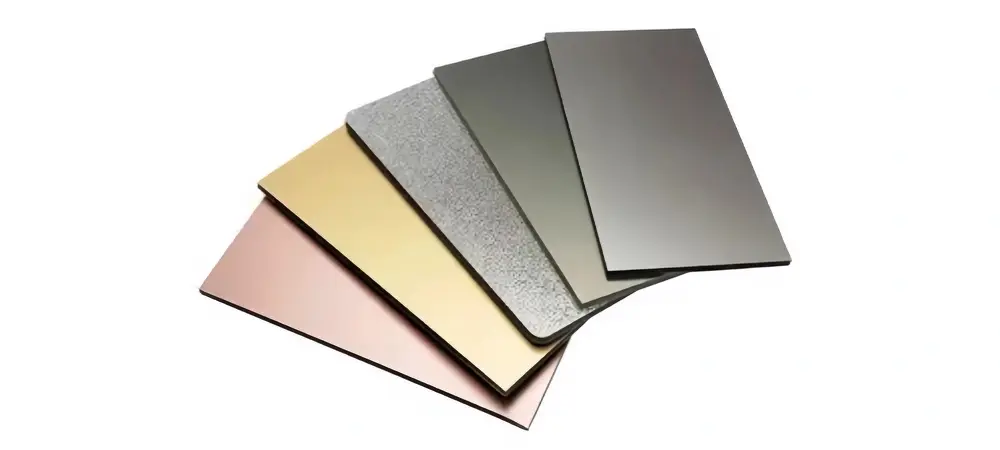
Find out what your panel is made of before you make the first cut. If you're cutting real stone or composite ornamental pieces, you have to do things very differently. The bases of modern engineered wall systems are made of PVC or a mix of wood and plastic. On top of that are decorative layers that look like the veins in Italian marble. These panels are usually between 5 mm and 10 mm thick, and the surface has been treated to keep water out and make it last a long time.
Material Composition Matters
Before you get a knife, measure the panel to make sure it fits. Not the same way that high-density anti-impact panels (which have a density of 9.0g/cm³) are cut, which have a density of about 0.7g/cm³. The top layer, which is usually 0.5mm to 1mm thick, has the marble texture that you see. Cutting this layer is safe so that the damage can't be seen. Real stone can crack when it soaks up water, but engineered stone stays the same size, which makes it easy to cut.
Identifying Panel Construction
A protected top coat, a decorative layer with stone patterns, and a base that holds everything together are what most good decorative wall panels are made of. You can change the speed and pressure of the cut if you know this. You won't have to keep water on premium panels to keep them cool like you do when you cut real stone because they are waterproof. But a little water does help keep the heat and dust from building up.
Weight and Handling Advantages
Because they are about 70% lighter than real marble pieces, artificial stone panels are easier to work with when cutting. Even tho the panels are lighter, that doesn't mean they're weak. If they are made right, they can handle the stress of installation while still being light enough for one or two workers to carry. Cutting tools don't have to work as hard because the structure is so light. This makes it less likely that blades will get stuck.
Essential Cutting Tools and Safety Preparation
The process of cutting Luxury Stone Wall Panel well begins long before the blade touches the material. If you set up your desk right and pick the right tools, you can avoid most installation problems. Decorative wall system workers usually keep a core set of tools that are only used for composite materials.
Primary Cutting Equipment
A circular saw with a fine-toothed blade made for plastics or composites is the best tool for cutting fake stone panels. For 5mm to 10mm thick panels, look for carbide-tipped blades with 60 to 80 teeth. Because it has more teeth, it is less likely that the sides of cuts will break. It is very important to do this when working with panels whose colours and patterns can be changed. Round panels that are 2.44 m, 2.5 m, or 2.7 m long can be cut straight with a table saw. Handheld circular saws, on the other hand, let you make changes on the job site.
Jigsaws can cut in a curved way and make holes for screws or plugs. Use metal cutting blades instead of wood ones. It won't come apart because of the smaller teeth. Score knives are useful for cutting thru thinner panels because they let you score and snap along straight lines without having to use power tools. The breaks should be even, tho, so you will need to practise this method.
Safety Equipment Requirements
You will take in fine dust that you shouldn't when you work with composite panels. You should wear a N95 respirator or a dust mask when you're cutting. Safety glasses keep your eyes safe from things that are moving, and hearing protection is important for long cutting sessions. Cut-resistant gloves let you hold on to panels without reducing your range of motion. However, don't wear them around power tools because they can get tangled up.
Workspace Setup Considerations
Make sure there is a clean, flat surface that can hold the whole length of the panel for cutting. By putting a sawhorse every metre, you can keep the middle of the span from moving, which could damage the blades or make the cuts look bad. There should be enough air flow and light so that you can see the cut lines clearly. To get rid of dust right away, keep a hoover close by. Dull composite panel dust sticks to things and makes them slippery when mixed with water.
Step-by-Step Cutting Process for Clean Results
Precision during the cutting phase decides the quality of the work and cuts down on waste. Professional installation teams use organized methods that keep the structure of the panels and get the exact measurements needed for wall coverage that doesn't show.
Accurate Measurement and Marking
"Measure twice, cut once" is still good advice. To keep the Luxury Stone Wall Panel artistic face from getting cut, use a good tape measure and draw cutting lines on the back of the panel with a pencil. When working with panels that look like luxury marble, you should think about how to match the patterns. Cutting thru large veins could ruin the overall look. Straight lines and carpenter squares make sure that cuts at corners are straight.
Make a cutting template for sizes that are used over and over. This is especially helpful when fitting multiple panels that all have the same edge profiles or outlet cuts. To keep things clear while you're cutting, mark the waste side of your cut line. If you need custom lengths for panels that are longer than 2.44 meters, measure from fixed points instead of the edges of the panels, which may have slight manufacturing differences.
Cutting Technique for Composite Panels
Set the depth of your circular saw blade just above the thickness of the panel—usually 12 to 15 mm for a 10 mm panel. Too much blade exposure makes cuts rougher and raises the risk of kickback. When using a circle saw, put the panel down so that the artistic side is facing down. This is because the blades cut when they rotate upward, so any tear-out will happen on the top surface.
Slowly feed the saw without pushing it; let the blade do the work. When you push too hard, you make too much heat, which can melt composite materials and gum up blade teeth. Keep the speed the same throughout the cut to avoid burns or blade marks. As you get close to finishing, support both sides of the cut line to keep the waste piece from breaking off too soon and damaging the edge of the panel.
Edge Finishing and Deburring
Even smooth cuts leave small bumps or rough spots along the edges of the panel. Sand the sides of cuts with 120-grit paper, making sure you work in the direction of the cut instead of across it. This gets rid of any rough spots on the panel face without hurting it. During installation, edge trims and decorative strips are often used to hide the cut edges. However, proper finishing is what makes sure that the joints are tight and stops delamination from starting at the edges.
Before making any more cuts, make sure that the cut panels fit against the surfaces that will be installed. Walls that aren't perfectly flat may need small adjustments—it's easier to cut off an extra millimeter than to find gaps after glue has been applied. Quality panels have a finish that doesn't scratch easily, so they can be handled carefully. However, don't drag cut edges across finished surfaces.
Post-Cutting Care and Storage Practices
How you handle panels after cutting them is just as important for how well they fit together as how well you cut them. Panel quality stays high during the move from the cutting area to the installation position as long as it is stored and cleaned properly.
Immediate Cleaning Procedures
Use a soft-bristled brush or a dry microfiber cloth to wipe off any loose dust from the panel surfaces. It's important to clean composite panel dust gently because it can scratch artistic surfaces if you rub it hard. Do not clean with water right after cutting—water that gets trapped between stacked panels could make it harder for the glue to stick during installation. Textured surfaces that look like natural stone grain can be cleaned well with compressed air. Don't touch the protective covering with the air nozzle; keep it at least 30 cm away from the screen. Clean your cutting tools between uses because glue or melted composite panel material that builds up on them makes cutting less efficient and makes more heat.
Proper Panel Stacking
Stack Luxury Stone Wall Panel horizontally on a flat surface. Do not lean them against walls, as this could cause them to twist or get lasting bends. To keep the surface from getting scratched, put cardboard or foam sheets between the panels. When using standard-density options of around 0.6 to 0.7g/cm³, keep the stack height low to keep the bottom panels from getting damaged by compression. Panels should be kept in the installation area for 24 to 48 hours before they are finally put in place. This adaptation lets the panels get used to the temperature and humidity of the area, which keeps them from expanding or contracting after they are installed. These engineered panels are better at keeping water and moisture out than natural materials, but they should be stored properly so that the material doesn't have to go thru extra stress.
Waste Management and Offcut Organization
Sort usable offcuts by size—these can often be used to fill in small gaps or as guides for making more cuts. Most of the time, composite panel trash can be recovered thru special plastic recycling programs, but this can vary from place to place. Sort clean offcuts from dusty trash to make getting rid of them and possibly reusing them easier.
Selecting Quality Suppliers and Installation Support
The choice of provider and the support services they offer are often what make the difference between projects that go smoothly and ones that have problems. Suppliers of decorative materials with a lot of experience know that good cutting and installation are the keys to keeping customers for a long time.
Evaluating Supplier Technical Capabilities
When considering panel providers, don't just look at prices. Manufacturers of good products give clear instructions on how to cut their products, including the best blades to use, how fast to cut, and how to finish the cuts. Zhengzhou Zhongxiu Building Materials Co., Ltd. works with big factories that cover 132 mu, so the material specs are the same for all orders. This is very important when you need to cut panels that match setups that are already in place. Suppliers who offer more than 200 surface finish choices show that their production is advanced enough to ensure reliable cutting performance. If the decorative layers are properly bonded to the structural layers, the panels will not delaminate when they are cut. On the other hand, inferior products may separate along the line where the decorative and structural layers meet. Density consistency within given limits (0.6–1g/cm³ for normal uses, up to 9.0 for anti-impact versions) makes sure that all orders will cut in the same way.
Custom Cutting Services and Support
A lot of professional sellers offer pre-cutting services that send you panels that are the exact size you need. This gets rid of the need to cut each panel on-site for big business jobs, which cuts installation time by about half compared to cutting each panel on-site. Custom cutting also gives you access to high-precision CNC machines that can achieve tolerances of +0.5 mm, which is hard to do with portable tools. When problems happen, technical help is important. Suppliers who have experience with installation can help with cutting problems, suggest the right blades for different panel thicknesses, and give advice on how to treat the edges of cuts that are visible. Matching stylistic trims, corner pieces, and transition strips make installs easier by covering up cut edges with parts that have already been finished at the factory.
Certification and Quality Documentation
Suppliers you can trust will give you both ISO 9001:2015 certification, which shows that they have quality management systems, and E0-level environmental certifications, which show that they have low emission profiles. These certificates show that the products were made with precision, which means that they always cut well. Panels that meet international standards have tight tolerances on their sizes, which means there is less waste when cutting them and fewer problems with fitting them during installation. Before placing a big order, ask for example panels. This is especially important when working with new suppliers. Cut test samples with the tools and methods you plan to use to make sure they work together. Quality panels have clean cuts that don't chip too much, keep their adhesive strength after being cut, and don't separate between layers when they are cut into sections.
Conclusion
To cut Luxury Stone Wall Panel well, you need to know how to choose the right tools, follow a methodical process, and understand the material. These days, engineered panels are much better than real stone because they are lighter, easier to work with when cutting, and keep their qualities throughout. Whether you're covering large hotel lobby walls or installing TV background walls in homes, learning how to cut properly will help you get professional results that please clients and cut down on waste. The important thing is to respect the qualities of the material, keep the right blades sharp, and follow organized measuring and cutting steps that keep the panel's artistic surface and structural integrity while it's being installed.
FAQ
What blade type works best for cutting composite stone wall panels?
For PVC and WPC composite pieces that are 5mm to 10mm thick, circular saw blades with 60 to 80 teeth and a carbide tip work best. The small number of teeth keeps the cut edges from chipping, which is especially important for keeping decorative surfaces in good shape. Avoid wood-cutting blades that are too rough and can tear composite materials. Also, replace blades that are getting dull because they produce too much heat that can melt the edges of panels.
Can I cut panels with the decorative surface facing up?
When using circular saws, put panels so that the decorative sides are facing down. This is because the spinning blade pulls the material down, and any tears show up on the top. This method keeps the finish that looks like marble safe. Masking tape should be used along cut lines when scoring or using special panel cutters that cut from the top surface to lower the risk of breaking.
How do I prevent melting when cutting composite panels?
Keep the cutting speed steady and don't push the blade too hard thru the material. Too much friction makes heat that melts materials. Make sure the blades stay sharp and that the depth is set just above the thickness of the panel. To keep the cutting areas cool, some workers use a light mist of water. For thinner panels, tho, this isn't needed if the right method and sharp blades are used.
What's the best way to cut curves or circles in decorative panels?
Metal-cutting blades on jigsaws make it easy to make curved cuts. Move slowly around bends to keep your balance and keep the blade from deflecting, which makes the sides wavy. To make a circle shape for something like a light fixture, drill a starter hole in the waste area, put the jigsaw blade in, and cut around the circle you marked. Hole saws can cut circles with a diameter of less than 100 mm.
Partner With ZX for Premium Stone Panel Solutions
When your projects need reliable artistic wall systems with expert technical support, Zhongxiu Building Materials has all the options you need to make buying and installing them easier. As a top provider of Luxury Stone Wall Panels, we make high-performance composite panels that look like real marble but are 70% lighter than natural stone, fully waterproof, and guarantyd to last for more than 15 years. Our factory-direct model lets you choose from more than 200 surface finishes, lengths that can be changed from 2.44m to 2.7m, and densities that range from normal 0.6g/cm³ to anti-impact 9.0. We ship standard orders within 7–10 days and special orders within 10–15 days, so you can be sure that your project stays on schedule. Throughout the lifecycle of your project, our technical team helps with cutting guidelines, figuring out quantities, and installation. You can visit zhongxiudecor.com or email us at info@kangdishi.com to get samples and talk about how our wall panel systems can improve your home, hotel, or business installs.
References
1. Anderson, T. (2021). Composite Building Materials: Engineering and Installation Practices. Construction Technology Press.
2. Chen, M., & Rodriguez, P. (2022). Modern Wall Cladding Systems: Material Science and Application Techniques. Journal of Interior Construction, 18(3), 112-128.
3. Hoffman, R. (2020). Professional Guide to Cutting and Installing Decorative Panels. Builder's Reference Library.
4. National Association of Interior Finishing (2023). Best Practices for Composite Panel Installation. Industry Standards Publication.
5. Peterson, L. (2022). Comparative Analysis of Natural Stone versus Engineered Wall Panels in Commercial Applications. Architectural Materials Quarterly, 45(2), 67-82.
6. Wilson, K., & Tanaka, H. (2021). Precision Cutting Techniques for Modern Building Materials. Trade Skills Publishing.
Online Message