
Aug 31, 2026
How To Install Fire-Rated Wood Grain Wall Panels?
Installing Fire-Rated Wood Grain Wall Panel that combine fire safety with the beauty of natural wood grain requires careful attention to both aesthetic and compliance standards. When you work with fire-rated wall panels made from PVC and WPC composite materials, you're choosing a solution that self-extinguishes during thermal events while maintaining the warm appearance your commercial spaces demand. These panels use fire-retardant resins that char rather than ignite, meeting commercial building codes without sacrificing the biophilic design elements that reduce stress in healthcare settings and create inviting business environments. The installation process itself proves straightforward when you follow proper protocols, and the pre-finished surfaces eliminate extensive on-site finishing work that typically extends project timelines.
Understanding Fire-Rated Wood Grain Wall Panels
What Makes These Panels Different from Standard Wood?
Due to the high risk of fire in business settings, traditional wood flooring is not allowed in high-occupancy facilities as required by building codes. Our Fire-Rated Wood Grain Wall Panels use cutting-edge composite tech to solve this issue. PVC or wood-plastic composite (WPC) mixed with fire-resistant plastics makes up the core material. When these polymers come into contact with flame, they create a safe char layer that stops the fire from spreading instead of adding fuel to it.
The high-definition wood grain finish that is glued to this fire-resistant core makes it look like real wood. You're not giving up on design to meet safety standards. Our Zhengzhou plant has more than 200 different artistic treatments for panels, such as oak, walnut, maple, and modern gray-wash finishes. This variety lets architects choose materials that fit their vision, and it helps project managers meet fire marshal requirements.
Fire Certification Standards You Need to Know
Standardized testing protocols are used by building inspectors and fire safety officials to judge wall finishes. In North America, ASTM E84 tests check how far a spark spreads and how much smoke it makes. Materials with a Class A grade have the lowest flame spread index, which means they can be used in hallways, doors, and meeting rooms.
These strict tests are done on the panels we make, and we provide approval paperwork that is linked to particular production runs. During inspections, this traceability is important because officials need to make sure that the material that was put in matches the sample that was tested. Every package from ZX comes with the test results and compliance certificates your project needs. Our factory is certified to ISO 9001:2015, which makes sure that the quality is the same from one production run to the next.
Where Fire-Rated Panels Deliver Maximum Value?
The main place where these products are used is in high-occupancy buildings. The combination of fire safety and the calming effect of wood-grain patterns in patient rooms and hallways is good for hospitals. From kindergartens to universities, these panels are required in places where a lot of people gather, like cafeterias, lecture halls, and shared areas in dorms. Fire-rated wall finishes are used in airports, train stations, and other transportation hubs to meet strict public safety codes.
These panels are put up in the lobby, on the walls of elevator banks, and in tenant spaces in commercial office towers. As long as the composite core doesn't let water in, the material works well in both basement installations and seaside buildings. This is because water would normally cause wood to warp or delaminate. Shopping centers like how quickly the installations can be done, which keeps nearby renters from being affected by renovations.

Preparing for Installation: Key Considerations
Site Assessment and Substrate Evaluation
Before the panels get to the job site, you should walk the installation area with the leader of your crew. Check the walls to make sure they are structurally sound. Because imperfections can be seen thru thin wall panels, the base needs to be flat within the standards set by the industry. Small flaws can be fixed with leveling compound, but major damage needs to be fixed before installation can start.
Check the substrate's moisture level, especially in installations below grade or on outdoor walls that tend to condense. Even tho Fire-Rated Wood Grain Wall Panels are much better at keeping water out than wood, too much moisture on the base can weaken adhesive ties. Write down the fire-stopping means that are already in place around penetrations, expansion joints, and the outside of the building. To keep the wall assembly's fire-resistance grade, your builder has to work with other trades to make sure the right details are done.
Tools and Materials Checklist
Most installation jobs can be done with standard carpentry tools, but carbide-tipped saw blades are recommended because of the high-density core material. With these special blades, you can make clean cuts that don't chip the artistic surface or crack the core. For length cuts, you'll need a table saw or track saw. For fastening, you'll need a pneumatic brad nailer or construction adhesive, and for layout work, you'll need measuring tools like a laser level.
The panels come in normal sizes of 1.2 meters and can be ordered in lengths of 2.44 meters, 2.5 meters, or 2.7 meters, so they can fit most room heights with little waste. Choose glues that are approved for use in fire-rated assemblies. Some building sealants lose some of their bond strength when temperatures rise or fall. To keep the assembly's fire resistance, fire-rated sealants must be used around the edges and inside holes in panels. Eye protection, dust masks, and hearing protection are still required during the construction process.
Selecting Your Supplier Partnership
Getting materials on time is important for keeping to project deadlines. When looking at sources, make sure you check their methods for quality control and their ability to make things. Our Zhengzhou plant has three connected factories that use more than 300 specialized molds to make customization quick and easy without having to wait for longer lead times. Standard orders are shipped ten days after they are confirmed, and there are smart inventory backups to support project needs in case of emergencies.
Before placing a full order, ask for samples. You can check the color accuracy, surface texture, and uniformity of dimensions thru physical assessment. We send samples all over the world so that your team can test the materials in the field to make sure they work well in your application. Suppliers who know about business building are different from those who just move products because they offer technical help during the specification and installation process.
Step-by-Step Installation Guide for Fire-Rated Wood Grain Wall Panels
Layout Planning and Material Optimization
A well-thought-out layout plan that cuts down on seams and waste is the first step to a successful installation. Carefully measure the room's size and make a panel layout drawing that shows how the full panels and cut pieces will fit on each wall. Arrange the panels so that they are centered on the main walls and the cut pieces are pushed to the sides or less noticeable areas.
Think about the gaps that will form during expansion at the floor, ceiling, and corners. Changing temperatures can affect composite materials, and buckling can be avoided by giving them enough space. To get regular horizontal alignment, use a laser level or a chalk line to draw level lines on the walls. This basic planning work takes less than an hour and keeps mistakes from happening during installation that cost a lot of money.
Fastening Methods That Preserve Fire Ratings
No matter what connection method you choose, the Fire-Rated Wood Grain Wall Panel must still work well in a fire. When the conditions of the base allow for safe anchoring, mechanical fastening with finishing nails or screws can be used. Space screws according to the manufacturer's instructions. Along the sides of the panel, they should be 30 to 40 centimeters apart, and across the field, they should be 60 centimeters apart.
Construction adhesive lets you put things together faster and with fewer visible fasteners, but you need to make sure it has the right fire ratings. Use continuous beads or serpentine patterns to apply the adhesive so that it makes full contact without squeezing out too much. Panels are held in place by temporary support while the glue cures. Some setups use both ways together, with adhesive as the main bond and mechanical fasteners to add extra support while the glue cures.
Cutting and Fitting Techniques
Before cutting, measure twice. Costs of materials and project schedules for panels don't allow for careless mistakes. To keep cuts from vibrating, use sharp carbide blades and support panels the right way. If you want to keep the surface from chipping, cut with the decorative face up on a circle saw and face down on a table saw, based on the shape of the blade teeth.
Fitting inside and outside corners must be done carefully. Clean corner changes can be made with 45-degree miter cuts, but this method needs precise cutting and fitting. You could also butt one panel into the corner and cut the next panel to fit. Trim pieces and edge moldings that you can get from suppliers make corners look nice without having to do a lot of complicated carpentry. Cut the pieces just a little too small around the edges so that sealer can be used to keep the fire ratings.
Post-Installation Inspection and Documentation
Do a full inspection of the site before the project team leaves once the panels are in place. Make sure that all the seams line up correctly and that the screws are either flat with the surface or just below it. Check that the expansion gaps meet the requirements and that the sealant fills all the necessary spaces. Use the right cleaners that won't damage the finish to get rid of any adhesive residue or installation marks on the panel surfaces.
Take pictures of the finished walls, corner features, and seam lines to keep track of the installation. This picture record is useful for warranty claims or future maintenance. Gather all the certifications, test reports, and product specs and put them in the project records. During final checks, building officials often ask for this paperwork, and having well-organized records speeds up the approval process.
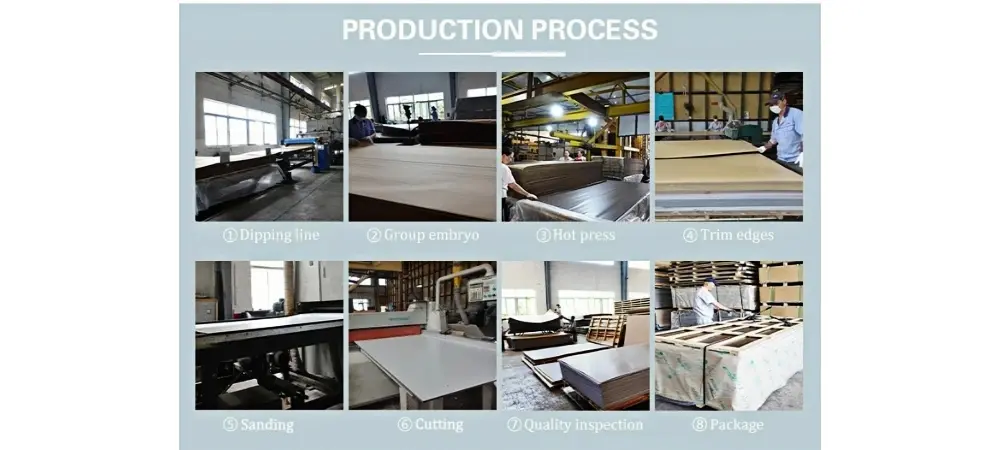
Maintenance and Longevity of Fire-Rated Wood Grain Wall Panels
Routine Cleaning Protocols
The right way to clean is the first step in proper upkeep. Because these panels don't absorb water, they are easy to clean with wet cloths or light soaps. Do not use rough cleaners or strong chemicals that could damage the protective layer on the surface. The UV-cured finish that was added during production makes it scratch-resistant, but rough scrubbing will wear it down over time.
Make sure that the cleaning products you use won't damage the panel finish in healthcare settings where strict disinfection rules apply. Most screens can handle bleach solutions that have been dampened and hospital-grade disinfectants. Setting up cleaning procedures during the handover of a building makes sure that the maintenance staff knows how to take care of it properly. Cleaning the panel regularly gets rid of dust and dirt that would otherwise build up in the wood grain textures. This keeps the surfaces looking new for more than 15 years.
Damage Repair and Panel Replacement
Even tho Fire-Rated Wood Grain Wall Panels are very strong, they can get damaged by moving equipment, construction work, or accidents. Touch-up markers that are the same color as the panel can often be used to hide small scratches and scuffs. When damage gets worse, panels need to be replaced, which is easy for the modular installation system to do.
Carefully take out the fasteners and cut any adhesive ties to remove the broken pieces. Use the same steps to install replacement panels as you did the first ones. The hard part is matching old pieces. UV light and cleaning slowly change the look of the panel, separating new parts from the rest of the material. If you can, order extra panels when you first buy them and store them in the same way that the fitted material was. This will help you get better color matches when you need to replace the panels.
Long-Term Performance Monitoring
Plan regular checks, paying special attention to areas that get a lot of use, areas that tend to get wet, and places where panels meet other parts of the building. Make sure that the expansion gaps stay open and that the seals don't break. Movement problems that need to be fixed are shown by gaps that are too small or not there at all. Sealants that don't work should be replaced right away because they lower fire ratings.
Keep an eye on the temperature and humidity inside, especially in rooms where the humidity changes often. Even tho these panels can handle water much better than wood, any building material can be stressed by extreme or changing conditions. Regular inspections record performance, which is used to plan for the whole life of an asset and make the most of maintenance budgets.
Comparing Fire-Rated Wood Grain Wall Panels with Alternatives
Performance Against Traditional Wood Panels
Solid wood paneling has the look and feel of real wood, but it doesn't meet fire safety standards for business installs. Wood can be made more fire-resistant thru treatment methods, but treated wood rarely performs as well as engineered materials. Our panels have the look of wood without the safety concerns that come with burning it.
Composite panels are much easier to install than other types of panels. The surfaces are already finished when they arrive, so you don't have to sand, stain, and seal them like you do with wood paneling. Savings on labor on a normal business job usually cancel out any differences in the cost of materials. Another benefit is that it is stable in terms of dimensions. When the humidity changes, composite panels don't expand and contract like solid wood does. This means that there are fewer calls for gaps and buckling.
Metal and PVC Alternatives
Metal walls are very durable and don't catch fire easily, but they don't add warmth to a room like wood grain does. Healthcare facilities, schools, and places that serve food and drink are especially looking for materials that make spaces feel warm and welcoming. These design goals can't be met with cold metal surfaces, so wood-grain composites are better, even tho they cost more.
Standard PVC wall panels are good at keeping out water and are easy to clean. Fire-rated wood grain panels are the same way. The thing that sets them apart is how well they handle fire. Basic PVC panels don't have any fire-retardant chemicals added to them, which can help the flame spread. This problem can be fixed by upgrading to fire-rated versions, and the wood grain finish makes the space stand out from the standard institutional PVC installations that are common in low-budget projects.
Emerging Eco-Friendly Fire-Resistant Materials
Sustainability concerns are becoming more and more important in choosing materials. Modern Fire-Rated Wood Grain Wall Panels are made with WPC formulas that contain recycled content. This is better for the earth than making new materials. Because these systems last more than 15 years, they don't need to be replaced very often, which lowers the environmental impact over their whole life.
Mineral-based panels made of magnesium oxide boards are another environmentally friendly choice that is becoming more popular. These products are very good at resisting fire and being environmentally friendly, but they usually need to be finished in a different way before they can be used for decoration. Our panels' integrated finish gets rid of this step, which saves time and money while still doing the same good job for the environment. Procurement managers can meet project requirements and company environmental goals by being open about where materials come from and how they are made.
Conclusion
To put Fire-Rated Wood Grain Wall Panels correctly, you need to pay attention to planning, use the right tools, and use good materials. These panels are great for business settings where safety rules need to be met along with design goals because they look good and protect against fire. When you know what the base needs, use the right tools and adhesives, and follow a set of steps for fitting, projects go smoothly from getting the materials to the final inspection. Keeping up with regular care keeps the panel's good looks and fire-resistant qualities for a long time. Specification problems can be turned into competitive advantages for your projects by choosing an experienced supplier with full technical support and on-time delivery.
FAQ
How do I verify fire ratings on delivered materials?
There should be certification papers for each shipment that are specific to the production batch. Check for test results from reputable labs that show ASTM E84 results or results that meet similar standards. The documents must list the model number and manufacturer of the tested Fire-Rated Wood Grain Wall Panels. Each order comes with batch-specific paperwork from our quality control team, which lets you connect installed panels directly to tested samples. During inspections, keep these papers handy because building officials need proof that the materials used match the allowed specs.
Can these panels be installed over existing wall finishes?
Installing over existing surfaces relies on the state of the substrate and the standards of the fire code. Using the right materials, panels can be put up on smooth, sound surfaces like drywall or plaster. Textured surfaces might need skim coating to make sure they stick well. Covering up existing finishes is sometimes against the rules in building codes if it makes hidden spaces that can catch fire or lowers the wall assembly's fire resistance rating. Before installing a patch, check with local officials to make sure you're following the rules.
What makes panels show gaps after installation?
The most common reason is that there weren't enough expansion gaps when the product was being installed. When the temperature goes up, composite materials expand a little. When panels are pressed up against walls, floors, or corners, heat expansion can cause stress that can bend panels or pop fasteners. Make sure there is enough space around the edges at all times, and fill any holes with a bendable fire-rated sealant. Conditions on the spot are also important. If you put up panels before the HVAC systems have stabilized the building's temperature, you might have problems after things get back to normal.
Partner with ZX for Your Fire-Rated Wall Panel Projects
Purchasing managers and project leaders in charge of commercial installations should be able to work with suppliers in ways that make it easier to find what they need and guaranty quality. ZX is an expert in making Fire-Rated Wood Grain Wall Panels, and our factory in Zhengzhou has been making them for over 30 years. We keep a large stock of standard setups, which lets us ship most orders in 10 days or less. Our 300+ specialized molds allow for customization without having to wait for longer lead times. Our dual-inspection quality method finds problems with materials before they get to the job site. This keeps projects on schedule and protects your image.
Looking for a Fire-Rated Wood Grain Wall Panel manufacturer you can trust that knows how hard business building can be? Email our team at info@kangdishi.com to talk about your particular needs. We give you examples to look at, detailed information for applying for permits, and installation instructions that make your teams' work easier. Visit zhongxiudecor.com to see all of our products and learn how direct factory relationships can help you get the materials your projects need without having to deal with middlemen.
References
1. National Fire Protection Association. (2021). NFPA 101: Life Safety Code - Requirements for Interior Finishes in Commercial Occupancies. Quincy: NFPA Publications.
2. American Society for Testing and Materials. (2020). ASTM E84-20: Standard Test Method for Surface Burning Characteristics of Building Materials. West Conshohocken: ASTM International.
3. International Code Council. (2021). International Building Code Chapter 8: Interior Finishes - Fire Performance Criteria for Wall and Ceiling Materials. Washington: ICC Publications.
4. Green Building Council. (2019). Sustainable Material Selection in Commercial Construction: Lifecycle Assessment of Composite Wall Panels. Washington: USGBC Research Division.
5. Fire Protection Research Foundation. (2022). Comparative Fire Performance of Wood-Grain Composite Panels in High-Occupancy Buildings. Quincy: FPRF Technical Reports.
6. Building Research Institute. (2020). Installation Best Practices for Fire-Rated Interior Wall Systems in Healthcare and Educational Facilities. Washington: National Institute of Building Sciences.
Online Message