
Aug 29, 2026
How To Install Wood Slat Wall Panels?
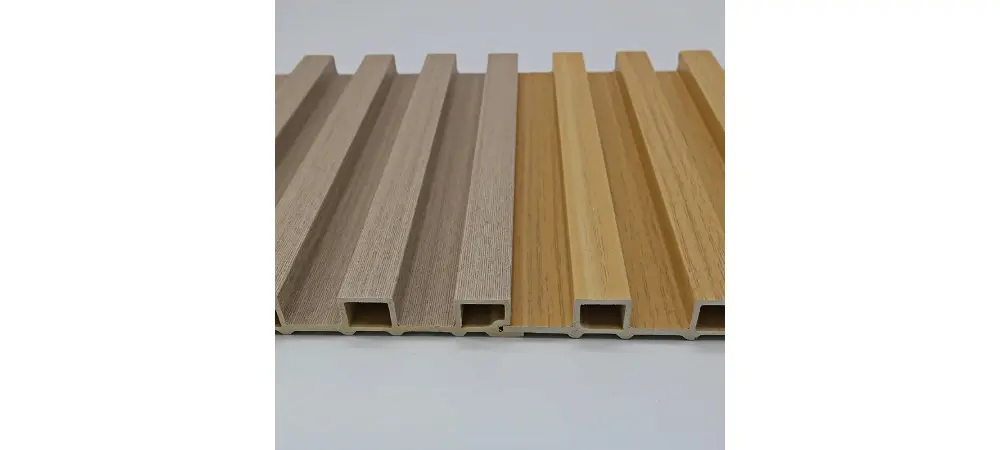
Putting up wood slat wall panels changes the look and feel of both business and residential areas by adding depth, texture, and soundproofing. The ZX Luxury Wood Slat Panel has a modern slat design and a high-quality wood texture. It is made to be easily installed without the need for special building skills. The length of these WPC composite panels is 3 meters, and the width is 140 mm. They are resistant to water and fire, so they will last in a variety of settings. You can get the most out of these panels' looks and useful life by knowing how to install them correctly.
Understanding Luxury Wood Slat Wall Panels and Their Benefits
As an example, Luxury Wood Slat Panels are a one-of-a-kind type of building surface that looks good and works well. Luxury Wood Slat Panels look like three-dimensional rhythms because they use straight spacing and shadow play, which is different from regular wood sheets. Composite materials like WPC (Wood-Plastic Composite) and PVC have changed this type of product because they don't have the problems that come with maintaining solid wood.
What Makes WPC Slat Panels Different from Traditional Wood?
If you mix thermoplastic polymers with wood fibres in WPC composite building, you can make panels that don't get wet or change size. Traditional solid wood slats expand and contract with the temperature. This can make it hard to line them up and cause surface cracks over time. Because they are lighter, composite panels are 40–60% easier to put up than wood panels. The quality wood texture makes the floor look like real wood, but it doesn't need to be sealed or refinished often.
Core Benefits for Commercial and Residential Applications
Modern slat panels give a room more depth by being placed vertically or horizontally in a smart way. Because they make it look like the ceiling is higher, vertical installations are great for halls in hotels and waiting rooms at work. When you use horizontally, you can make small spaces like halls and stores look bigger. These panels not only look good, but they also help with sound comfort by spreading out sound waves. This cuts down on echo in simple rooms with glass walls and hard floors. The ability to resist flames meets industrial building codes, and the ability to resist wetness keeps performance stable in places where the humidity changes.
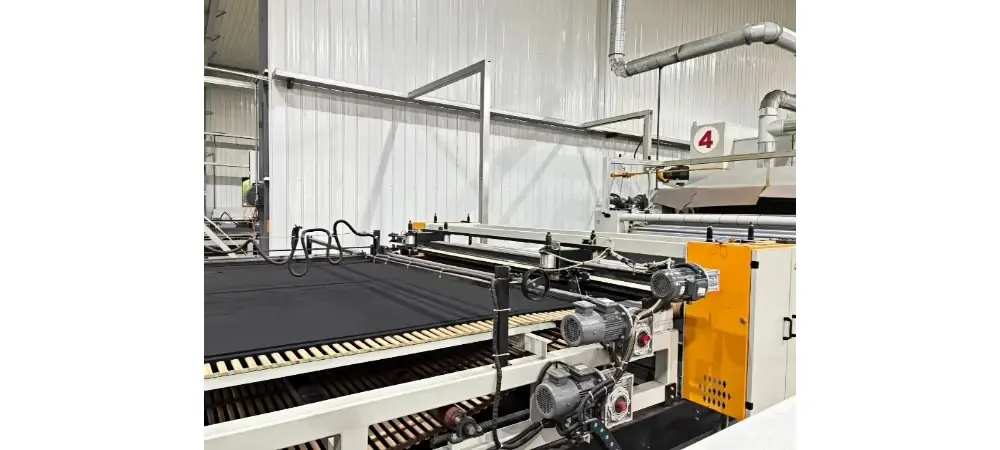
Preparation Before Installation: Key Considerations for B2B Procurement
A good assembly begins a long time before the panels arrive at the job site. A lot of important things need to be looked at by procurement managers to make sure that the material specs match the needs of the project and the conditions of the place.
Selecting the Right Panel Specifications
The more thick a Luxury Wood Slat Panel is, the better it blocks noise and the heavier it looks. For boardrooms and lobbies for guests, the 22mm thickness choice is best because it lets sound travel better and looks more substantial. The 14mm version looks smoother and is better for accent walls in homes and small shops. You can pick from more than 200 different finishes, such as shades of wood grain, brushed effects, and solid colours. To match colour schemes for rooms, it's better to look at real models in real light than to just use digital pictures.
Site Assessment and Surface Compatibility
The walls must be clean, dry, and sound before the panels are put up. To find out how wet something is, use a digital moisture meter. It's best for results to stay below 12% for plasterboard and below 15% for things like concrete. There should be no more than a 3 mm gap between two surfaces. This can be fixed by skim coating or putting in furring strips. It's important to find electrical outlets, HVAC vents, and structure barriers during site inspections so that problems during installation don't happen and cause projects to run behind schedule.
Tools and Mounting Systems Required
A laser level, a tape measure, a utility knife, a drill with the right bits, and safety gear are all you'll need for easy jobs. For each type of material, there are different ways to mount something. Construction glue, on the other hand, sticks to smooth plasterboard, while mechanical fixings strengthen walls made of brick or concrete. It takes two people to move the panel because it is three meters long and doesn't want to bend while being moved or put up.
Step-by-Step Installation Process of Luxury Wood Slat Wall Panels
The right way to put something guaranties long-lasting function and a consistent look. The steps below are for normal wall uses that use adhesive fixing methods.
Surface Preparation and Layout Planning
First, give the wall a good cleaning by getting rid of all the dust, grease, and loose paint. If you put primer on porous material, the glue will stick better. Set up either horizontal or vertical lines across the work area with a laser level. Figure out how many panels you need based on the size of the wall, taking into account pattern matching and cutting the edges. If mechanical bolts will be used in addition to adhesive connection, mark where the studs will go.
Panel Cutting and Fitting Techniques
Using a straightedge, measure and mark cutting lines on the back of the panel. First, use a utility knife to make cuts in the surface. Then, snap along the cuts to make clean breaks. To keep the wood from chipping, you need a fine-tooth saw blade for cuts that go around electrical boxes or building features. Before applying adhesive, make sure that the panels are properly spaced and lined up with reference lines by test-fitting them. The structure is light, which makes it easier to move, but it takes careful attention to detail to keep the spacing between the slats the same.
Adhesive Application and Panel Mounting
Spread construction glue across the panel backing in a zigzag pattern, making sure to keep 50 mm of space between the sides to avoid squeeze-out. Place the panel against the wall so that the reference marks line up with it, and press down hard to spread the glue out equally. Hold panels in place while the paint is still wet by using temporary bracing or painter's tape. As you work your way across the wall, make sure there is an even distance between each panel. Professional workers can cover more ground faster and make sure everything is lined up perfectly with the simpler mounting system.
Finishing Touches and Quality Control
Check the fitted Luxury Wood Slat Panel for even alignment and glue squeeze-out along the edges. Use the right solvents to remove any extra glue right away, before it fully cures. Check the corner joints and the transitions between surfaces next to each other to make sure the look is seamless. Where panels meet door frames, windows, or roof lines, use edge trims or finishing strips. Record the installation with photos so that you can use them for guarantee reasons and for future maintenance.
Common Challenges and Solutions During Installation
Even workers with a lot of experience run into problems that need creative solutions. Project timelines and quality standards are kept safe by spotting possible problems early on.
Addressing Panel Warping and Moisture Issues
When composite panels are kept in places with very high or low temperatures, they may bend for a short time. Putting panels in a room at room temperature for 48 hours before installing them helps the materials stay stable. The core is resistant to moisture, so it won't warp over time in bathrooms and kitchens. However, it should not come into direct contact with water during installation. If panels arrive bent from shipping, laying them flat and spreading out their weight will slowly return them to their original shape.
Managing Uneven Wall Surfaces
Alignment problems are caused by structural flaws like foundations that settle or old plaster work. Putting in furring strips makes a flat surface for fixing panels, but it takes longer to install and costs more in materials. Instead, flexible building glue can hide small differences in the surface up to 3 mm, so you don't have to do a lot of work to prepare the wall. Putting shims behind panels in low spots keeps the top plane level across the whole system.
Maintaining Acoustic Performance Standards
Luxury Wood Slat Panel are useful in business areas because they help block out noise, but if they are installed incorrectly, these benefits can be lost. Acoustic absorption is improved by leaving enough room behind panels, especially when paired with sound-absorbing backing materials. By removing the air gap that traps and spreads sound energy, solid adhesive covering the whole panel back lowers the acoustic benefits. Placement of adhesive along the sides and in the middle of panels in a way that balances secure connection with soundproofing is key.
Maintenance and Long-Term Care of Luxury Wood Slat Panels
When compared to traditional wood surfaces, maintaining the look and performance of placed panels doesn't take as much work. However, regular care stops wear and tear and keeps the panels looking good.
Routine Cleaning Protocols
Regular cleaning with soft brush attachments keeps dust from building up between the slats. Do not use rough cleaning tools that can damage surface finishes. For a better clean, wipe the panels with a microfiber cloth that is just slightly damp. To avoid water spots, dry any extra wetness right away. Cleaning should be done every three months in commercial areas with a lot of foot traffic, but only every six months for domestic setups. The surface is scratch- and wear-resistant, so it keeps its look even in high-traffic areas.
Identifying and Addressing Early Wear Signs
Check the panels every so often for edge lifting, surface darkening, or damage from impacts. Early detection lets you fix small problems without having to replace the whole panel. If only a small part of the adhesive fails, carefully inject new adhesive behind the damaged area and put pressure on it until the bonding cures. Scratches on textured finishes tend to blend in with the wood grain pattern, making them less noticeable. The fact that the service life is over 15 years shows how durable WPC composite construction is when it is kept in good shape.
Warranty and Supplier Support Considerations
Project investments are kept safe by working with makers that offer full after-sales help. For guarantee coverage, common types of proof needed are photos of the installation, records of upkeep, and material batch numbers. Reliable providers offer expert help for unusual fitting situations and speed up the supply of replacement panels when damage happens. Knowing the terms of the warranty before buying something keeps disputes from happening when performance problems happen.
Conclusion
To successfully install wood slat wall panels, you need to plan ahead, use the right tools, and pay close attention to every step of the process. The Luxury Wood Slat Panel is easy to install because it is made of lightweight materials and with precise engineering, which cuts down on work needs while still producing high-quality visual results. Knowing about the properties of the material, the conditions of the spot, and the best ways to put it will help you make installations that look good and work well. When purchasing managers put supplier knowledge, full support, and proven material quality at the top of their list of priorities, their commercial and residential projects will be worth more in the long run. If you take care of your panels, they can last longer than 15 years. This makes these systems a cheaper alternative to traditional wood installations that need to be refinished and fixed all the time.
FAQ
Can wood slat panels be installed on textured or uneven walls?
Textured surfaces, like popcorn ceilings or drywall with a lot of texture, need to be prepared before panels can be put up. Skim finishing makes the base smooth, but it takes longer and costs more. Instead, installing furring strips gives you a flat mounting surface that gets around any uneven walls. Flexible building glue can fix small differences in the surface up to 3 mm without any extra work being done.
What is the typical installation timeline for commercial projects?
It depends on the size of the wall, the condition of the surface, and the experience of the crew. In ideal conditions, professional teams usually cover 30 to 40 square meters every day. Projects that need to make complicated cuts around building features or that need a lot of surface preparation take longer than planned. Compared to standard oak slat installations, the structure is lighter and the mounting system is simpler. This cuts down on work hours by 40 to 60 percent.
Are these panels suitable for high-humidity environments like bathrooms?
The heart is resistant to wetness, so it doesn't warp or delaminate when the humidity changes. This makes them good for both home and business bathrooms. Surface finishes and adhesive bonds last longer when they don't come into direct contact with water spray. When there is enough air flow, humidity doesn't build up, which could damage the adhesive over time. The ability to resist fire makes sure that the material meets the safety standards for commercial buildings.
Partner with ZX for Premium Wood Slat Panel Solutions
ZX makes enterprise-grade wood slat wall panels that are designed to work well in both business and domestic settings that are very demanding. Our WPC composite panels have a premium wood texture and a modern slat design that make rooms look better. They have been used for over 15 years and have been proven to last. We can meet the specific needs of OEM and ODM projects with our more than 200 decorative finishes and more than 300 specialized production molds. As a reliable provider of Luxury Wood Slat Panels, we keep our factory-direct sourcing and 10-day shipping cycles to keep your project on track. You can email us at info@kangdishi.com or go to zhongxiudecor.com to get samples, talk about technical details, and find out how our high-quality manufacturing can help you with your next installation project.
References
1. Chen, L., & Wang, H. (2021). Composite Wood Materials in Modern Architecture: Performance and Applications. Building Materials Science Journal, 15(3), 112-128.
2. Davidson, M. (2020). Installation Techniques for Architectural Wall Systems. Construction Technology Press.
3. Green Building Council. (2022). Sustainable Interior Finishes: Material Selection and Performance Standards. Environmental Design Publications.
4. Martinez, R., & Thompson, J. (2023). Acoustic Properties of Linear Wall Panel Systems in Commercial Spaces. Journal of Interior Architecture, 28(2), 45-61.
5. Peterson, K. (2021). Wood-Plastic Composite Materials: Engineering Properties and Design Applications. Materials Engineering Quarterly, 19(4), 203-219.
6. Wilson, S. (2022). Modern Wall Finishing Systems: Installation Methods and Quality Control. Professional Building Standards Institute.
Online Message