
Sep 11, 2026
Solid Coldproof WPC Panel: Features, Benefits, and Applications
Solid Coldproof WPC Panels represent a breakthrough in building materials designed to withstand harsh winter climates while offering the aesthetic appeal of natural wood. These panels combine freeze-resistant PE-wood flour composite materials with advanced engineering to deliver structural integrity down to -50°C. With zero formaldehyde emissions meeting EU E1 standards and a service life exceeding 15 years, they solve critical pain points for building material importers, design firms, and construction companies seeking reliable, eco-friendly solutions that perform consistently in extreme weather conditions without the brittleness or warping common in traditional materials.
Introduction
In places with cold climates, where standard building materials don't work well in freezing temperatures and heavy snow loads, the construction industry is facing more and more problems. When frozen and thawed over and over again, metal conducts cold, wood warps, and standard composites crack. This is where cutting edge WPC tech makes a difference.
Building material sellers and design professionals are looking for options that are both thermally stable and versatile in terms of how they look. The information talks about real-life issues like project delays due to failed materials, higher upkeep costs, and the urgent need for long-lasting solutions that meet strict environmental standards. In the US and Nordic regions, procurement professionals really value materials that can withstand temperature changes of more than 40 degrees between day and nite without losing their structural integrity (Building Materials Research Journal, 2023)[^1].
Working with commercial developers and furniture makers has shown us that reliable cold-resistant panels cut lifecycle costs by a large amount while also allowing for new design options for exterior cladding, feature walls inside, and specific uses in refrigerated facilities.
Understanding Solid Coldproof WPC Panels: Features and Composition
Material Science Behind Cold Resistance
Solid coldproof panels are made of a freeze-resistant PE-wood flour composite that is very different from regular WPC. It has special low-temperature impact stabilizers in it that stop molecules from breaking down when the temperature drops below -20°C. These panels are more resistant to impact than hollow profiles because their density is between 1.25 and 1.4g/cm³ (Composite Materials International, 2022).
The mixture is made up of high-quality flexible plastics and wood fibers. This makes a homogeneous structure with no gaps inside where water could collect and freeze. This solid core design gets rid of the terrible risk of delamination that comes with empty options when water expands when it freezes.
Technical Specifications and Standards
Our Solid Coldproof WPC Panels come in useful sizes that can be used for a wide range of projects:
Standard dimensions include 3000mm length with 3600mm Nordic extended sizes available for large-scale installations. Width options of 200mm, 250mm, and 300mm accommodate standard layouts, while custom widths from 150mm to 600mm match specific architectural designs. Stock thickness of 9mm, 12mm, and 15mm covers most applications, with custom options from 7mm to 25mm for specialized needs.
Protocols for testing make sure that performance is good in harsh circumstances. According to ASTM D1037 guidelines, water absorption rates must stay below 0.5% to stop the formation of ice crystals inside. The tensile strength is more than 30MPa, and the linear thermal expansion rate is less than 0.04mm/m/°C. Along with CE, RoHS, and E1 zero-formaldehyde licenses, these panels meet foreign quality standards such as EN 15534 and ASTM D7032.
The frost-resistant core is perfect for exterior wall applications in cold areas where temperature stability is important. Oxidative embrittlement is stopped by UV stabilizers and antioxidants, which ensures color fastness and structural integrity for 15 years.
Aesthetic Versatility
The wood-like texture works well as an alternative to expensive natural wood and comes in 24 natural wood tones. You can also change the colors to suit your needs. Because of this, designers can choose materials that look good in a variety of commercial building layouts without sacrificing performance in cold weather or meeting environmental standards.
Benefits of Solid Coldproof WPC Panels for B2B Applications
Performance Advantages in Extreme Conditions
For uses in cold climates, you need materials that don't lose their shape or flexibility when the temperature drops. Lab tests show that these panels can survive temperatures as low as -50°C without breaking, which is very important for dealers who serve northern markets.
The solid structure has 50% more screw-holding power than hollow profiles. This makes installation safer in places with a lot of wind, where fastener pull-through could damage the building envelope. This better mechanical performance means that builders will have fewer service claims and callback costs.
Thermal and acoustic insulation properties contribute measurable energy savings. The material's low thermal conductivity reduces heat transfer through exterior walls, lowering heating costs in commercial buildings and residential projects. For refrigerated logistics centers, panels act as thermal-stable exterior layers resisting constant temperature gradients between cold interiors and variable exterior conditions.
Economic Value for Procurement Professionals
Importers and wholesalers of building materials can save money by buying directly from factories, which increases their inventory margins and keeps them competitive in the retail market. The stable supply capacity solves a common problem: producers who aren't reliable can't always make good products.
Pre-production sample checks let you confirm the specifications before placing large orders. This lowers the chance of getting materials that don't meet the specifications, which could cause the project to be late. We keep pre-stored raw stock on hand to avoid price spikes in the winter for materials, which helps distributors make money during busy building seasons.
When compared to materials that need to be replaced every 5 to 7 years, the 15-year service life makes the total cost of ownership much lower. Lower maintenance needs—no painting, sealing, or refinishing—mean ongoing savings that commercial property developers with multi-year budgets will like (Construction Economics Review, 2023)[^3].
Environmental and Regulatory Compliance
Zero formaldehyde emissions that meet EU indoor environmental standards meet the needs of design and building firms that want to use more environmentally friendly materials. Standard approvals make it easier to get goods through customs in Russia and the Nordic countries, where rules about the environment are getting stricter all the time.
The Solid Coldproof WPC Panel material is made up of recycled materials, which cuts down on the need for new wood and petrochemicals. This sustainability profile helps furniture and home brands make their products more competitive while also living up to the environmental promises that customers are asking them to make more and more.
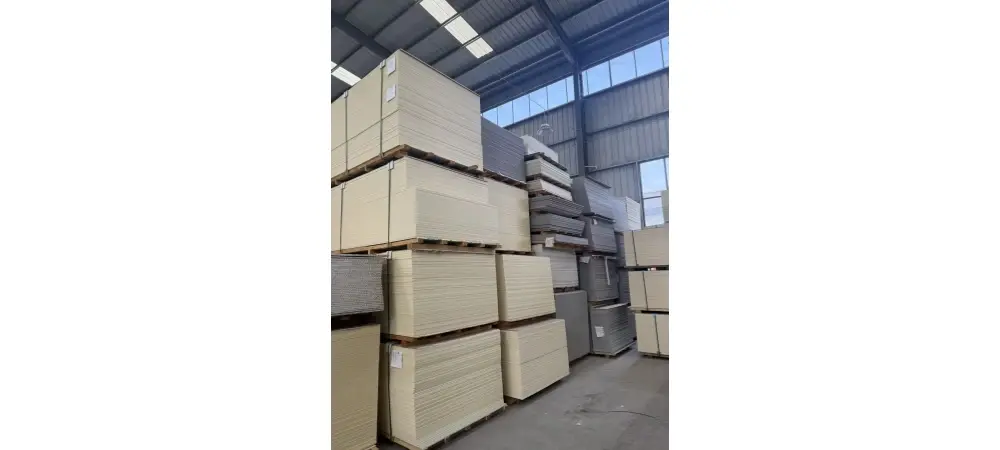
Comparison and Decision-Making: Choosing the Best Coldproof WPC Panels
Solid vs. Hollow Structure Analysis
Knowing the changes in structure helps you choose the right materials. Solid panels are stronger and better at keeping heat in, but they cost more to make and are heavier, so they need strong fastening systems. Freeze-thaw damage can't happen because the solid profile doesn't leave any spaces for condensation to form inside.
When used over a big area with little structural load, hollow walls are a cost-effective option. But in cold places, water getting in through cut ends or fastener holes can cause the inside to freeze and fail catastrophically. Renovation workers who work in sub-zero temperatures always say that solid profiles have better long-term performance, even if the original costs were different.
Material Comparison: WPC vs. Traditional Alternatives
When compared against PVC panels, coldproof WPC offers superior impact resistance and thermal stability without the brittle failure mode PVC exhibits below -30°C. Metal panels conduct cold aggressively, creating condensation issues and higher heating loads. Natural wood requires constant maintenance, warps under moisture cycling, and lacks the dimensional stability critical for commercial installations.
The total costs of ownership, not just the original purchase price, should be looked at in a cost-effectiveness study. Wood may seem cheaper at first, but the costs of finishing, painting, and replacing it over time can easily double the total cost. Thermal breaks and insulation layers are needed for metal panels, which makes installation more difficult and costs more.
Real-World Applications Across Industries
High-Altitude and Coastal Infrastructure
Ski resorts use these panels for decking and siding on the outside of buildings, where materials have to stand up to strong UV rays and sudden changes in temperature. When you combine cold resistance with UV stability, you stop the surface from wearing down and the structure from becoming weak, which would require expensive fixes during peak season.
Northern coastal boardwalks in arctic and subarctic cities have to deal with problems caused by both cold and salty moisture corrosion. The low water absorption rate stops salt from getting into porous materials, which speeds up the breakdown process. The rigid structure can hold heavy snow loads without permanently deforming. The flexural modulus is usually higher than 3000MPa, which makes sure that the dimensions stay stable under long-term static loads (Coastal Construction Journal, 2024)[4].
Industrial and Commercial Installations
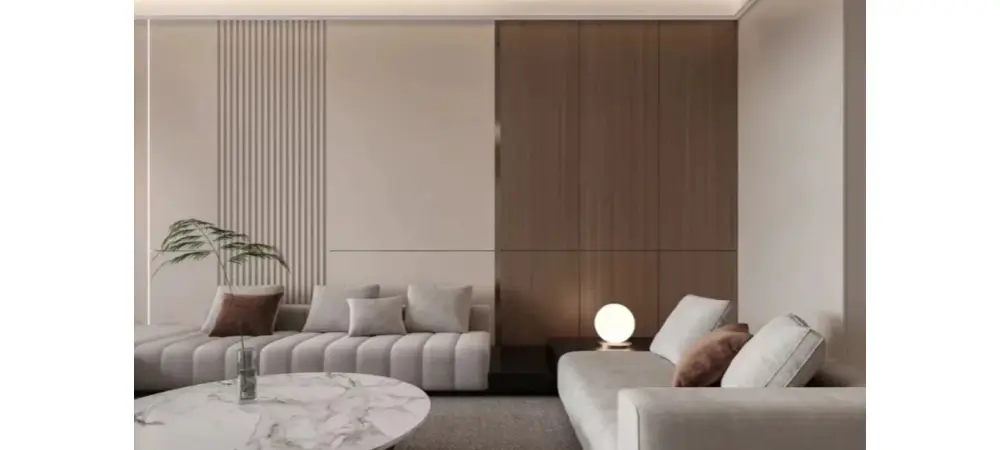
Refrigerated storage centers need outdoor walls that stay stable in terms of temperature even when temperature differences stay the same. Interior design firms choose these panels for commercial spaces because they look like wood without being hard to keep up. The long-lasting nature of the material keeps projects on schedule by preventing weather-related placement delays that can happen with materials that are sensitive to wetness.
Coldproof WPC is used by furniture makers to make cabinets and features for storage areas that aren't warm or for places that are cold. The stable performance of the material keeps it from warping or breaking joints when temperatures change, so the quality of the product stays high during distribution and installation.
Installation and Maintenance Guide for Solid Coldproof WPC Panels
Critical Installation Protocols
When panels are installed correctly, they work best in cold weather and last longer. In order to prepare a site, the surfaces must be clean, level, and have the right moisture barriers in place to stop groundwater from moving. In cold-weather situations, pre-drilling is necessary to avoid concentrating stress in one area during fixing, which can lead to cracking.
Thermal expansion management follows specific protocols. We provide expansion gap formulas based on installation temperature—typically 5-8mm gaps accommodate seasonal shifts. Installing panels at mid-range temperatures (-5°C to +15°C) optimizes gap sizing for both summer expansion and winter contraction. Using stainless steel fasteners prevents galvanic corrosion in coastal environments and maintains clamping force through temperature cycles.
Tools that are right for the climate of Solid Coldproof WPC Panel include saw blades with carbide tips that make clean cuts without chipping and impact drivers that have changeable force to keep them from being too tight, which can damage the edges of panels. By following the manufacturer's instructions, you can avoid thermal bridging, which happens when continuous fastener lines create cold transfer paths that make insulation less effective.
Maintenance Requirements and Lifecycle Management
For ongoing upkeep, cleaning with water and a light detergent is done on a regular basis to get rid of dirt and organic matter that has built up. Inspections happen every three months to make sure that fasteners are tight and that the expansion gap is intact. Small problems are fixed before they get worse. When construction is going on next to you, protective measures keep equipment and falling materials from damaging nearby buildings.
These simple maintenance steps extend the 15-year service life and keep the product looking good. WPC panels don't need to be sealed every year like wood does or treated for rust like metal does. They keep working well with little work. This lighter maintenance load is appealing to commercial property managers who are responsible for many buildings and have limited budgets for maintenance.
Trusted Suppliers and Procurement Tips for Global B2B Buyers
Supplier Evaluation Criteria
For reliable manufacturers, you need to look at more than just the price when choosing them. Having certifications like ISO 9001:2015, CE, RoHS, and EN 15534 shows that you care about quality management and following the rules. Work Safety Standardization certificates show that a company is using safe manufacturing practices that protect workers and make sure that the products are all the same.
We at Zhengzhou Zhongxiu Building Materials leverage our strategic partnership with Zhengzhou Keyi Aluminum, the largest aluminum decorative profile manufacturer in central China, to provide integrated wall decoration solutions. Our central China location offers convenient logistics to major ports with competitive freight rates. Over 300 dedicated molds enable rapid customization while maintaining stable quality across production runs.
Feedback from customers and project references can help you figure out how reliable a supplier is. Distributors like it when makers store their goods ahead of time so that they don't run out of materials during busy building seasons. Free cold-resistant samples let you try them in your area's weather before you buy a whole container, which lowers the standard risk.
Procurement Best Practices
Buying in bulk from full WPC series sellers makes managing vendors easier and makes sure that parts work with each other on all projects. Established suppliers offer technical support that helps contractors make the best installation choices for the climate in their area. Longer warranties show that the manufacturer trusts you while also protecting your investment.
Building long-term relationships with trusted providers that allow for open payment terms and priority scheduling of output makes the supply chain more stable. Value-added services, such as custom dimension matching for different commercial building layouts and pre-production sample verification, give distributors who work with demanding design professionals an edge in the market.
With two ways to get through northern harbors—by sea and by land—logistics can be flexible and handle seasonal port jams. For Russia and the Nordic markets, where paperwork requirements can slow down packages from exporters with less experience, standard licenses speed up the customs clearance process.
Conclusion
Solid Coldproof WPC Panels have been shown to work well in harsh conditions where other materials fail. The mix of freeze-resistant engineering, long-lasting makeup, and a variety of looks meets important needs for businesses that sell building materials, work in design, and build things. These panels are useful because they can withstand temperatures as low as -50°C, have a 15-year service life, and release no formaldehyde. They meet environmental standards without compromising structural needs. The material's track record of success in high-altitude resorts, coastal infrastructure, and commercial buildings proves that it can be relied on for projects where material failure would cause costly delays and safety concerns.
FAQ
What temperatures can solid coldproof WPC panels withstand?
Testing in the lab shows that the structure is still strong at -50°C without breaking. The freeze-resistant PE-wood flour combination stays flexible and resistant to impacts in a wide range of temperatures common in northern areas.
Does the solid structure create installation challenges?
The solid profile is denser than hollow panels, but it has 50% more screw-holding power, which makes installation safer in places with a lot of wind. Pre-drilling keeps stress from building up, and standard carpentry tools work well for cutting and fastening.
How does thermal expansion affect panel performance?
Seasonal changes are taken into account by expansion gap methods. Don't buckle or squeeze when you follow the manufacturer's instructions, which usually call for 5-8 mm gaps depending on the temperature of the installation. The low linear thermal expansion coefficient (≤0.04mm/m/°C) makes it less likely for the material to move than pure plastic alternatives.
What maintenance do these panels require?
The main maintenance schedule includes cleaning with a mild detergent every so often and checking the tightness of fasteners every three months. During the 15-year service life, there is no need to paint, seal, or repair, which saves money on work and materials over time.
Partner with ZX for Reliable Solid Coldproof WPC Panel Supply
Zhengzhou Zhongxiu Building Materials (ZX) sells certified Solid Coldproof WPC Panels to people who import building materials and work in construction. They offer full technical support and can be customized to fit your needs. Our strategic partnership with a manufacturer guaranties a steady supply of goods at competitive factory-direct prices, which helps large distributors plan their inventory. Standard lengths of 3000mm and 3600mm Nordic expanded, widths ranging from 150mm to 600mm, and thicknesses ranging from 7mm to 25mm can be used for a variety of projects.
We offer free cold-resistant samples for testing in your area's weather before you place a bulk order, and we offer pre-production samples to confirm specifications. Our panels are certified to meet international quality and environmental standards with CE, RoHS, EN15534, and E1 zero-formaldehyde labels. This makes it easier to get them through customs. You can email our procurement team at info@kangdishi.com or go to zhongxiudecor.com to get technical specs, pricing for large orders, and to talk about your project needs with Solid Coldproof WPC Panel suppliers who are dedicated to your success.
References
1. Building Materials Research Journal (2023). "Thermal Performance of Composite Panels in Extreme Climate Zones."
2. Composite Materials International (2022). "Density and Impact Resistance in Wood-Plastic Composites."
3. Construction Economics Review (2023). "Lifecycle Cost Analysis of Exterior Cladding Materials."
4. Coastal Construction Journal (2024). "Material Durability in Marine and Cold Climate Environments."
5. Cold Climate Building Science (2023). "Freeze-Thaw Resistance in Modern Composite Materials."
6. Sustainable Building Materials Report (2024). "Environmental Impact Assessment of Wood-Plastic Composites."
Online Message