
Nov 5, 2026
Uncover the endless possibilities of WPC wall panels for any room
A wood plastic composite wall panel combines wood flour with PVC or PE resin to give interior walls the look of timber without the upkeep. I find it works in nearly every room, from hotel corridors and restaurant dining areas to villa bedrooms, apartment living rooms, and office reception areas. The panels resist moisture, mold, and termites, and they come in wood grain, marble, and decorative film finishes. In this guide, I explain how the material is built, where it fits, how it compares with other wall finishes, and what buyers should check before ordering.
Understanding WPC Wall Panel Materials and Construction
What a Wood Plastic Composite Wall Panel Is Made Of
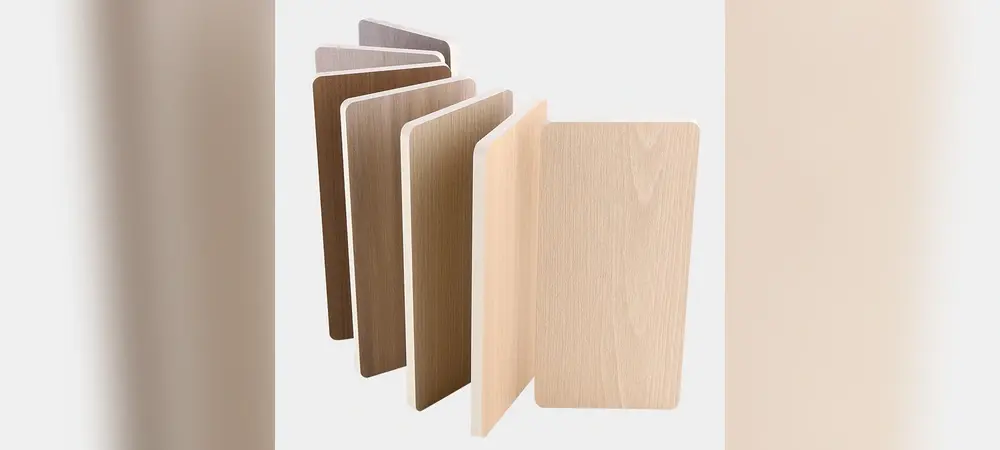
When thermoplastic glue is mixed with wood grain, wood-plastic composites are made. More information about this mix can be found in Klyosov's Wood-Plastic Composites (2007). Our panels are made from boards that are made from wood flour and PVC/PE plastic. They are 5 to 8 mm thick. The wood flour makes the board look and feel good. The resin keeps the fibers together and keeps water out of the board, so it stays round even when the temperature changes. The marble or wood grain design is then added with a pretty film. All of the boards have the same color and pattern because the pattern is put on top. That's helpful when you need to see the whole office or hallway at once.
Hollow, Solid, Capped, and Uncapped Constructions
How a panel works is affected by how it is put together. A lot of WPC shapes are hollow, which makes them lighter and easier to move around on the job site. When it comes to impact resistance and keeping screws and adhesives in place, solid shapes are better. The outside of capped boards is protected, but the outside of open boards is not. Our wall panels come in a range of densities. More dense boards, for instance, are good for places where carts, chairs, and bags might hit the wall. There is no need for as many things on the wall of a bedroom as there are on the wall of a busy hotel hallway. If you want to make a lot of them, I think you should test your idea with a small group of people first and then make a lot of them.
Safety, Emissions, and Environmental Profile
More care should be taken with safety. There are limits on the amount of formaldehyde that hardwood plywood, MDF, and particleboard can release into the air in the US (Formaldehyde Emission Standards for Composite Wood Products, 2016). This shows how seriously the government takes the air quality inside. The SGS says that our wood plastic composite wall panel is safe and meets the ENF/E0 zero-formaldehyde standards. The rooms can be used right away after the panels are put up because they don't have any VOCs. That works in private rooms, nurseries, and daycares for kids. Because each WPC product is different, you should always get test results from more than one provider. Walls don't need to be changed as often because our panels last longer than 15 years.
The Main Benefits and Applications of WPC Wall Panels
Moisture, Mold, and Termite Resistance
It's not always easy to finish walls when they're wet. Paint and MDF both have flaws, and wood that hasn't been cleaned can rot or get bugs. If you put our panels in a kitchen, bathroom, or basement, they won't get mold or termites, and the surface won't get wet either. To find out how much water plastics soak up, ASTM D570 (Standard Test Method for Water Absorption of Plastics, 2018) is often used. I tell people who are buying panels to ask for data on how much water each panel absorbs. Keep in mind that a wall with a waterproof surface will only be safe if the cuts and joints are kept clean. It's important that the tools are clean, the glue is right, and the walls are dry. I don't think our panels would look good on empty walls outside because they are made to be used inside.
Where These Panels Work: Hotels, Restaurants, Homes, and Offices
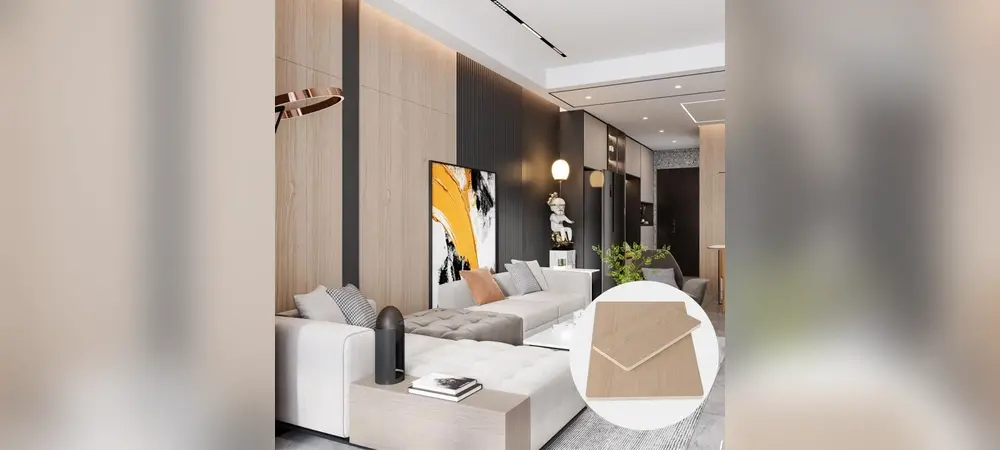
Our clients use these screens in restaurants, hotels, villas, flats, businesses, and to fix up their own homes. Hotel rooms should use these because they are simple to clean and keep their color. They're often put on bed walls and in hallways for guests. Wood grain panels are used in restaurants to make the areas where people eat feel cozy and make it easy for the staff to clean up. They are put up on the walls of living rooms and bedrooms in homes and apartments. They are used in office front desks and meeting places. When it comes to renovations, adhesive installation is best because it doesn't need a lot of demolition or long drying times. Widths come in 1220 mm sizes, and lengths come in 2.44 m, 2.7 m, or 3 m sizes. We cut the lengths to fit different jobs, which keeps trash to a minimum on-site.
Design Ideas for Every Room
To begin, every room should have one clear area. A full-height wood grain wall behind the TV in the living room makes it feel cozy. Hallways and waiting rooms look sleek when they are finished in marble. The bedroom looks good with soft matte tones. Going panels up and down makes the ceilings look higher. This is because lines that are very tall make the eye go up. Adding rhythm is easy with trims and layouts that are two tones apart. You can finish a wall in the same color family if you use our aluminum skirting boards, grilles, and trims. You can pick from more than 200 finishes, such as matte, UV gloss, and natural wood grain. This means that every brand or hotel design brief can be met.
WPC Wall Panels vs. Alternative Wall Finishing Materials
WPC vs. PVC Wall Panels
Because they are cheap, light, and waterproof, PVC wall panels are good for small jobs and places that can't handle a lot of freight. The plastic and wood flour are mixed together in a wood plastic composite wall panel. Things that have wood added to them tend to be stiffer and look more like wood (Wood-Plastic Composites, 2007). WPC boards can also be made with more layers for places that will be hit. If the job is for a spot that won't get much use, PVC might be enough. I believe a thicker WPC board would be better if patients, guests, or customers touch the wall every day. The choice depends on how many people use the wall, what the designer wants, and how long the owner wants it to last before they have to get a new one.
WPC vs. Natural Wood
In a high-end home, natural wood is hard to beat because it has real grain and can be sanded and restained. You have to be careful. Every so often, you should protect and restore wood. It can swell, crack, or attract bugs when it's hot or wet. When you print wood grain on WPC board, you don't have to stain or sand it, and the pattern stays the same from board to board. This helps you match colors faster and better on big jobs with lots of rooms that are the same. If the design calls for real wood, I would only use it on a small area to make a statement. For the rest of the walls, I would use WPC.
WPC vs. MDF, Tile, and Paint
The EPA has rules about the formaldehyde MDF gives off, and it only works in controlled, dry rooms. However, it swells up when water gets to its core. These tiles last a long time, but they need to be set by professionals and given time to dry. In faraway places, it can be hard to find skilled workers. It's easy to paint, but it doesn't last long. In places that get a lot of use, you have to paint over it. We use glue to stick the panels on, common woodworking tools to cut them out, and hidden tongue-and-groove joints to line up the boards. That cuts down on the time and number of experts needed for installation. Painting or putting in new tiles in a lot of units at once saves people time on each floor.
How to Choose and Install the Right WPC Wall Panel
Key Specifications to Check Before Ordering
Start with the room. Does the inside feel hot, dry, or busy? Then do what was asked of you. The width we offer is 1220 mm, and the thickness we offer is either 5 mm or 8 mm. You can ask for lengths other than 2.44 m, 2.7 m, and 3 m. Decide on the number based on traffic, and then finish based on what the designer had in mind. Before you make a lot of them, ask for a sample to make sure you like the color, feel, and edges. After that, find out how much it costs to put in everything, not just the panels. Things like trims, glue, work, trash limit, freight, and any import taxes should be added. It is easy to compare quotes that put these things next to each other. This will also keep you from being surprised at the port.
Installation with Adhesive and Trims
The wall is the first part of a clean installation. Make sure each panel is flat, dry, and sound before putting it up. If there are any wet spots, fix them. The tongue-and-groove joint between boards next to each other keeps them straight, and the use of glue saves time and effort. Simple craft tools are used to do the cutting. If your provider tells you to leave extension gaps, do so. Weather and humidity can make any combination move a little. To hide the sides and ends that were cut, use I-trims, edge trims, and border boards that go with it. Before the group leaves, check the wall's fit, surface marks, corners, and joints. This short list helps you find problems quickly, while they are still easy to fix.
Common Purchasing Mistakes
Most people make the mistake of choosing a panel based only on its price. You might not save any money if the sizes aren't even, the surface films aren't strong, the edges are missing, or extra pieces are thrown away. Putting an indoor panel in direct sunlight or rain is another mistake. They are made to be used inside. Also, people buy things without the fire paperwork that the local building codes say they need. You should ask for the test record that shows that our screens meet the fire safety standards in your area. They are Class B1 fire-resistant. Finally, sign off on a sample, make a note of the insurance terms, and keep track of the batch numbers. A lot of orders are sent to more than one place, and small differences between batches can be seen in many rooms. These steps protect those orders.
Buying WPC Wall Panels from a Global Supplier
What a Capable Manufacturer Should Show
Because pictures of goods only tell part of the story, I study how a factory works. Around 132 machines are used by ZX (Zhengzhou Zhongxiu Building Materials Co., Ltd.) to make things worth more than 12,000 yuan every day. Also, they have more than 300 molds for OEM and ODM work. Part of quality control is checking things at random before they are shipped and inspecting the company itself. Before every package goes out, our quality expert checks it six times. Checks for CE, ISO, and quality come with the panels. Companies that sell goods should be required to show paperwork that shows how they control raw materials, shape, finish the surface, pack, and ship their goods. That's why we welcome tours of our plant both online and in person. Seeing these steps for yourself will give you more trust.
Lead Times, Payment Terms, and Shipping
There are three main things that people who want to buy a project look at: the price, the date, and the payment terms. Orders for everyday use are sent out in 7 to 10 days. Orders for custom projects or large projects take 10 to 15 days. You can use Western Union, L/C, D/A, D/P, T/T, or even Western Union to pay us. The MOQ can be changed. Asia, the Middle East, Europe, North America, South America, Africa, and Australia are all places we ship to. Our export team helps with paperwork, getting goods through customs, and sending them to other countries. I tell buyers to get written plans for production and delivery, to agree on the Incoterm right away, and to make sure they understand how the goods will be packed. A clear schedule and lots of paperwork protect the installation schedule and cut down on port delays.
A Practical Supplier Checklist
Before I accept a seller, I look into them three times. The expert review confirms the type of room, the size, the density, the performance in wet conditions, the fire paperwork, and the way the panels were installed. The price per square meter, the amount of trash that is allowed, the minimum order size, the terms of customization, the wait time, packing, shipping, and promise are all listed. In the study of the supplier, the qualifications of the business are looked at, along with its experience exporting, quality control, certifications, and work recommendations from other projects. With the help of a short written list, teams working on buying things, technical issues, and money can all agree on the same set of rules. It's easier to make deals because all offers are reviewed by the same standards. We're happy to give you facts, examples, and papers for every step.
Conclusion
The two main parts of a wood plastic composite wall panel are wood flour and resin. It doesn't let water in and doesn't let mold or bugs grow on it. The finish looks like wood or marble. The size of it stays the same. The structure, density, and surface film all affect how well something works. Test reports should back up safety claims like ENF/E0. These panels can be used in businesses, homes, hotels, restaurants, and flats and houses. They are better than PVC, natural wood, MDF, tile, and paint when it comes to water, care, and building work. To make a good choice, check that the measurements fit the room, look at examples, and add up how much it will cost to put everything. After that, a project's ability to stay on schedule is based on the suppliers' skills, lead times, payment terms, and export paperwork.
FAQ
1. Are WPC wall panels waterproof?
Our panels can be used inside in kitchens, bathrooms, and basements because the surface is waterproof and bugs and mold don't grow on them. If the cut edges and joints aren't well sealed, water can still get in. Be careful when putting them together. They shouldn't be used on outdoor walls that are completely open, in my opinion.
2. What sizes and finishes can I order?
Everyplace, 1220 mm is the width. It can be 5 mm or 8 mm thick and comes in lengths of 2.44 m, 2.7 m, and 3 m. You can pick from more than 200 finishes, and you can even ask for colors, sizes, and finishes that are just right for you.
3. How long does production take?
Free shipping takes 7 to 10 days. It takes 10 to 15 days for big jobs and orders that are made just for you.
4. Are the panels fire-retardant?
They can handle Class B1 fires and put them out on their own. Please ask for the test results that meet the rules for buildings in your area.
5. How do I install them?
After making sure the wall is dry and flat, glue the pieces together. Cutting the boards is easy because they are lined up with tongue-and-groove joints that are hidden.
Request Wood Plastic Composite Wall Panel Samples from ZX
Ready to plan your next project? ZX is a wood plastic composite wall panel supplier offering 1220 mm panels, custom lengths, 200+ finishes, and export documentation support. Send your size, finish, and quantity to info@kangdishi.com, and we will reply within 24 hours with sample options and a project quotation.
References
1. Wood-Plastic Composites, Wiley, 2007
2. Wood-Plastic Composites in the United States: The Interfacing of Two Industries, Forest Products Journal, 2002
3. Formaldehyde Emission Standards for Composite Wood Products, U.S. Environmental Protection Agency, 2016
4. Standard Test Method for Water Absorption of Plastics (ASTM D570), ASTM International, 2018
5. Wood–Plastic Composites as Promising Green-Composites for Automotive Industries, Bioresource Technology, 2008
6. Two Technologies Merge: Wood-Plastic Composites, Reinforced Plastics, 2004
Online Message