
Oct 22, 2026
What Fire Rating Should a Wood Grain Wall Panel Have?
If you're specifying interior wall finishes for a hospital corridor, school hallway, or commercial lobby, fire performance is not optional — it's a code requirement. A fire-rated wood grain wall panel combines the visual warmth of natural timber with engineered flame-retardant properties, making it the preferred solution for high-occupancy spaces. According to ASTM E84 testing standards, panels used in commercial interiors typically need a Class A rating, with a Flame Spread Index (FSI) of 0–25 and a Smoke Developed Index (SDI) of 0–450. Getting this right protects lives, passes inspections, and keeps your project on schedule.
Understanding Fire Ratings for Wood Grain Wall Panels
What "Fire Rating" Actually Means for Wall Panels
A fire rating tells you how a substance reacts to fire by measuring how quickly the fire spreads across its surface and how much smoke it makes. ASTM E84, which is sometimes called UL 723, is the most important standard in the United States. It divides interior finishes into three levels: Class A, Class B, and Class C. In Europe, projects use the EN 13501-1 Euroclass system, where ratings range from A1 (non-combustible) to F (no performance determined).
It is important for procurement professionals who buy things from many markets to understand both frameworks. A fire-rated wood grain wall panel certified under ASTM E84 Class A satisfies the International Building Code (IBC) and NFPA 101 Life Safety Code for most high-occupancy occupancies [¹]. For projects going to the EU, Euroclass B or C approval meets the CE-marking standards. These ratings can be reached with panels made of PVC and WPC composites mixed with fire-resistant resins. The panels will still look like wood grain, which is what builders and building managers want.
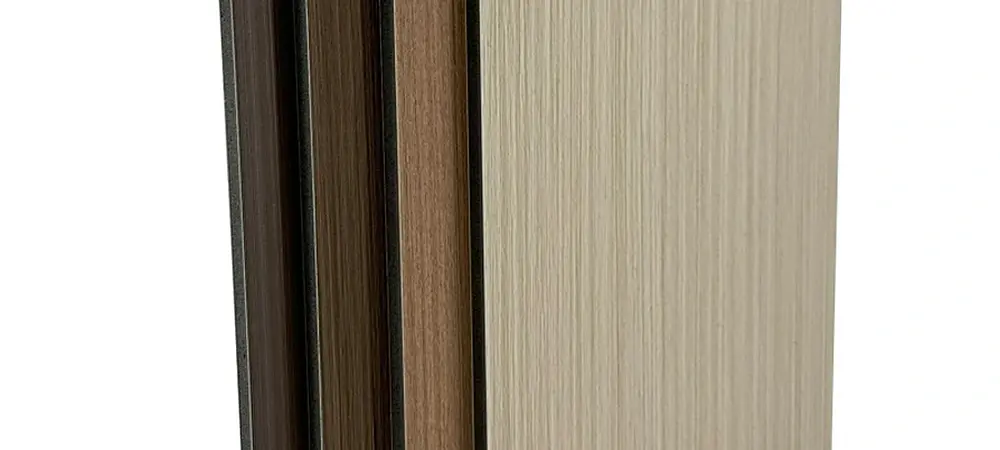
Key Fire Resistance Ratings for Wood Grain Wall Panels
Class A, B, C — Which One Does Your Project Need?
Once you connect the classification system to the type of occupancy, it's easy to use. In real life, each level fits into the following ways:
- Class A (FSI 0–25, SDI 0–450): Required in hospitals, schools, airports, high-rise business buildings, and public meeting rooms, stairwells, and hallways. This is the standard for any area where quick escape is important [²].
- Class B (FSI 26–75, SDI 0–450): This level is acceptable in some rooms of business buildings that aren't sprinklered, but most project requirements call for Class A at the very least.
- Class C (FSI 76–200, SDI 0–450): Only usable for low-risk home uses. Not good for places where people get medical care, learn, or gather in public.
Picking the wrong tier of fire-rated wood grain wall panel is not only a mistake in planning, but it can also make a fire marshal's approval useless. Class A is the only acceptable level for walled hallways in pediatric wards, dementia care units, or airport lounges. Euroclass B provides the same level of security for business projects involving countries in the Middle East, Southeast Asia, and Europe.
A school renovation project in a mid-sized U.S. city clearly shows the compliance benefit: the general contractor got rid of a costly fire-barrier upgrade requirement by replacing standard painted drywall with Class A–rated wood grain composite panels in the hallways, which saved both time on the schedule and money on materials.
Comparing Fire-Rated Wood Grain Panels with Alternatives
Safety, Aesthetics, and Total Cost of Ownership
At first, a lot of procurement managers wonder if the extra cost of fire-rated panels is worth it compared to normal wood grain finishes or other materials like metal and plastic. When you add in insurance, durability over time, and how well it was installed, the calculation changes a lot.
Before you sign off on a design, you should think about these main trade-offs:
- Fire-rated composite panels vs. untreated wood grain panels: Untreated wood can have FSI values above 200, which means it is not suitable for almost any business space. With fire-rated panels, this risk is completely eliminated while keeping the same look.
- Fire-rated composite panels vs. metal panels: Metal is non-flammable, but it's not very quiet, it condenses in damp places, and it doesn't come in many different styles. Composite panels fill in all three of these gaps.
- Fire-rated composite panels vs. fiberglass: fiberglass works well in damp places, but it usually needs special tools to be installed and has rough surfaces that don't feel warm or inviting.
These comparisons lead to the same conclusion: for commercial interiors, fire-rated wood grain composite panels offer the best balance of code compliance, design flexibility, and long-term maintenance cost. The per-unit cost advantage grows over a usual 15-year service life when bought in bulk for projects that span multiple sites.
Installation, Maintenance, and Longevity
Preserving Fire Rating Integrity Through Proper Installation
The certified fire rating of a panel only applies if it is placed according to the tested assembly method provided by the maker. Cutting through the substrate with the wrong blade, not applying enough adhesive, or using trim profiles that don't work with the substrate can all lower the performance that was tested. When cutting high-density cores, it's best to use saw blades with a carbide tip to get clean cuts without tiny cracks at the edges of the panels.
Maintenance is limited but planned. Once a year, the sides of the fire-rated wood grain wall panel should be looked at to make sure they stay sealed, the surface lamination doesn't show any delamination or popping, and any mechanical damage is fixed with materials that work with the rest of the panel. If you clean it regularly with a damp cloth and gentle soap, you can keep the wood grain finish and the fire-resistant features underneath without hurting the coating on top.
Panels made from PVC and WPC composites with fire-resistant resins last longer than 15 years. Supplier certifications should be batch-traceable, which means that the test report should only talk about the specific production lot that was sent to your site and not just a license for the whole product family [⁵].
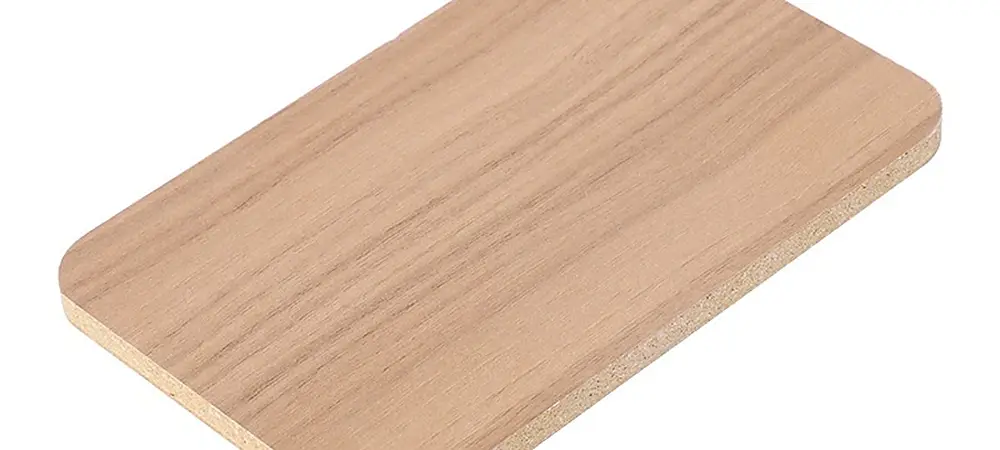
How to Procure the Right Fire-Rated Wood Grain Wall Panels
Evaluating Suppliers, Certifications, and Lead Times
When working on a project with a tight deadline, procurement workers need a source who can provide both legal paperwork and reliable inventory. When looking at a possible source, put these checks at the top of your list:
- Batch-specific ASTM E84 or EN 13501-1 test reports, not just product brochures
- E0 formaldehyde emission certification for environments serving children or patients
- ISO 9001:2015 quality management certification covering the actual production facility
- Confirmed lead times — standard orders shipping within 10–15 days for international projects
Another practical choice is between custom and standard panel sizes. Most business uses standard widths of 1.22 m and lengths of 2.44 m, 2.5 m, or 2.7 m. However, projects with non-standard ceiling heights or feature wall designs can benefit from shortening the length to fit their needs without having to meet a minimum order quantity. The most reliable way to check the quality of the surface, the density, and the consistency of the edge finish is to ask for physical samples before placing a full order [⁶].
Conclusion
Choosing the right fire rating for a fire-rated wood grain wall panel is not something that can be done during the final review of the project's "punch list." It affects the choice of materials from the very beginning of the design process. Class A under ASTM E84 is still the standard for most commercial interiors in the U.S., while Euroclass B meets the needs of international projects. In addition to the rating, the decision to buy depends on batch-traceable certification, resistance to moisture, ease of installation, and a supplier quality system that has been proven to work. According to experts, the best long-term investment for high-occupancy buildings is panels that char instead of burning, don't let water in, and last 15 years.
FAQ
1. What fire rating do commercial wood grain wall panels require?
In the US, most business interiors, like schools, hospitals, and shopping malls, need at least a Class A grade under ASTM E84, which means the flame spread index must be between 0 and 25 and the smoke developed index must be between 0 and 450. Class B may be okay for some lower-risk areas, but Class A is the standard for high-occupancy buildings.
2. How do I verify that a supplier's fire rating certification is genuine?
Ask for a test report that is special to a batch and includes the production lot number of your order. Real records list the name of the approved lab, the date of the test, and the exact type of item that was tested. Generic product family certificates that can't be used to track down individual lots aren't good enough for fire marshal review.
3. Are fire-rated composite panels safe for schools and healthcare environments?
Yes — particularly when they also carry an E0 formaldehyde emission certification. E0-rated panels don't give off many volatile organic compounds, so they can be used in places where fire safety and indoor air quality are important, like schools, senior living hallways, and pediatric areas.
4. Can these panels be cut to non-standard lengths on-site?
Yes. Panels with a high-density composite core can be cut smoothly with tools that have carbide tips. Custom factory lengths are also available, which cuts down on waste on-site and keeps the pre-finished surface's integrity at the edges of the panels.
Request Your Sample and Specification Package from ZX
ZX — Zhengzhou Zhongxiu Building Materials Co., Ltd. — supplies fire-rated wood grain wall panels directly from the manufacturing source, backed by ISO 9001:2015 quality controls and batch-traceable compliance documentation. Standard widths of 1.22 m, custom lengths, and over 200 surface finishes make ZX a capable fire-rated wood grain wall panel manufacturer for hospitals, schools, and commercial renovation projects globally. Contact our technical team at info@kangdishi.com or visit zhongxiudecor.com to request samples, fire rating test reports, and a project-specific quotation.
References
1. National Fire Protection Association. (2021). NFPA 101: Life Safety Code. NFPA. https://www.nfpa.org/codes-and-standards/nfpa-101-standard-development/101
2. International Code Council. (2021). International Building Code (IBC) 2021 — Chapter 8: Interior Finishes. ICC. https://codes.iccsafe.org/content/IBC2021P2/chapter-8-interior-finishes
3. ASTM International. (2019). ASTM E84-19: Standard Test Method for Surface Burning Characteristics of Building Materials. ASTM.
4. U.S. Fire Administration / FEMA. (2022). Fire Risk in Commercial Properties: Materials and Mitigation. USFA.
5. European Committee for Standardization. (2018). EN 13501-1: Fire Classification of Construction Products and Building Elements. CEN. https://www.en-standard.eu/bs-en-13501-1-2018-fire-classification-of-construction-products-and-building-elements/
6. UL Solutions. (2023). UL 723: Standard for Test for Surface Burning Characteristics of Building Materials. Underwriters Laboratories. https://www.ul.com/resources/ul-723-standard-surface-burning-characteristics-building-materials
Online Message