
Aug 28, 2026
What Is Aluminum skirting board?
When flooring contractors walk into a job site, they often face the same dilemma: how to create a clean transition between walls and floors that can withstand commercial traffic while maintaining a polished appearance. Traditional wood baseboards warp in humid environments. PVC options fade under UV exposure. This persistent challenge has pushed procurement managers toward a material that solves these issues simultaneously: aluminum skirting board.
An aluminum skirting board is a precision-engineered architectural profile made from high-grade aluminum alloy—typically 6063-T5—that protects the wall-to-floor junction while providing a seamless, modern aesthetic. Unlike conventional baseboards, these profiles resist moisture, prevent termite damage, and maintain dimensional stability across temperature fluctuations. The minimalist design creates shadow line effects favored in contemporary interiors, eliminating the visual clutter of bulky traditional moldings while offering a hygienic, non-porous surface that meets stringent health standards in hospitals and food service environments.
Understanding Aluminum Skirting Boards
The architectural trim category is always changing, but Aluminum skirting boards stand out because of how well they are made and how many uses they can have. At its core, this baseboard system combines safety features with improved design, meeting the needs of both small home improvements and big business projects.
Material Composition and Manufacturing Standards
High-quality aluminum skirting profiles are made from the 6063-T5 aluminum metal, which was chosen because it has the best mix of strength, resistance to rust, and ease of extrusion. In factories, precise extrusion methods are used to keep the dimensions within ±0.1mm, which is an important requirement for installing things flush along long wall runs. The anodizing process adds a protective oxide layer that is more than 10µm thick. This layer can withstand 240 hours of salt spray testing and keeps the color stable after long-term UV exposure.
Height and Thickness Specifications
Standardized sizes that work with a variety of design styles are good for professional installs. Profiles with heights of 40mm, 60mm, and 80mm are common options that match regional tastes and building sizes. Wall thickness can be anywhere from 0.8 mm for home use to 1.5 mm for high-traffic business settings where impact resistance is very important. The standard length of 2500 mm keeps installation easy and reduces the number of joints on normal wall widths.
Surface Treatment Options
Anodized finishes are the most popular in the commercial market because they last longer and are easier to keep up. Standard colors like black, silver, and gold work with most design schemes. Custom color matching using a spectrophotometer keeps Delta E values below 1.0 across all production runs. When coordinating skirting profiles with aluminum wall panels and decorative trim systems during multi-phase construction projects, this consistency is very important.
Key Benefits and Performance Aspects of Aluminum Skirting Boards
The choice of materials affects how well business spaces work over time. Aluminum skirting boards offer measured benefits that lead to lower lifetime costs and higher occupant happiness in a wide range of building types.
Moisture Resistance and Structural Stability
In bathrooms, kitchens, and basements, wood baseboards soak up water, which causes them to warp and mold to grow. Because aluminum is naturally resistant to wetness, these failure modes don't happen. The smooth, non-porous surface keeps water out, so the profile stays straight even in places with a lot of humidity. This feature is especially useful in healthcare facilities and business kitchens because it means the material won't break down when chemical disinfectants are used for harsh cleaning methods.
Fire Safety Classification
More and more, building codes require materials in public places that can't catch fire. Aluminum skirting boards have a Class A1 fire rating, which is the best grade for materials that don't catch fire. This specification simplifies the process of getting permits and insurance for projects in hospitality, education, and healthcare, all of which have strict fire safety rules that must be followed.
Maintenance Requirements and Cleaning Protocols
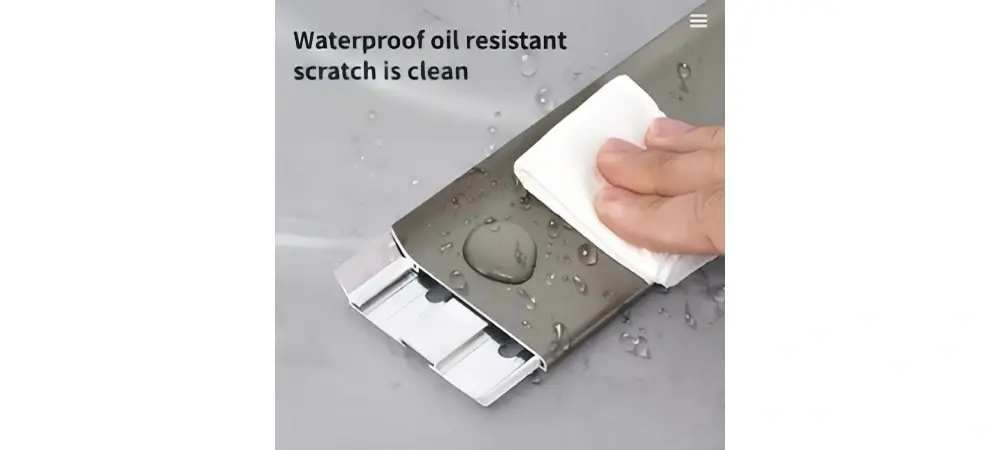
Facility managers who are always on the go like materials that look good without a lot of upkeep. The aluminum surface is very hard (Brix hardness values above 85HRB), so it won't scratch easily. A wet cloth is all that's needed for routine cleaning because the surface isn't porous, so dust doesn't build up in the tiny cracks that trap dirt on wood grain. This makes it easier to keep up, which cuts down on labor costs and keeps the polished look that makes property management teams look good.
Longevity and Total Cost Analysis
The cost of the materials at the start is only one part of the total cost over their lifetime. Aluminum profiles don't need to be replaced as often as wood or PVC profiles, which break down after 5 to 10 years of commercial use. The corrosion-resistant material keeps the building's structure and appearance in good shape for decades, so the investment is worth it when you look at how long the building will be used. When comparing different material systems, procurement teams are becoming more and more aware of this value proposition.
Aluminum Skirting Board vs Alternative Materials: Making the Right Choice
The choice of material affects how well it is installed, how much care it needs, and how it looks. Knowing how Aluminum skirting boards stack up against other choices helps people who work in buying make decisions that are based on facts and meet the needs of the project.
Aluminum vs PVC Baseboards
PVC is the most common alternative because it costs less to buy. But PVC softens at high temperatures, which makes the profile drop on walls that get a lot of sun. The material also turns yellow over time, so it needs to be replaced more often. Aluminum stays the same size over a wider range of temperatures and doesn't break down in UV light. Even tho PVC is cheaper at first, aluminum is more cost-effective over the 15 to 20 years that are common in commercial lease terms because it doesn't need to be replaced as often.
Aluminum vs Wood Baseboards
Wood moldings that look like the ones you're used to have a lot of upkeep requirements. Wood soaks up water, which helps mold grow and brings termites to areas that are prone to them. For miter joints, installation takes skilled carpentry. On the other hand, precision corner connections in aluminum systems make sure that the results are the same no matter how experienced the worker is. Because metal surfaces are antibacterial, they also meet cleanliness standards that wood can't in clean places.
Anodized vs Painted Aluminum Finishes
Surface treatment changes both how something looks and how long it lasts. The color is built into the oxide layer in anodized finishes, so they can't be scratched off. When something is painted, the color acts as a surface layer that can chip if it is hit. The anodizing process also makes it more resistant to corrosion, which makes it better for coastal areas or situations where chemicals are present. Projects that want to stay within their budget may look at painted choices where the risk of damage is low, but anodized shapes are more valuable in the long run.
Installation and Procurement Guide for Aluminum Skirting Boards
Using the right installation methods and building strong ties with suppliers are key to completing a job successfully. When procurement teams have real-world experience, they can negotiate better terms and avoid common mistakes that cause projects to take longer than planned. Aluminum skirting boards offer significant advantages when sourced through strategic partnerships.
Installation Process Overview
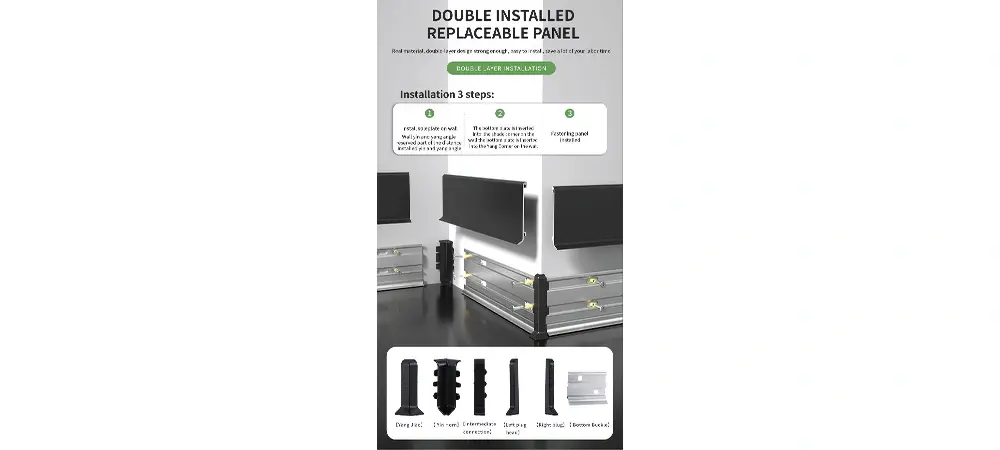
The first step in a proper fitting is to prepare the wall surface and make sure it is flat within acceptable tolerances. Profiles with adhesive backs are easier to connect to gypsum board and painted surfaces, while mechanical fastening works best for brickwork. With the inside corners, outside corners, and end caps that are part of the full accessory system, wall crossings can look professionally finished without having to be custom made. Installers like how the precision-fit parts get rid of the need to fill in gaps and do touch-up work that's common with installing wood trim.
Supplier Evaluation Criteria
Suppliers you can trust show consistent quality thru written inspection protocols. You should look for companies that use two types of quality control: in-process monitoring during extrusion and pre-shipment verification of accurate measurements. Certifications like ISO 9001:2015 show that quality is managed in a planned way, and test reports for anodizing thickness and resistance to salt spray show how well the product works. Respondent contact, especially when buying things from other countries, separates good sellers from ones who are likely to cause problems with the project.
Lead Times and Logistics Considerations
Standard profile orders usually ship within 7–10 days from well-known makers who keep common specs in stock. Lead times are extended to two to three weeks for custom color orders because of the extra time needed for anodizing setup. When suppliers offer integrated product lines like wall panels, decorative trims, and skirting boards, they make shipping and receiving easier for procurement teams that are in charge of coordinating multiple trades. The total cost of delivery is also affected by how efficiently containers are loaded. For this reason, knowledge with export packaging is an important factor in choosing a provider.
Bulk Purchasing Advantages
When you commit to a volume, you can get better terms that make the project more cost-effective. When suppliers reach certain levels of full pallets or container loads, they often lower the price per unit. In addition to price, buying relationships that have been in place for a while make sure that production schedules are prioritized during busy building seasons. Property developers who are working on multiple projects can benefit from annual framework agreements, which make sure that building specifications are the same across portfolios and make administrative tasks easier.
Choosing the Right Aluminum Skirting Board Supplier and Brand
The choice of supplier affects whether projects go smoothly or run into quality problems that need to be fixed. When procurement professionals look at possible partners, they protect their companies from disruptions that cost a lot of money when selecting an Aluminum skirting board provider.
Manufacturing Capability Assessment
The production scale shows how many big orders can be filled without lowering the quality. Manufacturers who have facilities that only make aluminum decorative profiles gain specialized knowledge that isn't available to companies that do a lot of different things. Mold libraries with more than 300 versions make customization quick and easy. Integrated production, which includes everything from metal extrusion to surface treatment, keeps quality control high throughout the whole process. The site's size, which is close to 132 mu (about 88,000 square meters), suggests that it has the infrastructure to meet tight delivery schedules.
Quality Assurance Systems
Documented inspection methods give customers faith in the quality of the products they buy every time. Verification of the raw materials proves the makeup of the aluminum alloy before it is processed. Monitoring during the process keeps an eye on the temperatures and rates of cooling that affect the structure's features. Precision calipers are used to test the accuracy of the profiles' dimensions and make sure they meet the ±0.1mm tolerances that are necessary for flush installations. Before the item is shipped, it is checked to make sure it is straight using a laser and for durability by sticking it to a cross-hatch pattern. To avoid damage during transit, export packaging goes thru a final inspection that mimics loading conditions.
Custom Manufacturing and OEM Collaboration
Suppliers who offer engineering teamwork are helpful for projects that need non-standard specs. If you need to meet specific building needs, you can get custom height profiles, colors that are only available from that brand, or mounting methods that are changed. OEM relationships let distributors sell aluminum skirting under their own brand names while using manufacturing know-how that they don't have to create themselves. These deals work best when providers are flexible and quick to respond with technical help.
Geographic and Logistical Advantages
Locations in central China are easy to get to from major ports, which cuts down on the cost and time of moving goods within China. When train and highway networks come together near Zhengzhou, they speed up the flow of raw materials and produced goods to suppliers. This location in the world means that orders can be filled faster and costs for shipping are lower, which add up to big savings over the course of construction schedules.
Conclusion
Aluminum skirting boards offer performance benefits that are in line with modern building needs, including moisture resistance, fire safety compliance, low upkeep needs, and design freedom that supports minimalist aesthetics. When purchasing managers compare these designs to wood and PVC options, they always find that the lifetime value is better, even if the original costs seem higher. The key is to work with manufacturers that have strict quality standards, offer full accessory systems, and offer quick customer service during the whole buying process. Because of stricter building rules and the need to be environmentally friendly, metal profiles are a smart choice that will serve projects well for a long time.
FAQ
What makes aluminum skirting boards better than PVC options?
When the temperature changes, Aluminum skirting boards keep their shape, but PVC profiles get soft and sag when it gets warm. The material doesn't break down in UV light, which is what makes PVC turn yellow over time. Aluminum also has a Class A1 fire rating, which means it meets stricter building codes than PVC.
Can aluminum skirting boards withstand moisture in bathroom installations?
The metal surface doesn't let any water thru, so there is no swelling or mold growth like there is with wood borders. Anodized finishes don't rust even after being exposed to humidity for a long time. This makes these designs perfect for places like bathrooms, kitchens, and basements where controlling moisture is hard.
What lead times should procurement teams expect for bulk orders?
Standard specifications usually ship within 7–10 days from when the manufacturer keeps stock. Anodizing setup takes two to three weeks for orders with custom colors. Setting up yearly framework deals with suppliers is a good way to make sure that production schedules are prioritized during busy building seasons.
Partner with ZX for Premium Aluminum Skirting Board Solutions
Zhengzhou Zhongxiu Building Materials Co., Ltd. works together with central China's best aluminum profile manufacturer to control more than 300 molds and keep all of their combined production sites ISO 9001:2015 certified. Our simple Aluminum skirting boards come with full accessory systems, including inside corners, outside corners, and end caps, in standard 2500mm lengths with 40mm, 60mm, and 80mm height options. The procurement teams like that we have documented quality control measures in place, such as testing for dimensional accuracy within ±0.1mm and anodizing that is thicker than 10μm. No matter if you need standard black, silver, or gold finishes or unique colors that match brand guidelines, our expert team is here to help you from the first question to the delivery. You can email our Aluminum skirting board supply team at info@kangdishi.com or visit zhongxiudecor.com to talk about your project needs, ask for samples, and get reasonable quotes with guarantyd delivery times of 7 to 10 days.
References
1. Smith, J. R. (2022). Architectural Metal Finishes: Performance Standards and Selection Criteria. Building Materials Press.
2. Chen, L., & Wang, H. (2021). Corrosion resistance of anodized aluminum alloys in commercial building applications. Journal of Construction Materials Science, 18(3), 245-267.
3. National Fire Protection Association. (2023). NFPA 101: Life Safety Code – Material Classifications and Requirements. NFPA Standards Council.
4. Anderson, M. K. (2021). Lifecycle cost analysis of interior finish materials in commercial construction. Facilities Management Quarterly, 34(2), 112-128.
5. International Organization for Standardization. (2020). ISO 9001:2015 Quality Management Systems – Requirements for Building Material Manufacturers. ISO Technical Committee.
6. Taylor, R., & Brooks, S. (2023). Sustainable material selection for modern commercial interiors: A comparative study. Green Building Research Journal, 11(1), 78-94.
Online Message