
Nov 3, 2026
What Is the Best Quick-Install Wall Panel for Interior Walls?
If you manage renovation projects or source building materials at scale, the answer points clearly toward modular cladding panels built with click-lock joints and zero wet-work requirements. The best quick-install wall panel combines E0-grade formaldehyde emissions, B1-grade fire resistance, and a composite core — bamboo fibre, PVC, or WPC — that installs directly over existing surfaces without base treatment. Panels from ZX (Zhengzhou Zhongxiu Building Materials Co., Ltd.) meet CE and RoHS certifications, deliver a 15–20-year service life, and cut installation time by 40% compared to traditional wall finishing methods.
Understanding Quick-Install Wall Panels for Interior Walls
What Makes These Panels Different?
Before you can do standard things to the walls, like cleaning, skim covering, priming, and painting, you need to give them at least 30 days to dry. With modular wall cladding panels, you don't have to do that step. They finish the panels at the factory, cut them to standard sizes, and get them ready to be put together on-site.
Core Material Options
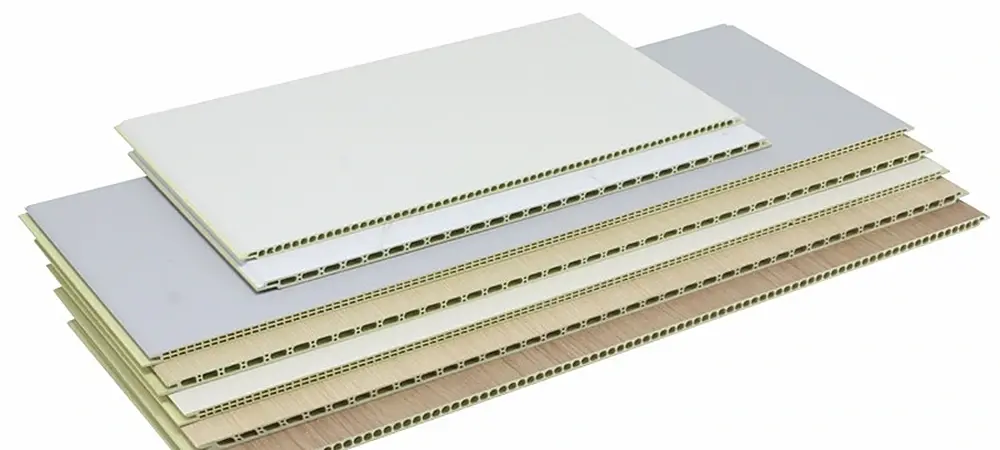
PVC, WPC (wood-plastic composite), and bamboo-fibre-reinforced polymer are the core materials that are used most often. It's the right thickness, and WPC panels don't soak up water. PVC panels that have been cleaned are lighter and work better in damp places. Composites made from bamboo fibres make them stronger and keep the amount of formaldehyde released at E0 levels, which is less than 0.05 mg/m³.
How the Click-Lock System Works
With tongue-and-groove limits of ±0.05 mm, panels can be snapped together without glue or any special tools. One worker can finish a normal room in hours. More than 90% of the finished work is now done on the plant floor thanks to this robotic interlocking system. This helps you save money on on-site labour.
Comparing Quick-Install Wall Panels with Traditional Wall Finishing
Before committing to any material, project managers need a direct performance comparison. The data below reflects independently documented industry benchmarks.
Installation Speed and Labour Cost
Conventional drywall or plaster walls require multiple trades — framers, tapers, painters — across several weeks. Click-lock panels reduce that to a single-trade installation measured in hours, while quick-install wall panels offer a faster installation option. Research published by the Construction Industry Institute shows that prefabricated wall assemblies can reduce on-site labor hours by 25–40% on renovation projects.
Durability and Long-Term Maintenance
Painted drywall chips absorb moisture and show wear within five to seven years in high-traffic areas. WPC and bamboo-fibre panels carry a Shore D hardness rating above 70, resisting dents and surface abrasion. With a documented service life of 15–20 years, replacement cycles become far less frequent, reducing total cost of ownership.
Environmental and Safety Credentials
Many procurement teams now carry ESG reporting obligations. CE and RoHS certifications confirm that panels meet European safety and environmental directives. E0 formaldehyde emission ratings align with the strictest indoor air quality standards, allowing occupancy immediately after installation — a genuine competitive advantage for hotel renovations or occupied office refits.
Types of Quick-Install Wall Panels for Interior Use
How to choose the right type of panel depends on the specific needs of the project.
PVC and WPC Composite Panels
Most people choose PVC-core panels for bathrooms, basement walls, and homes near the coast, where salt air makes mold grow faster. They are also very light and won't get wet. WPC panels look warmer and denser, so they're good for living rooms, shops, and hotel hallways. Each kind can be put down on top of a surface that is already there, so there is no need for removal trash.
Bamboo-Fiber Reinforced Panels
If it's important that the panels don't break easily, like in school hallways, hospital waiting rooms, and business kitchens, bamboo-fibre panels are better than regular PVC. Because they are between 0.8 and 1.2 g/cm³ dense, panels are easy for one person to put up and are strong enough to last longer than regular wall coverings.
Standard vs. Custom Specifications
Long panels are 2.4 m to 4 m long, and wide panels are 1.22 m wide and 6 mm to 12 mm thick. You don't have to make any changes to these measurements for most home and business projects. OEM services can make it happen if a project needs a special color, a named surface pattern, or a width that isn't the norm. Making something to order takes 10–15 days after the order is confirmed, which is enough time for planned home improvements.
How to Select the Best Quick-Install Wall Panel for Your Project?
Pick the right panel, including a quick-install wall panel, for more than just the outside finish. These are the most important things that procurement professionals should think about before they place a large order.
- Fire rating: B1-grade flame retardancy is the baseline for commercial interiors, hospitality properties, and any space subject to fire safety inspections. Confirm this with a dated test report before ordering.
- Formaldehyde emission class: E0-level panels (< 0.05 mg/m³) allow immediate occupancy, which is a direct selling point for renovation companies marketing "move-in ready" projects.
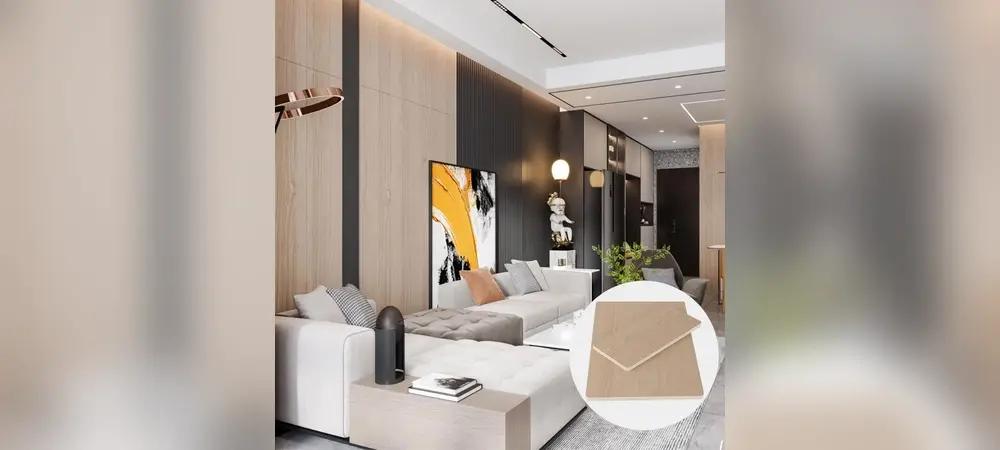
- Surface finish variety: A supplier offering 200+ textures — wood grain, stone grain, solid colors — lets you cover residential, retail, and hospitality projects from a single source, reducing supplier management overhead.
- Batch color consistency: Request production batch documentation. Color variance across deliveries creates visible mismatches on large wall surfaces and damages your reputation with end clients.
- Delivery timeline: For project-driven purchasing, standard stock should ship within 7–10 days. Verify that your supplier maintains inventory on high-demand finishes rather than building everything to order.
They are both valid in the same way. When it gets to the job site, a panel that passes fire tests but has different runs of color is a different problem. You should look at companies in all five of these areas before you sign a supply deal.
Installation and Maintenance of Quick-Install Wall Panels
Surface Preparation
The wall that is already there only needs to be clean, dry, and in good shape. To make the substrate's surface level, you should first put in a light-gauge furring strip frame. The panel joints will show the real trouble if you don't do this step.
Step-by-Step Installation Process
First, find a straight line going up and down. Make sure the first panel is level and locked in place before moving on to the next one. A fine-tooth saw or a score-and-snap tool can be used to cut. Both will give you smooth lines with little dust. Use trim shapes that match to finish all the edges that people will see. The catalogue for edge strips, corner beads, and joining strips is the same, and all of them are made to fit flush with the panel's thickness.
Routine Maintenance and Repair
Use a damp cloth and a cleaner that doesn't have any pH to clean the panels. Don't use rough pads on the layer that looks nice; they will damage it. If an impact damages a panel, it is possible to switch out individual panels without affecting sections next to them. For places with a lot of foot traffic, facility managers like this system because it can be changed in modules. This is why you should bring a small amount of the finish you want to use to the job site.
Conclusion
If you run a business, do repairs, or are on a tight schedule, modular cladding panels with WPC, PVC, or bamboo-fibre cores, including quick-install wall panels, are a clear step up from the old way of finishing walls. It can be used for both home and business projects because it doesn't need any base treatment to be put down, has E0 emissions, B1 fire ratings, and lasts for 15 to 20 years. When you buy a lot, it's best to deal with sellers who have verified certifications, carry popular finishes, and can make works under your own name. These things show if a supply link lasts through more than one project run.
FAQ
How long do these panels actually last?
Under standard indoor conditions with normal humidity and controlled UV exposure, WPC and bamboo-fibre composite panels are designed for a 15–20-year service life. Impact-resistant grades used in high-traffic zones maintain structural integrity well beyond that range, provided panels are not exposed to prolonged direct sunlight or extreme temperature cycling.
Can I install them over existing ceramic tile?
Yes, provided the tile is firmly bonded to the substrate with no hollow sections. Loose or cracked tiles should be removed first. For surfaces with a height variance greater than 5 mm, a furring strip frame corrects the unevenness before panel installation begins.
Are these panels truly safe for immediate occupancy?
E0-grade panels emit formaldehyde below 0.05 mg/m³ — a level the World Health Organization classifies as presenting no detectable health risk under normal ventilation. Zero VOC surface coatings mean no paint off-gassing. Occupants can return to a renovated space the same day installation completes.
Do panels work in bathrooms and damp basements?
Yes. The non-porous composite core prevents capillary moisture absorption, which is the root cause of mould growth in traditional drywall. PVC-core panels in particular are fully waterproof and perform reliably in below-grade installations and coastal environments with elevated salt content.
Partner with ZX for Your Next Quick-Install Wall Panel Project
ZX (Zhengzhou Zhongxiu Building Materials Co., Ltd.) sells factory-direct quick-install wall panels to business owners, wholesalers, and people who do home renovations in Asia, the Middle East, and other places. More than 300 moulds and more than 200 surface finishes let us make wall panels that are easy to put up. It usually takes 7–10 days for standard shipping, and we offer full OEM support for projects with your own name. To get a sample pack or a bulk price, email our team at info@kangdishi.com or go to zhongxiudecor.com right now.
References
1. Construction Industry Institute. Prefabrication and Modularisation: Increasing Productivity in the Construction Industry. 2012.
2. World Health Organization. WHO Guidelines for Indoor Air Quality: Selected Pollutants. 2010.
3. European Committee for Standardization. EN 13501-1: Fire Classification of Construction Products and Building Elements. 2018.
4. American Society for Testing and Materials. ASTM E84: Standard Test Method for Surface Burning Characteristics of Building Materials. 2023.
5. Grand View Research. Wall Panels Market Size, Share & Trends Analysis Report. 2023.
6. International Organization for Standardization. ISO 9001:2015 Quality Management Systems — Requirements. 2015.
Online Message