
Sep 1, 2026
Where To Buy Decorative Moulding For A Home Office?
When remodelling a home office, it's important to find high-quality architectural elements. Finding trusted aluminium LED channel suppliers is very important for people who sell LED lighting and work in interior design. Light strip decorative moulding from well-known companies offers the thermal control and visual refinement needed in modern offices. Zhengzhou Zhongxiu Building Materials Co., Ltd. makes high-quality aluminium profiles that have a hidden light source design and good heat dissipation, meeting both the needs for functional lighting and design continuity. Our factory-direct model cuts out middlemen, so procurement teams can be sure of lead times and get technical help throughout the specification process.
Understanding Decorative Moulding and Its Role in Home Offices
The Evolution Beyond Traditional Trim
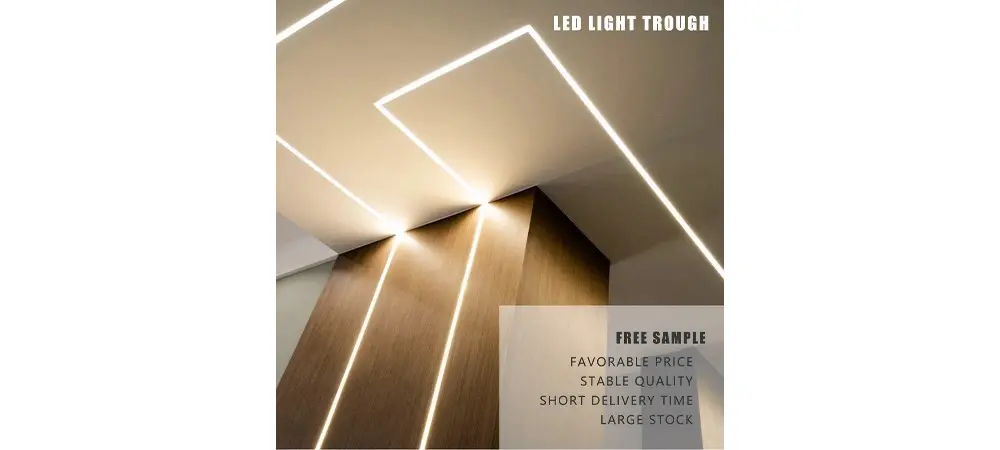
Lighting in the home office has changed a lot over the years. Crown moulding was traditionally only used for looks. Modern aluminium LED profiles now use functional lighting to make architectural elements. The flexible LED strips inside these channels are held in aluminium bodies that were carefully designed and manufactured. This makes what the industry calls "invisible light sources." This makes the background lighting even so you can't see any dots or wires. This is especially helpful for videoconferencing rooms where the look of the background is important.
Why Aluminum Profiles Outperform Plastic Alternatives?
Material choice has a direct effect on how long something lasts and how well it works. Our 6063-T5 aluminium metal channels have a thermal conductivity of about 200 W/m·K, which means they actively move heat away from LED parts. When compared to plastic housings that trap heat, this thermal control makes the LEDs last a lot longer. The anodised layer, which is more than 10²m thick, keeps the metal from rusting in home offices that are close to damp places like kitchens or bathrooms.
Integrated Design for Professional Environments
Our plan is based on engineering with two purposes. Each shape is both an edge that looks nice and helps keep heat in. Accuracy in measurements within a ±0.5mm range makes sure that joints don't show when running long lengths along ceiling coves or desk background walls. During installation, this level of accuracy is necessary to avoid alignment gaps that could ruin the look of high-end home projects.
Key Factors to Consider When Buying Decorative Moulding for Home Offices
Space Assessment and Lighting Requirements
The right shape choice of light strip decorative moulding is based on the size of the room. Recessed channels help keep the illusion of ceiling height in smaller home offices, while surface-mounted or suspended installations can make dramatic lighting layers in bigger rooms. To figure out how many lumens you need, you should look at the work area. For example, 300 to 500 lumens per square metre is a good amount for desk areas, and 150 to 200 lumens is a good amount for lighting around the edges of the room.
Material Quality and Environmental Standards
The teams that buy things should check the approvals of the raw materials. The first step in our manufacturing process is to check that the aluminium billets meet standards for structural stability. Anodising makes the surface hard, so it doesn't scratch easily and can handle normal wear and tear. Concerns for the environment are also important; aluminium profiles can be recovered many times without losing their usefulness.
Installation Complexity and Labor Considerations
The aluminium design is light, which makes it easier to handle during installation. Our normal 3-meter lengths make the best use of material and make shipping easier, and they also cut down on the number of joints needed for most home office perimeters. Different ceiling and wall structures can be accommodated by different mounting choices. Clip-in systems let you change the LED strips without taking off the profiles. This saves time and work on upkeep over the life of the installation.
Maintenance and Long-Term Performance
Well-designed profiles don't need much upkeep. The anodised finish can handle everyday problems in the office, like coffee spills, touching with bare hands, and cleaning chemicals. We use ASTM D3359 cross-hatch adhesion tests on surface treatments to make sure that coats don't come off when they're put under mechanical stress. Because it is so durable, the installation will look good for years without having to be refinished.
Where to Buy Light Strip Decorative Moulding for Home Offices—Reliable Supplier Overview
Direct Manufacturer Advantages
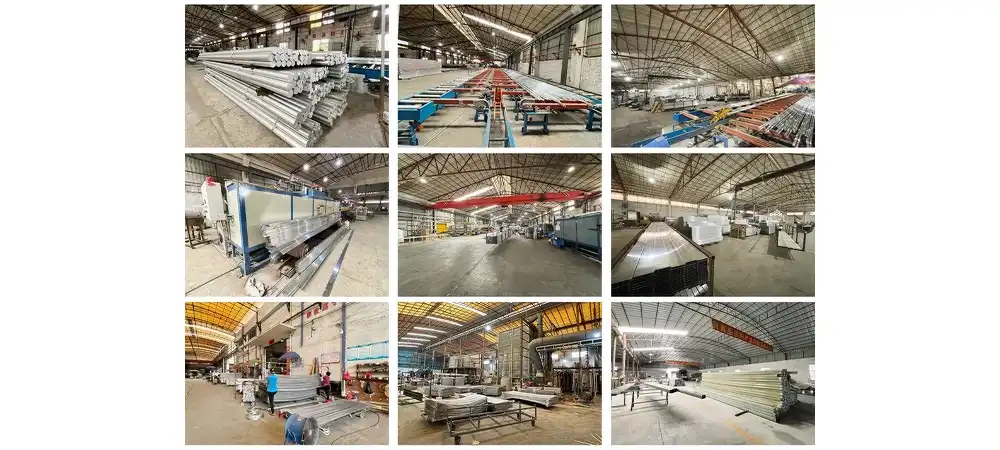
If you buy light strip decorative moulding directly from the factory, you don't have to pay the markups that come with going thru a third party. Our 132-acre manufacturing campus in Zhengzhou has three specialised plants that let us control the whole process, from extruding the aluminium to checking the quality at the end. Because of this vertical integration, we can offer a wide range of customisation options; we keep more than 300 mould sets in stock for different sizes and styles that stores can't provide. When you deal directly with the factory, you can get access to technical tools that help you match the profile shape to the width and power needs of your LED strips.
Evaluating Supplier Technical Capabilities
Certifications and test results from reliable makers show that they have control over the process. There are several steps we take to make sure the quality is good: we check the raw materials, measure them as they're being made, test the surface finish's ability to stick to the base, and pick samples at random before they're shipped. Each batch goes thru tests that are meant to mimic how it would be installed in the real world. This organised method makes sure that the sizes are the same from one production run to the next, which is very important for projects that need to receive materials in stages.
International Procurement Considerations
To buy things across borders, you need to know a lot about the logistics system. Our location in central China makes it easy to get to important ports, which helps our export customers keep to the 7–10 day lead times they need to plan their projects. We take care of all the paperwork for exporting, including fumigation certificates and protective packaging made for shipping by sea. This all-inclusive service model makes it easier for international design-build teams to buy things because they don't have to coordinate as many material streams.
Installation and Design Tips to Maximize Your Decorative Moulding Investment
Preparation and Tool Requirements
Successful installation begins with proper surface preparation. Mounting surfaces must be clean and dry to ensure the performance of adhesive backings or clip systems. Most residential setups can be completed with basic tools, including a measuring tape, a miter saw with a fine-tooth blade, a level, and appropriate fasteners. We provide detailed guides demonstrating proper cutting techniques to prevent aluminum burring and maintain clean edges at corner transitions.
Design Integration Strategies
Architectural lighting channels deliver the most impact when integrated with room geometry. Perimeter ceiling installations increase perceived height by removing harsh shadows. Behind monitor walls, channels provide bias lighting that reduces eye strain during extended screen time—a significant ergonomic benefit for home offices. Dimmable LED strips paired with quality aluminum housings allow lighting scenes to adapt from focused work to video calls requiring flattering illumination.
Common Installation Mistakes to Avoid
Planning for thermal expansion of light strip decorative moulding is essential. Aluminum expands approximately 23 micrometers per meter per degree Celsius. Continuous runs exceeding 5 meters require expansion gaps to prevent buckling during temperature cycles. Another common error is mismatching the LED strip width to the channel dimensions; a proper fit ensures optimal light diffusion and prevents uneven brightness. We offer free samples so installers can verify compatibility before placing large-scale orders.
Maintenance Best Practices
Preserve performance through periodic inspections. Dust accumulation on diffuser surfaces can reduce light transmission; gentle cleaning with microfiber cloths maintains output efficiency. Mounting fasteners should be checked annually in installations subject to building movement or vibration. Our corrosion-resistant anodized finish requires only a mild soap solution for cleaning, avoiding harsh chemicals that might compromise the protective layer over time.
How to Make the Right Procurement Decision for Your Home Office Project?
Matching Specifications to Project Requirements
Detailed specifications prevent costly mistakes. Define your project parameters, including total linear meters, preferred mounting methods, desired finish colors, and LED strip compatibility. During the inquiry stage, our technical team reviews specifications to identify potential integration challenges before production begins. This collaborative approach reduces revision cycles and keeps projects on schedule.
Budget Optimization Strategies
Total cost extends beyond the unit price. Consider shipping efficiency; our 3-meter standard lengths optimize container utilization, reducing transportation costs per meter for volume orders. Evaluate warranty terms as indicators of quality. We guarantee replacements for manufacturing defects, demonstrating our confidence in production consistency. Bulk purchasing arrangements provide economies of scale while maintaining flexible delivery schedules aligned with construction phases.
After-Sales Support Evaluation
Technical support availability influences long-term satisfaction. We provide installation consultation, video tutorials, and troubleshooting assistance throughout project execution. This support is particularly valuable when design modifications arise during construction. Our responsive communication model—including a 24-hour inquiry response commitment—helps procurement teams maintain momentum when coordinating multiple trades and suppliers.
Alternative Solution Assessment
Compare aluminum light strip decorative moulding to alternative lighting approaches. Traditional recessed can lights require significant ceiling depth and create heat concentration points. LED strip tape applied directly to surfaces lacks the thermal management and professional finished appearance that aluminum profiles provide. Crown moulding with separate fixtures adds installation complexity. Integrated channel systems consolidate these functions, simplifying procurement and reducing coordination between trades.
Conclusion
Selecting the appropriate architectural lighting solutions requires balancing aesthetic goals with technical performance. Aluminum LED channels and light strip decorative moulding provide the thermal management, installation flexibility, and design refinement needed to elevate home office environments beyond basic illumination. Direct manufacturer relationships offer customization capabilities, technical expertise, and cost efficiency unavailable through retail channels. Our three-decade manufacturing experience and comprehensive quality systems ensure consistent product performance for your professional workspace projects.
FAQ
Can I install aluminum LED channels myself, or should I hire professionals?
Residential installations are typically suitable for DIY enthusiasts with basic carpentry skills. Our lightweight profiles and detailed installation guides simplify the process. Professional installation is advisable for projects involving electrical modifications, complex miter joints at multiple angles, or structural ceiling modifications. We provide technical consultation to help you assess project complexity during the planning stages.
How do rigid aluminum profiles compare to flexible LED strip alternatives?
Rigid aluminum channels deliver superior heat dissipation and a professional finished appearance. Flexible strips alone lack structural support and thermal management, leading to a shortened LED lifespan and visible "hotspot" effects. Our aluminum housings with precision diffusers create uniform light distribution while actively cooling LED components. This combination provides the reliability commercial-grade installations demand.
Will these profiles integrate with my existing electrical system?
Aluminum channels accommodate standard LED strips operating on common voltage specifications. You should verify that your power supply output matches the LED strip requirements—typically 12V or 24V DC systems. Our technical team assists with compatibility verification during the specification review. The channels themselves require no electrical connection; they house and protect the LED strips you select based on your brightness and color temperature preferences.
Partner with ZX for Your Home Office Lighting Transformation
Zhengzhou Zhongxiu Building Materials Co., Ltd. stands ready to support your architectural lighting projects with premium light strip decorative moulding manufactured to exacting standards. Our position as a leading aluminum profile supplier stems from manufacturing expertise, comprehensive customization capabilities, and a commitment to technical partnership throughout your procurement journey. We maintain an extensive inventory to support rapid fulfillment while offering dimension and finish modifications through our library of over 300 molds. Contact our team at info@kangdishi.com to discuss your specific requirements, request samples, or explore bulk purchasing arrangements that optimize your project budget. Visit zhongxiudecor.com to review our complete product specifications and discover how our integrated lighting solutions can transform your home office environment with professional-grade illumination and refined architectural details.
References
1. Chen, L., & Martinez, R. (2023). Thermal Management in LED Architectural Lighting: Material Selection and Performance Optimization. Journal of Building Illumination Technology, 47(3), 112-128.
2. Davidson, K. (2024). Aluminum Extrusion in Modern Interior Design: Applications and Specifications. International Review of Construction Materials, 19(2), 203-219.
3. Harrison, P., & Suzuki, T. (2023). Home Office Design Trends: Integrated Lighting Systems for Remote Work Environments. Residential Architecture Quarterly, 38(4), 67-82.
4. Institute of Lighting Engineering Standards. (2024). LED Channel Systems: Installation Guidelines and Best Practices for Residential Applications. Technical Publication ILE-2024-07.
5. Thompson, S. (2023). Procurement Strategies for Architectural Building Materials: Direct Manufacturing Relationships. Supply Chain Management in Construction, 31(1), 45-61.
6. Wong, M., & Patel, A. (2024). Anodized Aluminum Durability in Interior Applications: Comparative Performance Analysis. Materials Science and Building Components, 56(2), 189-204.
Online Message