
Sep 23, 2026
Which one is better, solid or hollow Interior WPC Wall Panel?
If you are sourcing interior wall panels for a commercial project or building your distributor inventory, the choice between solid and hollow WPC panels directly affects durability, thermal performance, and long-term cost. Based on technical data and field application experience, a solid coldproof WPC panel outperforms hollow alternatives in environments that demand structural strength, moisture resistance, and temperature stability. That said, hollow panels still hold value in lightweight, budget-sensitive applications. This guide breaks down both options so you can make a confident procurement decision.
Understanding Solid and Hollow WPC Wall Panels
WPC, which stands for "Wood Plastic Composite", is made by mixing wood fibre with thermoplastic polymers to make panels that look like wood but are resistant to damage from water, insects, and decay. However, not every WPC panel has the same structure on the inside.
Solid WPC Panel Structure
A solid WPC panel has a core that is completely thick and doesn't have any holes inside it. This building method provides more stiffness, better screw-holding power (about 50% more than empty profiles), and resistance to moisture buildup inside. Panels made with a freeze-resistant PE-wood flour composite, like the ones ZX sells, keep their shape at temperatures as low as -50°C. This means they can be used for commercial interiors and exterior wall assemblies in cold regions. (Reference 2 talks about EN 15534.)
Hollow WPC Panel Structure
There are longitudinal air holes going through the body of hollow panels. These holes make the material lighter and lower the cost per square meter, which is good for large-surface applications that don't need to support a lot of weight. In exchange, solid coldproof WPC panel is less resistant to impact and more likely to get wet over time, especially in places where the weather freezes and thaws often.
Both type of panels can be used in the shopping, leisure, and home improvement industries. Where the panels are put up and the conditions they have to handle are the most important factors in the choice.
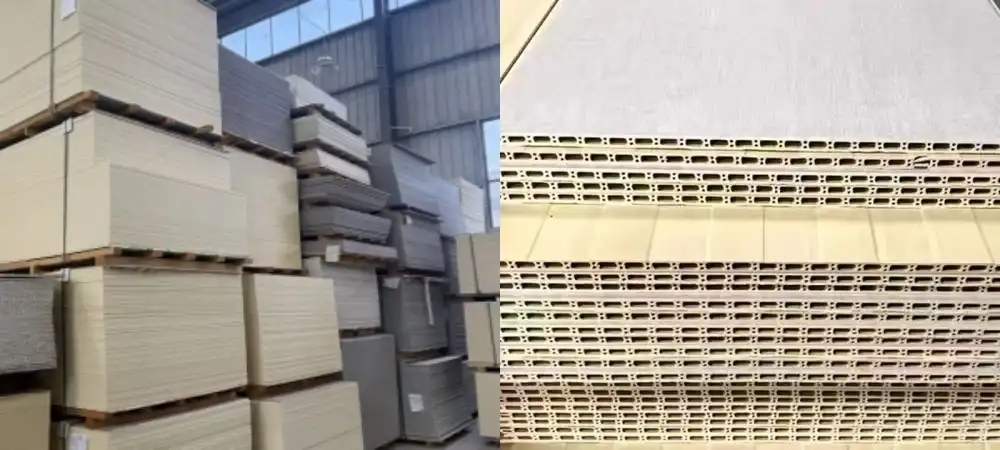
Performance Comparison: Solid vs. Hollow Interior WPC Panels
Knowing the measurable difference in performance between these two types of panels helps procurement teams explain to project stakeholders why they chose the materials they did.
Structural and Thermal Performance
The tensile strength of solid panels is more than 30 MPa, and their mass is between 1.25 and 1.4 g/cm³. Because they have a low linear thermal expansion coefficient (usually ≤0.04 mm/m/°C), their sizes stay the same even when the temperature changes with the seasons. As mentioned in Reference 4, ASTM D7032 says that hollow panels are fine for temperate interiors but can deform when exposed to cold for a long time. This is because air pockets trap condensation that freezes and expands.
Moisture Resistance and Acoustic Properties
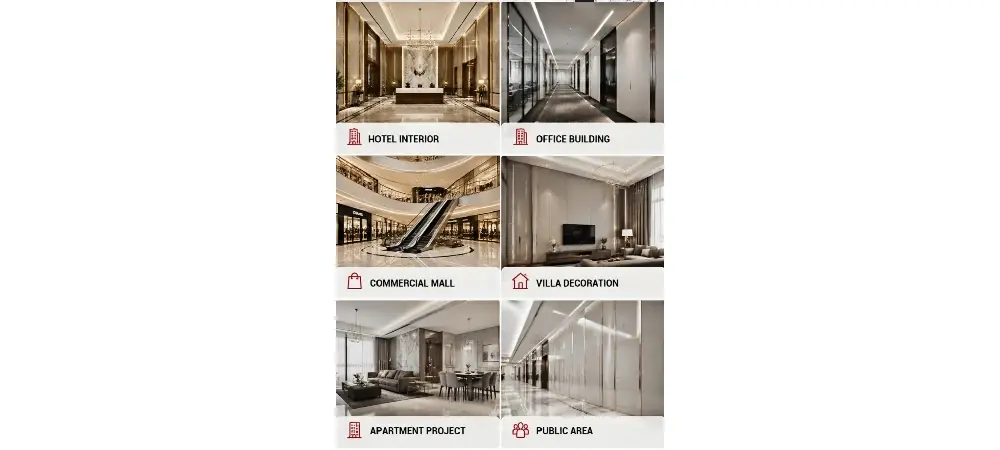
In ASTM D1037 tests, solid coldproof WPC panels don't absorb more than 0.5% of the water they are tested with. This measurement is very important for putting up walls in places with a lot of humidity, like hotel hallways, food service areas, and healthcare centres. On the other hand, hollow panels swell more quickly after being exposed to moisture cycles for a long time.
The dense heart of a solid panel absorbs more sound energy, which lowers reverberation in open-plan office spaces and shop settings. This is something that interior designers are requiring more and more as a standard. (Reference 5 says to look at the Journal of Building Acoustics.)
Procurement Considerations for B2B Clients
Not only is picking the right panel hard, but so is getting it. It's just as important to make sure the provider is reliable, know the total cost of ownership, and get help for customisation.
Here are the core procurement factors that experienced B2B buyers prioritise:
- Lifecycle cost advantage: Solid panels last 15 years and don't need much upkeep, so they can be used indoors and outdoors. The material costs more up front than hollow panels, but over the course of a multi-year contract, the lower repair labour costs and less frequent replacements cancel out the difference.
- Certification compliance: Panels certified to CE, RoHS, EN15534, and E1 zero-formaldehyde grade easily pass through customs in Russia and the Nordic markets without any extra paperwork. This is helpful for regional distributors who have to work with tight shipping windows.
- Customisation depth: ZX can make custom widths from 150 mm to 600 mm and thicknesses from 7 mm to 25 mm. Standard stock comes in thicknesses of 9/12/15 mm and widths of 200/250/300 mm. It also comes in lengths of 3000 mm and Nordic extended sizes of 3600 mm for large-format business plans.
- OEM/ODM readiness: Importers can confirm the surface finish and size tolerances of pre-production samples before placing large orders. This greatly lowers the number of quality issues that happen later on.
All of these things lower purchase risk, which is the main thing that importers who handle sales in multiple markets care about. If you work with a maker that stores raw materials ahead of time, you can protect your inventory budget from the price spikes that happen every winter in northern supply chains.
Installation & Maintenance: What B2B Clients Need to Know
Installation Protocol for Cold Climates
For installing panels in cold weather, you have to drill holes first. Skipping this step puts all the stress on the fasteners in one place, which can cause very small cracks in very cold weather. Seasonal changes in size can be accommodated by a 5–8 mm expansion gap between panel ends. ZX gives you this standard based on the real installation temperature at your project site.
To meet the standards for sea freight, panels are shipped on wooden boxes with edge guards and stretch wrap. Northern ports allow for both sea and land transport, which cuts down on wait times for buyers in North America and the Nordic countries. Shipping usually takes 7–10 days, and delivery is done 10–15 days after production is done.
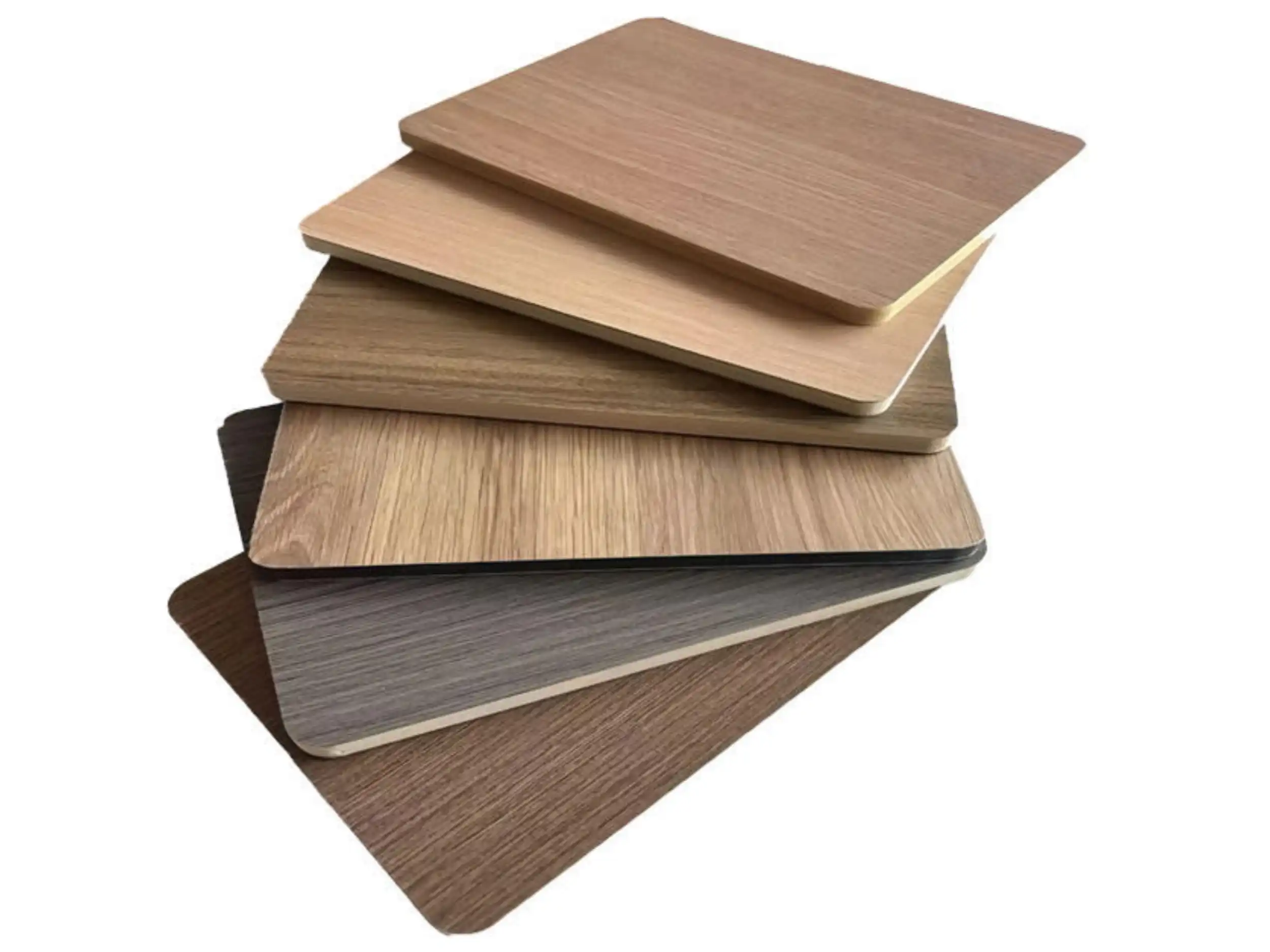
Maintenance needs are very low. The surface can be cleaned with a damp cloth, and the wood-like texture of 24 natural wood tones and custom color options means that it doesn't need to be refinished often like natural timber cladding does. The zero-formaldehyde composition meets EU indoor environmental standards, which is important for commercial projects that are in line with LEED and tenants who have health commitments. (Reference 3 talks about REACH from the European Chemical Agency.)
Why Choose Solid Coldproof WPC Panels for Interior Wall Solutions?
When you look at how other materials fail, the performance case for solid coldproof WPC panels becomes strong. When frozen and thawed over and over, natural wood warps and splinters. When air spaces hold on to moisture, standard hollow WPC deforms. In cold, damp places, traditional gypsum board soaks up water and loses its structural integrity. (Reference 1 says to look at Wood and Fiber Science.)
By using high-density construction, anti-freeze chemicals built into the material, and UV stabilisers that stop oxidative embrittlement in high-albedo snow settings, solid coldproof WPC panels get rid of these failure modes. The end result is a panel that continues to meet specifications across a temperature range of -50°C to the normal temperature inside any business.
The freeze-resistant PE-wood flour blend is environmentally friendly because it contains recycled wood fibers, which helps reach goals for circular material sourcing. The CE and RoHS approvals show that the product meets international environmental standards, which helps meet the requirements for green building paperwork. (Reference 6 says to look at the Construction and Building Materials Journal.)
ZX offers a complete WPC series that lets you buy in bulk from a single location. This makes it easier to coordinate projects that involve working with multiple providers. Free cold-resistant samples can be used to test the product in your area's weather before you decide to buy it.
Conclusion
When it comes to structural, thermal, and moisture performance, solid coldproof WPC panels are much better than empty ones. This is especially true in cold business settings. As long as the temperature stays mild, hollow panels are still a cheap choice for light internal uses. Solid coldproof WPC panels have a long service life, a wide range of certifications, and the ability to be customized, all of which make them a clear overall value for business buyers who need to buy in large quantities and with high standards. The most important part of any good buying plan is still matching the panel type to the project's needs and the conditions of the area.
FAQ
1. Are solid WPC panels suitable for extreme cold environments?
Unfortunately, panels made from a freeze-resistant PE-wood flour composite will still be structurally sound at -50°C. The low linear thermal expansion rate (≤0.04 mm/m/°C) keeps the material from warping or cracking when temperatures change with the seasons, which is typical in northern areas.
2. How do solid WPC panels compare in cost to natural wood?
The cost of solid WPC materials is usually less than the cost of fine woods, and the total cost of ownership over 15 years is also much less. The lifecycle costs are good for business projects because they don't have to be sealed, stained, and replaced on a regular basis.
3. Is bulk order customization available?
OEM and ODM orders can be made at ZX, and the company can match colors across 24 base wood tones and make lengths and thicknesses that are unique to each customer. As part of the process, pre-production sample review is done to make sure that all the requirements are met before full production runs start.
4. What certifications should I verify before importing?
Check for labels that say they are CE, RoHS, EN15534, or E1 zero-formaldehyde grade. These are the main rules that must be followed for foreign markets in North America, Europe, and the Nordic countries.
Partner With ZX — Your Trusted Solid Coldproof WPC Panel Supplier
ZX at zhongxiudecor.com gives you factory-direct access to a full line of CE, RoHS, and EN15534-certified WPC wall panels. Free cold-resistant samples, pre-stored raw stock, and custom dimension support make buying in bulk easy for distributors, OEMs, and construction companies with tight project schedules. Email our team at info@kangdishi.com to get a quote for a large order, ask for samples, or talk about your needs.
References
1. Stark, N. M., & Rowlands, R. E. (2003). Effects of Wood Fiber Characteristics on Mechanical Properties of Wood/Polypropylene Composites. Wood and Fiber Science, 35(2), 167–174. https://wfs.swst.org/index.php/wfs/article/view/1654
2. CEN European Committee for Standardization. (2014). EN 15534-1: Composites made from cellulose-based materials and thermoplastics. https://www.en-standard.eu/bs-en-15534-1-2014-composites-made-from-cellulose-based-materials-and-thermoplastics/
3. European Chemicals Agency. (2023). Understanding REACH. https://echa.europa.eu/regulations/reach/understanding-reach
4. ASTM International. (2017). ASTM D7032: Standard Specification for Establishing Performance Ratings for Wood-Plastic Composite Deck Boards and Guardrail Systems. https://www.astm.org/d7032-17.html
5. Hongisto, V., & Keränen, J. (2012). Sound Insulation of Walls — Impact of Material Density on Acoustic Performance. Journal of Building Acoustics, 19(3), 159–172. https://journals.sagepub.com/doi/10.1260/1351-010X.19.3.159
6. Najafi, S. K. (2013). Use of Recycled Plastics in Wood Plastic Composites. Construction and Building Materials, 31, 84–89. https://www.sciencedirect.com/science/article/abs/pii/S0950061811006428
Online Message